If you’re a runner who enjoys the occasional drink, you may think that a glass of wine or a beer won’t make a significant impact on your running performance. However, the truth is that even moderate alcohol consumption can have hidden and detrimental effects on your body, particularly when it comes to your athletic pursuits involving alcohol and running.
From impairing your ability to recover properly to throwing off your hydration levels and nutrient intake, the impact of alcohol on your running performance is far more significant than you might realize. In this post, we’ll take a closer look at how alcohol affects your running performance and what you can do to mitigate its impact.
1. The Surprising Ways Alcohol Impacts Your Running Performance
The surprising ways that alcohol can impact a runner’s performance may not be immediately obvious. For example, alcohol impairs the body’s ability to absorb nutrients, which can negatively affect recovery after a workout. Alcohol also disrupts sleep quality and can interfere with the body’s natural circadian rhythms, leading to feelings of fatigue and sluggishness during runs.
Additionally, alcohol can cause dehydration, which is a significant concern for runners who need to maintain proper hydration levels for optimal performance. Other lesser-known impacts of alcohol on running performance can include:
Decreases lung function and reduces oxygen supply to the muscles, thereby limiting endurance levels.
Running Injuries – Impairs balance and coordination, leading to an increased risk of injury during runs.
Alcohol consumption can decrease the VO2 max rate by impairing oxygen transport and utilization, causing dehydration, and interfering with energy metabolism.
Decrease in endurance levels, due to its negative effects on the body’s ability to produce energy and maintain hydration.
Weight gain – Alcohol causes weight gain in runners due to its high caloric content and potential disruption of metabolism.
Lower back pain – Alcohol consumption can lead to dehydration, inflammation, and muscle tension, which are all factors that can contribute to lower back pain. Additionally, alcohol can impair communication between the brain and muscles, which can lead to poor posture and back pain.
2. The Truth About Alcohol and Your Running Goals
Drinking alcohol can significantly affect your athletic performance and overall health when it comes to running goals. Consuming alcohol can interfere with the body’s ability to absorb nutrients, disrupt sleep quality, cause dehydration, reduce lung function, impair balance and coordination, and lead to feelings of fatigue and sluggishness during runs.
Regular drinking can also have long-term health consequences, such as liver damage and an increased risk of certain types of cancer. However, by understanding the effects of alcohol on the body and making informed choices about drinking habits, runners can minimize the impact of alcohol on their running goals and overall health.
The 2006 article titled “The effect of alcohol on athletic performance” concludes that alcohol consumption can harm athletic performance, particularly in endurance, strength, and reaction time, as well as impair cognitive and psychomotor skills while increasing the risk of dehydration and injury. It is recommended that athletes avoid drinking before and during exercise, and if they do, it should be done in moderation with proper rehydration.
It’s important to strike a healthy balance between alcohol consumption and running goals, ensuring that alcohol doesn’t derail your progress toward your fitness objectives.
3. The Effects of Alcohol on Your Mental State
Alcohol can have significant effects on your mental state, which can negatively impact your running performance. Here are some of the key ways alcohol affects your mental state as a runner:
Increased anxiety and depression: While alcohol may initially make you feel more relaxed, it can actually increase feelings of anxiety and depression over time. These negative emotions can impact your motivation to run and your overall mental well-being.
Reduced reaction time: Alcohol can slow down your reaction time, which can be dangerous during a run or race where quick reflexes are necessary to avoid obstacles or hazards.
Impaired decision-making: Alcohol can impair your judgment and decision-making ability, which can lead to poor choices during a run or race.
Impaired memory and concentration: Alcohol can impair cognitive function, including memory and concentration, which can increase the risk of running injuries and negatively impact overall performance.
Disrupted sleep: Alcohol consumption can interfere with your sleep quality, leaving you feeling tired and unfocused during your runs.
“Running is 80 percent mental”
Joan Benoit Samuelson, the first-ever women’s Olympic marathon champion
It’s important for runners to be mindful of these potential effects and to make responsible choices when it comes to alcohol consumption. By limiting your alcohol intake and prioritizing your mental and physical health, you can optimize your running performance and overall well-being.
4. How Does Hangover Affect Your Running Performance?
Running with a hangover can have a significant impact on your running performance, due to the various ways in which hangovers affect your body. Some of the common effects of a hangover that can impact your running performance include:
Dehydration: Alcohol is a diuretic, which means it causes your body to lose fluids rapidly. This can lead to dehydration, which can impair your physical and cognitive performance while running.
Muscle Weakness and Fatigue: Hangovers can cause muscle weakness and fatigue, making it more difficult to maintain your running pace and form.
Headaches and Nausea: Hangovers can cause headaches, nausea, and other unpleasant symptoms that can make running uncomfortable and difficult.
Cognitive Impairment: Hangovers can also cause cognitive impairment, such as difficulty concentrating and memory problems, which can impact your ability to maintain focus during your run.
It’s important to listen to your body and avoid pushing yourself too hard when running with a hangover. Drinking plenty of water and replenishing your electrolytes can also help alleviate some of the negative effects of a hangover on your running performance.
5. How Alcohol Consumption Affects Your Recovery Process
Alcohol consumption can significantly impair your recovery process after exercise. Alcohol is a diuretic, which can lead to dehydration and electrolyte imbalances, hindering muscle recovery. Moreover, alcohol can interfere with muscle protein synthesis, which is essential for repairing and building muscle tissue.
Additionally, alcohol consumption can disrupt sleep quality, which can negatively impact recovery. Overall, excessive alcohol consumption can impede the body’s ability to repair and recover from exercise, leading to prolonged muscle soreness and reduced performance.
6. Alcohol and Running: Finding Balance for Optimal Performance
Alcohol consumption and running performance are not mutually exclusive, but finding the right balance is crucial. Moderation is key when it comes to alcohol consumption, as excessive drinking can have a significant impact on athletic performance and overall health.
While alcohol consumption can lead to dehydration, electrolyte imbalances, and reduced muscle recovery, moderate alcohol consumption may have some potential benefits for runners. For example, moderate alcohol consumption has been associated with increased levels of high-density lipoprotein (HDL) cholesterol, which can improve cardiovascular health. Additionally, moderate alcohol consumption can help to reduce stress and anxiety, which can be beneficial for runners.
To find the right balance, it’s important to understand how alcohol affects your body and your running performance. Drinking alcohol can impair cognitive function, coordination, and reaction time, which can increase the risk of injury during running. Moreover, alcohol can interfere with energy metabolism, leading to reduced endurance and slower recovery time.
Moderation Is The Key Word
If you choose to drink alcohol, it’s important to do so in moderation and avoid excessive drinking. For runners, it’s best to avoid alcohol consumption before a run or a race, as this can impair performance and increase the risk of injury. Additionally, it’s important to stay hydrated before and after drinking alcohol and to replenish electrolytes lost during alcohol consumption.
Ultimately, finding the right balance between alcohol consumption and running performance is a personal decision that should be based on individual needs and goals. By understanding how alcohol affects your body and taking steps to mitigate its negative impact, you can find a healthy balance that allows you to enjoy both running and moderate alcohol consumption.
The CDC’s “Dietary Guidelines for Alcohol” recommend that men limit their alcohol intake to no more than 2 drinks per day, and women limit their intake to no more than 1 drink per day. The standard drink sizes are:
7. Taking Control: Tips for Managing Alcohol’s Impact on Your Running Journey
Here are some tips for taking control of alcohol’s impact on your running performance and staying on track toward your goals:
Set limits on alcohol consumption and stick to them.
Hydrate properly before and after drinking alcohol.
Choose lower alcohol content drinks or non-alcoholic options.
Avoid drinking the night before a planned long run or race.
Be aware of how alcohol affects your body and adjust your training accordingly.
Plan ahead and schedule runs for when you know you won’t be drinking.
Seek support from friends or a running group to stay accountable in managing alcohol consumption.
➤ Alcohol and Running Frequently Asked Questions
Is it OK to drink beer after a run?
Drinking beer after a run can be okay in moderation, as it contains carbohydrates and can help with muscle refueling and rehydration. However, it’s important to be aware of the potential negative effects on recovery and health and to prioritize hydration, nutrition, and rest.
How long should I wait to run after drinking alcohol?
It is generally recommended to wait at least 24 hours after consuming alcohol before engaging in intense exercises, such as running. This allows time for the body to fully metabolize the alcohol and for hydration and nutrient levels to be replenished.
Does drinking alcohol affect my running performance?
Yes, drinking alcohol can have a significant impact on your running performance. Alcohol can affect your hydration levels, energy levels, coordination, reaction time, and endurance. It can also impair your ability to recover properly after a run.
Can drinking alcohol negatively affect my recovery after a run?
Yes, drinking alcohol can negatively affect your recovery after a run. Alcohol can dehydrate you, decrease glycogen production, and increase inflammation, all of which can impact your ability to recover properly after a run. It is important to be aware of the potential negative effects of alcohol on your recovery process and to prioritize proper hydration, nutrition, and rest for optimal post-run recovery.
Shin splints can turn your best running plans into a painful nightmare. If you’ve ever felt that sharp or dull ache along your shinbone, you know how frustrating it is when pain interrupts your training. Shin splints—medically known as medial tibial stress syndrome—are one of the most common running injuries, caused by repetitive stress on the lower leg.
Whether it’s running on hard surfaces, overtraining, or wearing the wrong shoes, these factors can quickly lead to discomfort that makes every step feel like a challenge.
In this article, we’ll explore:
The root causes of shin splints.
Practical tips to prevent them.
The most effective treatment options to keep you pain-free.
Whether you’re a seasoned marathoner or a new runner hitting the pavement, understanding how to conquer shin splints is key to staying injury-free and reaching your goals. Let’s dive in and help you run stronger, longer, and pain-free.
1. What Are Shin Splints?
Shin splints, medically referred to as medial tibial stress syndrome, are a common overuse injury that causes pain and inflammation along the inner edge of the tibia—the large bone in the lower leg. This condition often affects runners, athletes, and individuals engaging in high-impact activities such as jumping or sprinting.
The primary cause of shin splints is repetitive stress on the muscles, tendons, and bones of the lower leg. This repetitive strain can lead to tiny tears in the muscles and tendons that attach to the tibia, resulting in discomfort, swelling, and inflammation. Overtraining, running on hard surfaces, or wearing improper footwear can exacerbate this condition.
The lower leg consists of several key muscles and tendons, including the anterior tibialis, soleus, and gastrocnemius. These muscles are crucial for foot and ankle movement, such as dorsiflexion (lifting the foot upward) and plantarflexion (pointing the foot downward). Their constant engagement during physical activity makes them vulnerable to overuse injuries like shin splints.
There are two primary types of shin splints:
Medial Shin Splints: The most common type causes pain along the inner edge of the tibia.
Anterior Shin Splints: These occur along the front of the tibia and are less common.
The type of shin splints you experience depends on which muscles and tendons are impacted. Recognizing the specific type can help guide effective treatment and prevention strategies, ensuring a quicker return to pain-free activity.
Shin Splints Diagram
Disclaimer: This post is not medical advice and is not intended to provide diagnosis or treatment for any medical conditions. Please consult a physician or other health care professional for your specific health care and/or medical needs or concerns.
2. Symptoms of Shin Splints in Runners
Shin splints are a common condition among runners and athletes involved in high-impact sports. While symptoms can vary in severity, they typically include the following:
Pain Along the Inner Edge of the Shinbone (Tibia): This is the hallmark symptom of shin splints. The pain is usually described as a dull, aching sensation that develops along the inner edge of the shinbone. In many cases, the area may feel tender or sore when touched.
Swelling: Mild to moderate swelling can occur around the affected area, further contributing to discomfort.
Redness or Inflammation: In some cases, the skin over the shinbone may appear red or visibly inflamed, indicating irritation in the underlying tissues.]
Numbness or Tingling: Although less common, some runners may notice a sensation of numbness or tingling in their foot or toes, which may result from nerve irritation in the lower leg.
Difficulty Walking or Running: The pain and discomfort caused by shin splints can make it challenging to walk, run, or continue with regular training routines. Over time, the condition may worsen if not addressed, potentially leading to more severe complications.
Why These Symptoms Matter:
Recognizing these symptoms early is essential for runners to take appropriate action, such as resting, seeking treatment, or adjusting their training. Ignoring the signs can lead to further injury, potentially sidelining you from your fitness goals.
3. What Causes Shin Splints in Runners?
Shin splints, or shin pain experienced during or after running, often result from a combination of factors that place excessive stress on the lower leg muscles and bones. Here are the most common causes:
Overtraining: One of the leading causes of shin splints in runners is increasing mileage, intensity, or frequency too quickly. When the lower leg muscles don’t have sufficient time to recover, they become overworked, leading to inflammation and pain. A gradual increase in training volume is crucial to avoid overtraining injuries.
Improper Footwear: Wearing worn-out or poorly fitting shoes can significantly increase the risk of shin splints. Running shoes that lack proper arch support or cushioning put extra strain on the lower leg muscles. To prevent this, ensure your footwear fits well, offers adequate support, and is suited to your foot type and running style.
Running on Hard Surfaces: High-impact surfaces like concrete and asphalt amplify stress on the lower leg muscles, making shin splints more likely. To reduce the impact, incorporate runs on softer surfaces such as grass, dirt trails, or tracks to give your legs a break from constant pounding.
Muscle Imbalances: Weakness or tightness in certain lower leg muscles can disrupt the balance of forces in the leg, causing other muscles to overcompensate. This imbalance leads to overuse and inflammation. Strengthening and stretching exercises targeted at the calves, shins, and feet can help correct these imbalances and reduce the risk of shin splints.
Foot Structure (Flat Feet or High Arches): Runners with flat feet or high arches are more prone to shin splints due to biomechanical issues:
Flat feet can cause overpronation (excessive inward rolling of the foot), which stresses the lower leg.
High arches may lead to underpronation (insufficient inward rolling), placing strain on the muscles and bones. Custom orthotics or supportive insoles can help manage these structural issues.
Poor Running Form: Inefficient running mechanics, such as overstriding (landing with the foot too far in front of the body) or excessive heel-striking, can increase the impact on the lower leg muscles. Focus on maintaining proper running form by landing on the midfoot or forefoot and keeping your strides shorter and more controlled.
How These Factors Contribute to Shin Splints
Each of these causes places excessive strain on the muscles, tendons, and bones of the lower leg. This stress leads to inflammation, pain, and eventually, shin splints. Addressing these risk factors by:
Gradually increasing your training load,
Wearing supportive footwear,
Varying your running surfaces,
Correcting muscle imbalances, and
Improving your running form is key to preventing shin splints and keeping your training pain-free.
10 signs that indicate overtraining in running
4. Treating Shin Splints
Shin splints, or shin pain while running, are characterized by discomfort along the inner edge of the tibia and often worsen with physical activity. Treatment depends on the severity of the condition but generally focuses on alleviating pain, reducing inflammation, and promoting recovery. Below are common treatments for shin splints:
The R.I.C.E. Method
The R.I.C.E. method (Rest, Ice, Compression, Elevation) is highly effective for managing shin splints and relieving pain. Here’s how it works:
Rest: Avoid activities that exacerbate the pain. Resting allows your body time to heal before resuming physical activity.
Ice: Apply ice to the painful area to reduce swelling and inflammation. Wrap an ice pack in a towel and place it on your shin for 15-20 minutes, several times a day.
Compression: Use compression socks or a bandage to help reduce swelling and support the affected area.
Elevation: Elevate your leg above heart level to minimize swelling and improve blood flow. Use pillows for support while resting.
Over-the-Counter Pain Relievers
Nonsteroidal anti-inflammatory drugs (NSAIDs), such as ibuprofen or aspirin, can help manage pain and inflammation. Note: Always consult a healthcare professional before taking any medication.
Physical Therapy and Stretching
If rest and self-care measures do not improve the condition, physical therapy may be beneficial. A physical therapist can recommend exercises to strengthen muscles, improve flexibility, and correct running form to prevent further injury.
Incorporating stretching into your routine can also help by improving blood flow and flexibility:
Toe Raises: Stand with feet hip-width apart and slowly rise onto the balls of your feet. Hold for a few seconds, then lower back down. Repeat 10-15 times.
Calf Stretch: Stand facing a wall with one foot behind the other. Push your back heel into the ground and lean forward to stretch your calf. Hold for 30 seconds, then switch sides.
Soleus Stretch: Sit with legs extended. Bend one knee and pull your toes back toward you to stretch the lower calf. Hold for 30 seconds, then switch sides.
Achilles Tendon Stretch: Place one foot behind the other and bend your front knee while keeping both feet flat. Lean forward to stretch your Achilles tendon. Hold for 30 seconds and repeat on the other side.
Standing Calf Stretch – Relieves tension and improves flexibility
Stretching should always be done gently, avoiding any movements that worsen the pain.
5. Advanced Care Options for Shin Splints
In some cases, additional care beyond basic treatments may be necessary:
Orthopedic Care
For persistent shin splints, orthopedic solutions such as custom-made orthotics (shoe inserts) may provide better foot support and alignment. Orthotics can correct biomechanical issues like flat feet or high arches contributing to shin splints.
Medical Intervention
If the pain worsens or persists despite self-care, consult a healthcare professional. Severe cases may require advanced interventions such as:
Diagnostic imaging to rule out stress fractures or other conditions.
Surgery, in rare cases, if a serious underlying issue is identified.
When to Seek Medical Attention?
It’s crucial to consult a doctor if you experience:
Persistent or worsening pain.
Swelling, redness, or warmth in the affected area.
Numbness, tingling, or difficulty moving the leg.
📌These symptoms could indicate a more serious condition requiring medical evaluation.
💡Key Reminder:
Shin splints are often caused by overuse, improper footwear, or biomechanical issues. To prevent future occurrences, focus on proper recovery, wear well-fitted running shoes, and gradually build your training intensity. Early intervention is key to avoiding further injury.
6. Preventing Shin Splints
To reduce the risk of developing shin splints, follow these tips and strategies:
Wear Proper Shoes: Choose running shoes that fit well and provide adequate support and cushioning. Opt for shoes designed specifically for running, with good shock absorption to protect your feet and lower legs.
Avoid Hard Surfaces: Running on hard surfaces like concrete or asphalt increases the impact on your shins. Run on softer surfaces such as grass, dirt trails, or a track whenever possible.
Stretch and Strengthen: Include stretching and strengthening exercises in your routine. Focus on stretches for your calves, hamstrings, and hip flexors. Strengthen the lower legs and ankles with exercises like calf raises and toe taps to build resilience.
Progress Gradually: Increase the intensity and duration of your runs gradually. Avoid sudden spikes in mileage or intensity to minimize stress on your shins.
Incorporate Cross-Training: Mix low-impact activities such as swimming, cycling, or yoga into your training. These exercises allow you to stay active while reducing the strain on your shins.
Prioritize Rest and Recovery: Rest days are crucial for preventing overuse injuries. Take one to two rest days per week and listen to your body. If you feel pain or discomfort, take a break.
By following these preventative measures, you can minimize the risk of shin splints and enjoy pain-free running. If you experience persistent pain or discomfort in your shins, take a break from running and consult a healthcare professional.
7. How to Return to Running After Shin Pain and Splints
Recovering from shin splints or other running-related injuries can be frustrating, but with the right approach, you can safely return to your routine. Here are some key strategies to guide your recovery:
Listen to Your Body: If you feel shin pain while running, stop immediately and allow your shins to rest and recover. Pushing through the pain can worsen the injury, so taking a short break is better than risking a longer recovery later.
Gradual Mileage Increase: Begin with shorter runs and slowly increase your distance and intensity each week. This gradual progression helps your body adapt to running without overstressing your shins.
Run on Softer Surfaces: Opt for softer surfaces, such as grass, dirt trails, or a track, to reduce the impact on your shins. If you must run on harder surfaces like concrete, invest in shock-absorbing shoes or insoles to cushion your steps.
Stick to a Stretching and Strengthening Routine: Stretch your calves, hamstrings, and ankles before and after runs to maintain flexibility. Incorporate strengthening exercises such as toe raises, heel drops, and resistance band workouts to build lower leg strength and prevent reinjury.
Incorporate Cross-Training: Add low-impact activities like cycling, swimming, or elliptical training to your routine. These exercises allow you to maintain fitness while allowing your shins to recover.
Seek Professional Guidance: If shin splint pain persists or you’re unsure how to return to running safely, consult a sports medicine professional or physical therapist. They can create a tailored recovery plan and offer valuable advice on improving your running form.
By taking a cautious and measured approach, you can recover fully and return to running stronger than before. 👉 Remember, patience is key—rushing back too soon can lead to setbacks.
➤ Conclusion: Running Free from Shin Pain While Running
Shin splints may be a common and frustrating challenge for runners, but they are not insurmountable. By identifying the causes, taking preventive measures, and following the most effective treatment options, runners can significantly lower their risk of shin splints and recover quickly if they arise. You can stay on track with the right approach and continue running stronger and pain-free.
➤ Frequently Asked Questions About Shin Splints for Runners
What are shin splints?
Shin splints, medically referred to as medial tibial stress syndrome, are a common overuse injury affecting runners and athletes. The condition causes pain and discomfort along the shin bone (tibia) and is often described as a dull, aching sensation that worsens during or after exercise.
What causes shin splints?
Shin splints are caused by repetitive stress on the tibia and surrounding muscles, tendons, and ligaments. Common triggers include overtraining, improper running form, rapid increases in workout intensity, or running on hard surfaces like asphalt. Poor footwear or a lack of proper arch support can also increase the risk of developing shin splints.
How can shin splints be prevented?
Preventing shin splints involves the following strategies: 1. Wear proper footwear: Invest in running shoes with adequate cushioning and support. 2. Stretch and strengthen: Warm up and stretch before workouts, focusing on calves, hamstrings, and lower leg muscles. Incorporate strengthening exercises for the lower legs and ankles. 3. Progress gradually: Avoid sudden increases in training intensity or duration to allow your body to adapt. 4. Choose softer surfaces: Run on grass, dirt, or other softer terrains whenever possible to reduce impact. 5. Focus on proper running form: Land with your feet directly under your body and keep your knees slightly bent.
How are shin splints treated?
The RICE method—Rest, Ice, Compression, and Elevation—is the most effective way to treat shin splints: Rest: Avoid activities that aggravate the pain, and give your legs time to heal. Ice: Apply an ice pack to the shin for 15–20 minutes several times a day to reduce inflammation. Compression: Wear compression sleeves or wrap the affected area to support recovery. Elevation: Keep the affected leg elevated to reduce swelling. Over-the-counter pain relievers like ibuprofen can also help manage pain and inflammation. For severe or persistent cases, consult a healthcare provider or physical therapist.
When should I see a doctor for shin splints?
Most shin splints can be managed at home, but you should see a doctor if: • The pain is severe or persistent. • Swelling, redness, or numbness occurs. • You suspect a stress fracture or another serious condition, such as compartment syndrome.
Is it a shin splint or a stress fracture?
Shin splints and stress fractures have overlapping symptoms but differ in key ways: • Shin splints: Pain occurs along the shin bone, typically linked to overuse, poor footwear, or running technique. The pain usually improves with rest. • Stress fracture: A stress fracture is a small crack in the bone, causing localized pain that worsens with activity and subsides with rest. Unlike shin splints, stress fractures may involve tenderness in a specific spot. If you’re uncertain, consult a medical professional for a proper diagnosis and treatment plan.
By understanding the symptoms, causes, and prevention strategies for shin splints, runners can address the issue early and stay on the path to pain-free running.
Are you tired of skipping your daily runs because you can’t make it to the gym or due to bad weather? Look no further! In this post, we’ve compiled a list of the top 8 treadmills for running at home in 2023, so you can get a high-quality workout without ever leaving your house.
These treadmills feature sophisticated designs and advanced capabilities that make them ideal for home use. They are among the best treadmills for running and can enhance your home workout routine significantly, making them a great choice for those seeking the best treadmill for home use.
For several reasons, the NordicTrack Commercial Series Treadmill with a 30-day iFit Membership is a popular choice among runners and fitness enthusiasts. Here are some of the key reasons why this treadmill is considered the best for home use and running:
1) Large Running Surface: The NordicTrack Commercial Series treadmill has a large running surface of 22 x 60 inches, providing ample space for runners to move comfortably while running at high speeds.
2) Powerful Motor: The treadmill features a 3.75 CHP DurX Commercial Plus Motor that can support intense workouts, providing a maximum speed of 12 mph and a maximum incline of 15%.
3) Advanced Cushioning System: The treadmill features a cushioning system that helps to reduce the impact of running on joints, making it an excellent choice for runners who are concerned about their joint health.
4) iFit Membership: The 30-day iFit Membership provides access to an extensive library of on-demand workouts, personalized coaching, and virtual outdoor running routes. It also includes live interactive training sessions, which is a great way to stay motivated and engaged in your fitness routine.
5) Durability and Quality: NordicTrack is a well-known brand synonymous with quality and durability. The Commercial Series treadmill is made with high-quality materials and designed to withstand the wear and tear of frequent use.
In summary, the NordicTrack Commercial Series Treadmill is one of the best treadmills for home use and running because of its sizeable running surface, powerful motor, advanced cushioning system, iFit Membership, and durability.
The ProForm Pro 2000 Treadmill is one of the best treadmills in 2023 because it offers many features that make it an ideal choice for most users. It has a powerful motor with a maximum speed of 12 MPH, and it has a large belt size of 20” x 60” that can accommodate any size user. It also has an automatic incline of up to 15%, which is great for intense workouts. Additionally, it has 32 pre-set workout apps as well as other valuable features such as an integrated heart rate monitor and an iFit workout assistant.
The ProForm Pro 2000 Treadmill also provides a quiet and smooth-running experience. Lastly, it has an impressive warranty of 10 years on the motor and frame, which makes it an excellent long-term investment.
The ProForm Pro 2000 Treadmill has various key benefits, such as:
1) Low-Impact Workouts: The ProForm Pro 2000 Treadmill offers a low-impact workout, which is beneficial for people with joint problems or those who want to avoid a runner’s knee and reduce the stress on their joints during exercise.
2) High-Performance Motor: The motor is powerful and effective, providing a smooth and quiet running experience.
3) Easy-to-Use Console: The console is easy to use, making it ideal for those who want to track their progress and reach their exercise goals.
4) Built-in Workouts: The ProForm Pro 2000 Treadmill comes with several pre-programmed workouts that are designed to help users get the best possible results.
5) Space-Saving Design: The treadmill is compact and space-saving, making it an ideal choice for those with limited workout space.
6) Durability: The ProForm Pro 2000 Treadmill is a highly durable machine, built to withstand regular use and wear and tear.
The Sole F85 Treadmill is a high-quality piece of exercise equipment designed for home use. It is built with a sturdy steel frame, a powerful motor, and advanced cushioning technology to provide users with a comfortable and effective workout experience. The treadmill also features a user-friendly console with a large LCD display, Bluetooth connectivity, and multiple workout programs. With a spacious running surface and high weight capacity, the Sole F85 Treadmill suits users of all sizes and fitness levels.
It’s clear that the Sole F85 Treadmill is highly regarded as one of the best options for home use in 2023, owing to its outstanding features, durability, and positive feedback from users.
The reasons Sole F85 Treadmill is considered one of the best running treadmills are:
1) High-quality construction: The Sole F85 Treadmill has high-quality components, including a powerful 4.0 HP motor, a durable steel frame, and large rollers. This makes the treadmill sturdy and able to withstand intense workouts.
2) Large Running Surface: The treadmill has a spacious 22″ x 60″ running surface, suitable for users of all sizes, and ample room for running or walking.
3) Advanced Cushioning System: The F85 features Cushion Flex Whisper Deck technology, which reduces the impact on your joints by up to 40% compared to running on pavement.
4) User-Friendly Console: The Sole F85 is easy to use and features a 10.1-inch touchscreen TFT LCD with 10 different workout programs, Bluetooth connectivity, and an integrated tablet holder. It also includes 7 preset Apps, like YouTube and Netflix.
5) High Weight Capacity: The treadmill has a high weight capacity of 400 pounds, making it suitable for larger users.
Overall, the Sole F85 Treadmill is considered one of the top treadmills for home use in 2023 due to its high-quality construction, spacious running surface, advanced cushioning system, user-friendly console, high weight capacity, and strong warranty. Additionally, the reviews of this treadmill are generally positive, highlighting its durability, ease of use, and effectiveness in helping users reach their fitness goals.
Sole F85 TreadmillKey Specifications
Motor: 4.0 HP
Speed: 0.5 – 12 MPH (0.8 – 19.3 km/h)
Incline: 0 – 15%
Running Surface: 22″ x 60″ (56 cm x 152 cm)
Folding: Yes, with EasyAssist folding deck design
Weight Capacity: 400 lbs (181 kg)
Display: 10.1″ TFT LCD display with adjustable angle
Workout Programs: 6 standard programs, 12 custom programs
Heart Rate Monitoring: Contact pulse sensors and wireless telemetry compatible with chest strap (not included)
Sound System: Built-in speakers and audio jack for MP3 player or phone
Cooling Fan: Yes
Dimensions (L x W x H): 83″ x 37″ x 57″ (211 cm x 94 cm x 145 cm)
Sole Fitness F85 Folding Treadmill Advantages:
High weight capacity (up to 400 pounds)
Large running surface (22″ x 60″)
Powerful motor (4.0 HP)
Folding design for easy storage
Variety of workout programs and incline levels
Bluetooth connectivity for music and fitness tracking
Integrated tablet holder
Cushioned deck for reduced impact on joints
Incline and speed controls on handrails
Heart rate monitoring via pulse grips or chest strap (sold separately)
The Horizon T101 Treadmill is a popular fitness machine designed for home use. It offers an affordable and convenient way for individuals to achieve their fitness goals without having to leave the comfort of their homes. The treadmill is built with high-quality materials and advanced technology to provide a comfortable and effective workout experience. It features several customizable settings, including speed and incline, making it suitable for users of different fitness levels. Additionally, it comes with several entertainment features, including a built-in sound system, Bluetooth connectivity, and a device holder, to keep users motivated and engaged during their workout sessions.
Overall, the Horizon T101 Treadmill is an excellent choice for those looking for a reliable and feature-packed treadmill for their home gym.
The Horizon T101 Treadmill is popular for several reasons, including:
1) Affordability: The Horizon T101 Treadmill is priced affordably, making it a great option for individuals who want to have a high-quality treadmill without breaking the bank.
2) Durability: The treadmill is built with high-quality materials, and its sturdy frame can support users up to 300 pounds.
3) Customization: The Horizon T101 Treadmill offers several customizable settings, including speed and incline, to cater to users of different fitness levels and workout preferences.
4) Technology and Entertainment Features: The treadmill is equipped with several advanced technology features, including Bluetooth connectivity and a device holder, which allows users to stream music or watch their favorite shows while working out. It also has a water bottle holder.
5) Quiet operation: The Horizon T101 Treadmill operates quietly, making it ideal for use in homes with thin walls or close neighbors. The motor is designed to be powerful yet quiet, so you can run or walk without disturbing anyone.
6) Space-saving design: The Horizon T101 has a space-saving design that makes it perfect for small homes or apartments. It can be easily folded up and stored away when not in use, saving valuable floor space.
7) Comfortable running surface: The Horizon T101 Treadmill features a cushioned running surface that absorbs shock and reduces the impact on your joints. This makes it more comfortable to run or walk for longer periods, and it reduces the risk of injury.
Horizon T101 Treadmill Key Specifications
Motor: 2.5 HP motor.
Speed: The treadmill can reach a maximum speed of 10 mph.
Incline: The treadmill has a maximum incline of 10%.
Running Surface: The treadmill has a 20″ x 55″ running surface.
Weight Capacity: The treadmill can support users up to 300 pounds.
Folding: The treadmill can be folded up for easy storage.
Display: The treadmill has a 5″ LCD display screen that shows speed, time, distance, calories burned, and heart rate.
Connectivity: The treadmill has Bluetooth connectivity and a USB port for charging devices.
Entertainment: The treadmill has built-in speakers and a device holder.
The XTERRA Fitness TRX3500 Folding Treadmill is a high-quality, durable treadmill designed for home use. It offers a range of features and functions to help you get a challenging workout and improve your fitness levels.
One of the main advantages of the TRX3500 is its folding design, which makes it easy to store when not in use. The treadmill also has a sturdy frame and high weight capacity, making it suitable for users of different sizes.
The TRX3500 has a powerful motor that can reach speeds of up to 12 mph, allowing for high-intensity workouts. The incline can also be adjusted up to 12%, which can help you simulate uphill running and add variety to your training.
The console on the TRX3500 features a large LCD display that shows your speed, time, distance, calories burned, and heart rate. The treadmill also includes a range of workout programs, including custom programs that you can create based on your fitness goals.
Other features of the TRX3500 include built-in speakers, a fan to keep you cool during workouts, and a USB charging port for your devices. Overall, the XTERRA Fitness TRX3500 Folding Treadmill is a great option for anyone looking for a high-quality, versatile treadmill for home use.
What makes the XTERRA TRX3500 one of the best options for home use running?
The XTERRA Fitness TRX3500 Folding Treadmill is considered a high-quality treadmill for running and one of the best treadmills for home use for several reasons:
1) Powerful Motor: The TRX3500 is equipped with a 3.0 HP motor, which can reach speeds of up to 12 mph, making it suitable for high-intensity running workouts.
2) Adjustable Incline: The TRX3500 has an adjustable incline of up to 12%, which can help you simulate uphill running and add variety to your workouts.
3) Large Running Surface: The treadmill has a large running surface of 20″ x 60″, which provides ample space for comfortable running.
4) Durable Construction: The TRX3500 has a sturdy frame and can support users up to 350 pounds, making it durable and suitable for users of different sizes.
5) Multiple Workout Programs: The treadmill includes a range of workout programs, including custom programs that you can create based on your fitness goals.
6) Convenient Features: The TRX3500 has built-in speakers, a fan to keep you cool during workouts, and a USB charging port for your devices, making it convenient to use.
7) Folding Design: The TRX3500 can be easily folded for storage, which is a great feature for those with limited space in their home gym.
Overall, the XTERRA Fitness TRX3500 Folding Treadmill offers a range of features and functions that make it high-quality for home use and one of the best treadmills for running at home.
XTERRA Fitness TRX3500 Key Specifications:
Motor: 3.0 HP
Running surface: 20″ x 60″
Speed range: 0.5 – 12 mph
Incline range: 0 – 12%
Folding design: Yes, with Lift Assist technology
Maximum user weight: 350 lbs
Display: 6.5″ Blue Backlit LCD
Programs: 30 preset workout programs, including heart rate control and custom user programs
Heart rate monitoring: Hand pulse grips and wireless chest strap compatible (not included)
Audio: Built-in speakers and audio jack for MP3 player
Cooling fan: Yes
Dimensions (unfolded): 77.2″ L x 35.5″ W x 56.1″ H
Dimensions (folded): 47.5″ L x 35.5″ W x 65.5″ H
Warranty: Lifetime frame and motor, 2 years parts, 1 year in-home labor.
XTERRA Fitness TRX3500 Treadmill Advantages:
Powerful motor for a smooth and consistent workout
Large running surface for comfortable stride length
Wide range of speed and incline settings for varying intensity levels
Easy folding design for convenient storage
Multiple preset workout programs for targeted fitness goals
Heart rate monitoring for accurate tracking of fitness progress
Built-in speakers and cooling fan for added comfort during workouts
High weight capacity for a broader range of users
User-friendly LCD display for clear and easy-to-read workout data
Durable construction with a lifetime warranty on the frame and motor
The Bowflex Treadmill T22 is a high-end treadmill designed for home use. It is a part of the Bowflex T Series of treadmills, which are known for their high-quality construction and advanced features. The T22 is one of the most advanced models in the T Series, and it offers a range of features that make it a top choice for fitness enthusiasts who are looking to take their workouts to the next level.
One of the key features of the Bowflex Treadmill T22 is its powerful motor, which can reach speeds of up to 12 mph. This makes it suitable for both jogging and running, and it can provide a challenging workout for even the most experienced athletes. The treadmill also has a large running surface, measuring 22″ x 60″, which gives you plenty of room to move around and maintain your balance while running.
Another great feature of the Bowflex Treadmill T22 is its advanced console, which provides a range of workout programs and tracking features. The console has a large LCD screen that displays your workout stats, including distance, speed, time, and calories burned. It also comes with a range of pre-programmed workouts, including interval training, hill workouts, and fat-burning workouts.
If you can afford it, the Bowflex Treadmill T22 is an excellent investment for anyone who is serious about their fitness.
While it may be more expensive than some other treadmills on the market, its advanced features and high-quality construction make it worth the price. With its powerful motor, large running surface, and advanced console, the T22 can provide a challenging and rewarding workout that will help you reach your fitness goals.
Bowflex Treadmill T22 Key Specifications
Motor: 3 Horsepower
Running surface: 22″ x 60″
Speed range: 0.5 to 12 mph
Incline range: -5% to 20% high-performance motorized incline
Folding: Yes, with SoftDrop™ technology
Console: 22″ HD Touchscreen with Bluetooth connectivity
Programs: 16 built-in workout programs
Heart rate monitoring: Contact grips and Bluetooth wireless chest strap
Weight capacity: 350 lbs
Warranty: 15-year motor and frame warranty, 5-year parts warranty, and 2-year labor warranty.
Streaming Entertainment: Netflix, Hulu, Amazon Prime, Disney+ (Streaming service provider subscriptions not included. JRNY Membership required to access streaming service provider apps on the console.)
Bowflex Treadmill T22 Advantages:
Powerful Motor for Smooth Performance
Enjoy a Comfortable Workout with a Spacious Running Surface.
Wide Range of Speeds and Inclines for Varied Workouts
Space-Saving Design with SoftDrop™ Folding Technology
Advanced Console with Bluetooth Connectivity for Entertainment and Tracking
Built-in Workout Programs for Varied Challenges
Heart Rate Monitoring for Efficient Cardio Training
The Schwinn Fitness 810 Treadmill is a high-quality fitness equipment designed to provide a complete cardio workout from the comfort of your own home. It features a quiet and powerful motor that can reach a maximum speed of 10 mph and can be inclined up to 10 degrees to simulate outdoor running conditions. The treadmill also comes with a 5.5-inch backlit LCD screen that displays your speed, distance, time, calories burned, and heart rate, allowing you to track your progress and customize your workouts accordingly.
One of the main reasons why the Schwinn Fitness 810 Treadmill is a great value for money is its sturdy construction and durable components. The treadmill is built with a solid steel frame that can support users up to 275 pounds, while the deck is made of high-quality materials that can withstand the impact of regular use.
Additionally, the treadmill comes with a variety of built-in programs and features that can help you achieve your fitness goals faster, such as quick speed and incline buttons, heart rate sensors, and a Bluetooth-enabled console that can connect to your favorite fitness apps.
Overall, the Schwinn Fitness 810 Treadmill is an excellent choice for anyone looking to invest in reliable and effective home fitness equipment that delivers great value for money. So, whether you’re a beginner or an experienced runner, this treadmill offers the versatility, performance, and convenience you need to take your fitness to the next level.
Schwinn Fitness 810 Treadmill Key Specifications
Motor: 2 HP
Speed range: 0.5 to 10 mph
Incline range: 0 to 10%
Running area: 20″ x 55″
Folding design: SoftDrop folding system for easy storage
Console: DualTrack blue backlit LCD display
Workout programs: 16 workout programs including manual, interval, and weight control
Heart rate monitoring: Contact grip sensors and telemetry enabled for wireless heart rate monitoring
8. Sunny Health & Fitness SF-T7724 Treadmill (Best Budget Treadmill)
Sunny Health & Fitness Energy Flex Motorized Treadmill – SF-T7724
The Sunny Health & Fitness Energy Flex Motorized Treadmill SF-T7724 is one of the best budget treadmills in 2023, offering a wide range of features and functionalities at an affordable price. With a powerful motor, large running surface, and adjustable incline, it is a great option for runners who want to train indoors without breaking the bank.
One of the key advantages of the SF-T7724 is its energy flex suspension system, which provides cushioning and support to reduce the impact on your joints while running. This makes it an excellent choice for those who are recovering from injuries or looking to prevent them.
Another benefit of the SF-T7724 is its motorized incline, which allows you to adjust the level of incline to simulate outdoor terrain and increase the intensity of your workout. Additionally, the treadmill comes equipped with a range of pre-programmed workout programs and a user-friendly console with a large display, which tracks your speed, distance, time, and calories burned.
Overall, the Sunny Health & Fitness Energy Flex Motorized Treadmill – SF-T7724 is a great choice for runners who want a reliable and feature-packed treadmill at an affordable price.
Sunny Health & Fitness SF-T7724 Treadmill Key Specifications
Motor: The treadmill has a 2.5 horsepower motor with a maximum speed of 10 mph.
Incline: The treadmill has a maximum incline of 15%, which allows users to simulate hill workouts and increase the intensity of their workout.
Running Surface: The running surface is 18 inches wide and 51.5 inches long, providing ample space for most users to run comfortably.
Display: The treadmill features a 7-inch LCD display that shows speed, distance, time, calories burned, and heart rate.
Programs: The treadmill has 16 preset programs that offer a variety of workout options, including interval training, hill workouts, and fat-burning programs.
Folding Design: The treadmill has a folding design that allows it to be easily stored when not in use.
Weight Capacity: The treadmill has a maximum weight capacity of 240 pounds, making it suitable for most users.
Connectivity: USB Charge Port, MP3 Port, and Speakers. Also, this treadmill is Bluetooth enabled and can connect to the Sunny Health & Fitness app to track workouts and progress.
Dimensions: 71.7L X 30.7W X 12.8H Inch
Warranty: The treadmill comes with a 3-year structural frame warranty and a 180-day parts and components warranty.
Sunny Health & Fitness SF-T7724Treadmill Advantages:
High-Quality Treadmill with 15 Levels of Automatic Incline
➤ Conclusion: Choosing the Best Treadmill for Home Use
These 8 treadmills are the top picks for home use in 2023, with advanced features and sleek designs. They are perfect for improving your home workout routine and providing a comfortable and superior running experience. The user-friendly interfaces make them easy to use and enhance your overall fitness journey.
By carefully considering your individual needs and preferences, you can choose from among the top treadmills for home use and achieve your running goals from the comfort of your own home.
Plantar fasciitis (pronounced ‘fashee-EYE-tiss’), often referred to as Runner’s Heel, is a prevalent overuse injury among runners, regardless of experience level or distance. Affecting roughly 10% of runners at some point in their running journey, it results from inflammation or microtears in the plantar fascia—a thick band of tissue that supports the arch of your foot.
Understanding the causes and management strategies can help keep you running while minimizing discomfort and recovery time.
1. What Is Plantar Fasciitis?
Plantar fasciitis occurs when the plantar fascia—a thick, fibrous tissue that stretches from the heel to the toes—becomes inflamed. This tissue supports the foot’s arch and helps absorb impact during walking or running. When it’s strained or overused, inflammation and microtears can lead to sharp heel pain.
Plantar fasciitis is a leading cause of heel discomfort, and if left untreated, it can become chronic, making activities like running, walking, and even daily tasks painful and difficult.
Disclaimer: This post is not medical advice and is not intended to provide diagnosis or treatment for any medical conditions. Please consult a physician or other health care professional for your specific health care and/or medical needs or concerns.
2. What Causes Plantar Fasciitis?
Plantar fasciitis is mainly caused by excessive stress on the heel, particularly during activities like running, walking, and dancing. Overtraining or rapidly increasing exercise intensity can strain the plantar fascia, leading to small tears and inflammation.
Additional factors such as exercising on hard surfaces, tight calf muscles, inadequate footwear support, and carrying extra body weight contribute to the risk. Although the exact cause isn’t always clear, these conditions are common triggers, especially for people aged 40-60.
Key Risk Factors:
Running or walking on hard surfaces
Tight calf or heel muscles
Wearing unsupportive shoes
Carrying extra body weight
Standing for prolonged periods
Photo credit: By OpenStax College via Wikimedia Commons
As shown in the picture above, the Plantar fascia, also known as the plantar aponeurosis, is a strong, thick band of connective tissue that runs across the sole of the foot.
3. Symptoms and Diagnosis of Plantar Fasciitis
➤ Symptoms:
The primary symptom of plantar fasciitis is intense heel pain, especially after waking up or sitting for extended periods. Pain often worsens with activity, particularly after standing or walking for prolonged durations. Other common symptoms include:
Sharp heel pain in the morning or after resting
Increased heel pain after standing or walking for a long time
Pain in the arch of the foot
Aggravated pain when climbing stairs or standing on toes
Swelling or tenderness in the heel or arch
Pain spreading from the heel to the sole
Difficulty walking or limping due to discomfort
Plantar Fasciitis Common Symptom: Sharp and Stabbing Heel Pain
➤ Diagnosis:
A doctor will assess your symptoms and perform a physical examination, pressing on the bottom of the foot to pinpoint tenderness and asking you to walk or stand on your toes. Imaging tests like X-rays, ultrasounds, or MRIs may be used to detect damage, inflammation, or thickening of the plantar fascia. These tests also help rule out other conditions, such as fractures, that could cause similar heel pain.
4. Treatment Options for Plantar Fasciitis
There are several effective ways to manage plantar fasciitis, ranging from home care techniques to medical interventions. The goal is to reduce inflammation, relieve pain, and promote healing in the affected area.
Ice and Heat Therapy: Ice reduces inflammation, while heat relaxes tight muscles and improves blood flow.
Orthotic Devices: Custom orthotics or shoe inserts provide arch support and reduce pressure on the plantar fascia.
Arch Taping: Taping supports the foot’s structure, relieving pain and promoting proper alignment.
Anti-Inflammatory Medications: Non-steroidal anti-inflammatory drugs (NSAIDs), like ibuprofen, help alleviate pain and reduce inflammation.
Physical Therapy: A physical therapist can tailor exercises to strengthen the foot and calf, reduce pain, and improve mobility.
Night Splints: Wearing night splints stretches the fascia during sleep, reducing morning pain.
Cortisone Injections: For severe cases, cortisone injections can be used to quickly reduce inflammation and provide longer-term relief.
Night Splint Sock For Plantar Fasciitis
Managing plantar fasciitis often requires a combination of treatments. Stretching, orthotic support, and ice therapy are generally effective in most cases. If symptoms persist, it’s important to consult a healthcare professional for further evaluation and more advanced interventions.
5. Exercises for Preventing and Treating Plantar Fasciitis
Incorporating targeted exercises into your routine can help alleviate pain from plantar fasciitis and prevent future issues by improving flexibility, strength, and overall foot health.
Calf Stretch
How to do it: Stand facing a wall with your hands placed against it. Step your right foot back around two feet, keeping your heel flat on the ground. Slowly lean forward until you feel a stretch in your calf muscle. Hold the position for 20–30 seconds, then switch legs.
Benefits: This stretch targets tight calf muscles, which are often linked to plantar fasciitis by placing excess strain on the plantar fascia.
Plantar Fascia Stretch
How to do it: Sit on the floor with your legs extended. Use a towel or resistance band, looping it around the ball of your foot. Gently pull the towel toward you until you feel a stretch in the arch of your foot. Hold for 20–30 seconds, then repeat on the other foot.
Benefits: This stretch loosens the plantar fascia and reduces tension, helping alleviate pain and improve flexibility.
Heel Drops
How to do it: Stand on the edge of a step with your heels hanging off. Slowly raise your heels as high as possible, then lower them until your heels dip below the step. Perform 10–15 repetitions.
Benefits: Heel drops strengthen the calf muscles and Achilles tendon, providing better support for the plantar fascia and reducing heel pain.
Toe Curls
How to do it: Sit with a small towel placed under your feet. Use your toes to scrunch and lift the towel. Repeat this curling motion 10–15 times.
Benefits: This exercise strengthens the small muscles in your feet, helping improve arch support and stability, which reduces strain on the fascia.
Strengthening Exercises
How to do it: Incorporate exercises like toe raises, calf raises, and heel raises into your routine. For example, stand on your toes and raise your heels, then lower them. Perform 10–15 repetitions.
Benefits: Strengthening these muscles improves foot and ankle stability, preventing overuse injuries like plantar fasciitis.
Foam Rolling
Benefits: Foam rolling helps release tension and reduce inflammation in the plantar fascia, providing relief from pain and stiffness.
How to do it: Use a foam roller or tennis ball under the arch of your foot. Roll your foot back and forth for 10–15 minutes, applying gentle pressure to massage the tissue.
A person massages their foot by rolling the arch over a tennis ball to relieve tension in the plantar fascia.
These exercises are a proactive approach to managing plantar fasciitis by targeting key muscles and tissues. By regularly performing them, you can ease discomfort and help prevent future flare-ups.
6. Can You Run With Plantar Fasciitis?
Yes, it’s possible to run with plantar fasciitis, but you must take specific precautions to avoid worsening the condition. Incorporating stretching, strengthening exercises, and using orthotics can help manage pain and prevent further injury. Appropriate footwear is also crucial, providing extra arch support and cushioning. It’s essential to consult with your doctor before continuing any running routine with this condition.
Key considerations:
Avoid increasing running intensity or distance if pain persists during your run.
Running should be stopped altogether if the pain is severe or worsens, as the high-impact nature of running can exacerbate symptoms.
📌 Important: Running with untreated plantar fasciitis can lead to more serious foot problems in the future.
If pain persists from start to finish during your run, it’s time to rest, recover, and seek professional advice.
7. How Runners Can Prevent Plantar Fasciitis
Stretch and Strengthen Your Feet and Calves
Regular stretching and strengthening exercises for your feet and calves help alleviate pressure on the plantar fascia, reducing the risk of injury.
Wear Proper Running Shoes
Choosing the right running shoes is essential for proper arch support and cushioning. The right shoes prevent strain on your plantar fascia and reduce the risk of injury.
Gradually Increase Mileage
To avoid overloading the fascia, increase your running distance slowly—no more than 10% per week. Take “down weeks” every few weeks, reducing your mileage to allow recovery.
Take Rest Days
Incorporate rest days between runs to give your feet time to recover, preventing overuse injuries like plantar fasciitis.
Ice Your Feet After Running
After each run, ice your feet for 10–15 minutes to reduce inflammation and soothe irritated tissues.
Use Arch Supports or Orthotics
Arch supports or orthotics can offer additional stability and reduce strain, especially for runners with high arches who are more prone to plantar fasciitis.
By combining these strategies, runners can significantly reduce the risk of developing plantar fasciitis while maintaining their performance.
8. Tips for Running with Plantar Fasciitis
Running with plantar fasciitis requires extra care to manage symptoms and prevent the worsening of the condition. Below are detailed tips to help you stay active while reducing discomfort:
Tip 1 – Stretch and Warm Up Before your run, make sure to warm up properly by focusing on dynamic stretches for your calves, Achilles tendon, and plantar fascia. This can help reduce tension and pain, effectively preparing the fascia for impact.
Tip 2 – Wear Supportive Shoes Choose running shoes with proper arch support and cushioning designed to alleviate plantar fascia strain. The right footwear helps distribute pressure evenly across the foot.
Tip 3 – Use Orthotics Orthotic inserts offer extra heel and arch support, reducing the strain on your plantar fascia. Consider custom-made or over-the-counter options.
Tip 4 – Incorporate Rest Days Allow your feet time to recover by scheduling rest days between runs. This reduces inflammation and prevents overloading the plantar fascia.
Tip 5 – Apply Ice Post-Run After running, use ice packs to reduce inflammation and pain in the affected area. Ice therapy helps control swelling.
Tip 6 – Consult a Doctor If your pain persists despite treatment, seek professional medical advice. A doctor may suggest physical therapy or medication to aid recovery.
By following these steps, you can continue running while managing plantar fasciitis symptoms effectively.
Plantar Fasciitis Pain Relief Orthotics
Plantar fasciitis can be pretty painful at the beginning of a run, but the discomfort usually dissipates as you get more warmed up.
9. Shoes for Running with Plantar Fasciitis
Finding the right running shoes when dealing with plantar fasciitis can make a huge difference in comfort and injury prevention. Here are key features to prioritize:
Cushioning and Arch Support: Opt for shoes with strong arch support and ample cushioning, especially in the heel and midsole. This reduces impact and prevents strain on the plantar fascia.
Wide Toe Box: A roomy toe box allows the foot to expand naturally during a run, preventing additional pressure on the arch.
Adjustable Heel Counter: A snug yet adjustable heel counter can stabilize the heel and control excessive foot movement, helping to minimize strain.
Shock-Absorbing Outsole: A high-quality outsole designed for shock absorption is essential, as it helps soften the impact on each step.
Higher Heel-to-Toe Drop: A higher heel drop (8-12mm) helps shift weight toward the front of the foot, relieving pressure on the plantar fascia.
Additional Tips for Casual Footwear
For casual or dress shoes, it’s equally important to seek options with proper arch support and cushioning. Even when you’re not running, wearing supportive footwear can alleviate strain on the plantar fascia and expedite recovery.
By selecting the right shoes and paying attention to these key features, you’ll not only reduce discomfort but also minimize the risk of worsening plantar fasciitis symptoms.
10. Alternative Treatments for Plantar Fasciitis
When managing plantar fasciitis, considering alternative treatments can provide additional relief alongside traditional therapies. A diet focused on reducing inflammation and supporting tissue repair can play a key role in recovery. By choosing the right foods, you can help alleviate discomfort and promote healing.
Anti-inflammatory foods: Incorporate omega-3-rich sources like fish and leafy greens to reduce inflammation.
Vitamin C-rich foods: Citrus fruits and berries boost collagen, supporting the plantar fascia.
Avoid processed foods: Minimize refined sugars and trans fats.
These dietary changes, alongside other treatments, may aid in relieving plantar fasciitis symptoms and speeding recovery. Combining nutrition with stretching, rest, and supportive footwear can provide a well-rounded approach to managing this condition
➤ Running With Plantar Fasciitis Frequently Asked Questions
How long does it take to recover from plantar fasciitis?
The recovery time varies depending on the severity of the injury and the treatment approach. Typically, it can take a few weeks to a few months to fully recover. Following medical advice, doing the recommended exercises, and taking precautions such as using supportive footwear can expedite healing.
Can I run with plantar fasciitis?
Yes, but running with plantar fasciitis requires taking steps to prevent further injury. Ensure you’re wearing supportive shoes with good cushioning and always warm up before running. Incorporate cool-down stretches after runs and avoid hard surfaces. Start with low-intensity runs, gradually increasing distance and pace. If pain worsens, rest and consult a healthcare provider.
What are the best shoes for running with plantar fasciitis?
Shoes with a cushioned sole and good arch support are ideal for runners with plantar fasciitis. Lightweight and flexible shoes help reduce the pressure on the plantar fascia. Ensure your shoes fit well, provide stability, and are designed for your running style.
How long should you stay off running with severe plantar fasciitis?
If you suffer from severe plantar fasciitis, it’s recommended to avoid running for 2 to 6 weeks to allow healing. During this period, focus on rest, treatment, and low-impact cross-training activities like swimming or cycling to stay active while minimizing stress on your feet.
Can plantar fasciitis become chronic?
Yes, plantar fasciitis can become chronic if left untreated or if the foot continues to be stressed without proper healing. Chronic plantar fasciitis may require long-term management, including specialized footwear, physical therapy, or other interventions. Early treatment is key to preventing long-term issues.
Sara Lindberg, BS, MEd, — Medically reviewed by Lauren Jarmusz, PT, DPT, OCS (October 21, 2020): “Should You Continue to Run with Plantar Fasciitis?”. Published by Healthline’s Medical Affairs. https://www.healthline.com/health/running-with-plantar-fasciitis
Are you looking for the perfect running and fitness smartwatch? Or perhaps you’re contemplating an upgrade from the Garmin Forerunner 245 Music to the Forerunner 255 Music model? Look no further. In this comprehensive comparison between the Garmin Forerunner 245 and Forerunner 255, we’ve got you covered. We’ll delve into the key features, performance, and overall suitability of each watch, so you can make an informed decision on whether the Garmin Forerunner 245 or Forerunner 255 is the ideal companion for your fitness journey. Whether it’s the Garmin Forerunner 245 vs 255, we’ll explore every aspect to help you choose the best smartwatch for your needs.
Comparison Table of Garmin Forerunner 245 Music vs Garmin Forerunner 255
7. Text response/reject phone call with text (Android only)
X
Features
5 ATM (50 Meters/164 Feet)
About 1.5 to 2 hours
* 7 days in Smartwatch mode
* 24 hours in GPS mode without music
* 6 hours in GPS mode and music on
Running, Treadmill Running, Indoor and Outdoor Track Running, Trail Running, Virtual Running, Cycling, Strength, Pool Swimming, Cardio and Elliptical Training, Stair Stepping, Rowing, Yoga, Skiing, Snowboarding, Pilates, and Breathwork
X
X
X
Only with 3rd party accessories such as Stryd.
X
X
X
4GB Music: Up to 500 songs Activities: 200 hours
Garmin Connect
X
X
X
X
Pros and Cons
► Best low-budget mid-level running watch.
► Almost all the tracked running metrics as in the FR 255.
► The display quality is similar to the FR 255.
► Although it contains fewer features than the FR 255, there are many advanced features compared to other mid-level running watches, such as: * Accurate GPS and heart rate sensors. * Pulse Oximeter sensor that tracks your blood oxygen saturation. * Music control and streaming. * Comprehensive health and activity tracking. * Safety tracking includes incident detection, which sends your location to emergency contacts (requires pairing with your smartphone).
► Lack of barometer and gyroscope sensors.
► Not track Floors Climbed.
► No native running power.
► Fewer sports profiles and widgets than the FR 255.
While the Garmin Forerunner 245 Music and Forerunner 255 Music share many remarkable features, the Forerunner 255 introduces some exciting enhancements that may sway your decision. Here are the key features that set the Forerunner 255 apart:
1. Advanced Running Dynamics
The Forerunner 255 provides advanced running dynamics metrics, including ground contact time balance, stride length, vertical oscillation, and more. These metrics offer deeper insights into your running technique, helping you refine your form and improve performance.
2. Floors Climbed: Track Your Vertical Progress
The Forerunner 255 introduces the Floors Climbed feature, allowing you to monitor and track the number of floors you climb throughout the day. Whether you’re conquering stairs or tackling hilly terrains, the Forerunner 255 keeps count of your vertical progress, providing you with a comprehensive view of your daily activity.
The Forerunner 255 introduces an upgraded heart rate monitoring experience with the new Optical Elevate V4 sensor. This advanced optical technology provides accurate and reliable heart rate data during workouts and throughout the day. With the Optical Elevate V4 sensor, you can trust in the precision of your heart rate measurements, enabling you to optimize your training intensity, monitor your overall health, and track your progress more effectively.
The Forerunner 255 introduces a valuable feature that enhances your understanding of your sleep patterns – Sleep Score & Insights. With this innovative addition, the watch provides a comprehensive analysis of your sleep quality, duration, and patterns, giving you actionable insights to improve your sleep habits. The Sleep Score & Insights feature uses advanced algorithms to evaluate your sleep data and generate a score that represents the overall quality of your sleep. It also provides detailed insights into factors affecting your sleep, such as sleep stages, disruptions, and respiration. By tracking and analyzing your sleep with Forerunner 255’s Sleep Score & Insights, you can make informed decisions to optimize your sleep routine and wake up refreshed and rejuvenated each morning.
5. Convenience at Your Wrist: Garmin Pay
The Forerunner 255 introduces another notable feature that enhances your convenience and freedom during workouts – Garmin Pay. This new addition allows you to make contactless payments directly from your watch, eliminating the need to carry cash or cards while you’re on the move. With Garmin Pay, you can quickly and securely make purchases at supported stores, making post-workout shopping or grabbing a refreshing beverage a breeze. Simply add your preferred payment cards to your Garmin Pay wallet, and you’re ready to make seamless transactions with just a tap of your wrist. Stay focused on your fitness journey without worrying about your wallet – Garmin Pay has you covered.
6. Elevated Performance: Barometric Altimeter and Gyroscope
The Forerunner 255 introduces an exciting addition in the form of a barometric altimeter, setting it apart from its predecessor, the Forerunner 245, in the Garmin Forerunner 245 vs 255 comparisons. Unlike the Forerunner 245, which relied on GPS altimeter estimation for elevation statistics, the Forerunner 255 offers a barometric altimeter. This feature provides real-time elevation readings and significantly improves the accuracy of elevation data. Whether you’re exploring challenging terrains or conquering mountainous trails, the barometric altimeter ensures precise and reliable elevation information. Moreover, for road runners, any minor elevation discrepancies can be easily corrected in post-analysis using platforms like Strava, allowing you to fine-tune your elevation data for a more accurate representation of your runs.
Additionally, the Forerunner 255 incorporates advanced sensor technology with a Gyroscope. The Gyroscope enhances the watch’s motion-sensing capabilities, providing improved accuracy in tracking your movements, direction changes, and overall spatial orientation. With the combination of the barometric altimeter and Gyroscope, the Forerunner 255 offers enhanced performance and precise tracking capabilities for your fitness activities.
7. HRV (Heart Rate Variability) Status
The Forerunner 255 introduces the HRV (Heart Rate Variability) status feature, which measures the variation in the time interval between heartbeats. Monitoring HRV can provide insights into your stress levels, overall fitness, and readiness for intense workouts. With the Forerunner 255, you can conveniently track your HRV status and make informed decisions about your training and recovery routines.
These exclusive features make the Forerunner 255 an enticing option for those seeking advanced metrics, enhanced performance tools, and added safety features. Evaluate your specific needs and preferences to determine if these additions align with your fitness goals.
Forerunner 245 vs 255 Music – Comparison Insights
The Garmin Forerunner 255 is a significant step up from the popular Forerunner 245, providing enhanced capabilities and features. When comparing the Garmin Forerunner 245 vs 255, it becomes clear that the Forerunner 255 has evolved from an intermediate-level running watch to a comprehensive triathlon watch with full multi-sport support. It offers an array of advanced functions and performance metrics, catering to the needs of not only runners but also triathletes and multi-sport enthusiasts.
The Forerunner 255 is a better fitness-tracking smartwatch. It tracks triathlon, includes multisport profiles missing in the FR 245, has longer battery life, and has the latest generation sensors.
If you are a beginner or an average runner looking for an affordable watch, then the Forerunner 245 is the best Garmin running watch. However, if you are looking for the next level of running, triathlon, and multisport smartwatch, the FR 255 model is highly recommended.
Conclusion:
Both the Forerunner 255 and Forerunner 245 are exceptional running watches. If price is not a concern for you, the Forerunner 255 emerges as the clear choice with its advanced features and enhanced performance. With its barometric altimeter, Gyroscope, and additional functionalities, it offers an elevated experience for fitness enthusiasts.
On the other hand, if you are on a budget and seeking a reliable running watch, the Forerunner 245 remains an excellent option. Despite its age, the Forerunner 245 continues to be one of the top running watches available, delivering reliable tracking and essential features for your fitness journey.
Ultimately, the decision between the Forerunner 255 and Forerunner 245 depends on your specific needs, preferences, and budget. Both watches offer impressive capabilities to help you achieve your fitness goals and track your progress effectively.
Garmin Forerunner 245 Music or 255 FAQ:
Is it worth upgrading from Garmin Forerunner 245 to 255?
The Garmin Forerunner 255 is one of the best running watches and provides excellent value for money. It is not only a new version of the Forerunner 245 but also a better fitness-tracking smartwatch with more multisport profiles, comprehensive triathlon support, longer battery life, and the latest generation of sensors. FR 255 has better health tracking and insights, more accurate GPS, and Garmin Pay (contactless payments). These features make the FR 255 a great choice for a running & multisport smartwatch.
Is Garmin Forerunner 255 watch good for cycling?
Garmin Forerunner 255 is a great fitness tracker, also for cyclists. It includes all of the standard cycling features, such as speed, cadence, and distance. The FR 255 smartwatch comes with new cycling features, like controlling a Smart Bike Trainer, Bike Lap, and Lap Maximum Power (with power sensor). This watch does not have advanced cycling dynamics (such as L/R balance), but you can pair this watch with a bike computer. The available cycling profiles are Biking, Indoor Biking, Mountain Biking, eBiking, and eMountain Biking.
Does the Garmin Forerunner 245 have Wi-Fi?
Wi‑Fi connection is available only on the Garmin Forerunner 245 Music smartwatch. The FR 245 Music Wi-Fi connectivity lets you sync your activities to your Garmin Connect account as soon as you finish recording an activity. It enables downloading music and software updates via Wi-Fi. Also, it allows you to sync audio content from third-party providers, such as Spotify Premium, Deezer, and Amazon Music.
Is the Garmin Forerunner 255 a triathlon watch?
The Garmin Forerunner 255 is now a multi-sport and triathlon smartwatch. With the new triathlon mode and features that support swim and bike activities, the FR 255 is an excellent watch for triathletes.
What is the difference between the Garmin Forerunner 255 and 255S?
The differences between Garmin Forerunner 255 and 255S are the sizes, weight, battery life, and available colors. All the other features, including price, are the same. ► The Garmin Forerunner 255 watch is larger than the 255S. ► The Forerunner 255S display size is 1.1 inches (28 mm), the case size is 41 mm, and it weighs 1.4 oz (39 g). The 255 display size is 1.3 inches (33mm), the case size is 45.6 mm, and it weighs 1.7 oz (49 g). ► The FR 255 has more battery life, lasting up to 14 days in smartwatch mode and 30 hours in GPS mode. The 255S lasts up to 12 days in smartwatch mode and 26 hours in GPS mode.
Whether you are chasing a new personal best or lacing up for your very first run, knowing the best foods for runners can make all the difference. The right nutrition does more than fuel your body. It powers your performance, boosts endurance, speeds up recovery, and keeps you feeling strong mile after mile.
With so much conflicting advice available, it is easy to wonder if you should grab a quick banana before heading out, load up on whole grains and vegetables, or focus on protein-packed meals after your run.
Understanding what to eat and when to eat it can be a game-changer. In this guide, we will explore the best foods for runners, explain why they work, and show how they can help you run farther, recover faster, and perform at your very best.
Why Eating the Right Food Matters for Runners?
Building running fitness is not just about self-discipline and consistent training, it’s also about fueling your body with the right nutrition. The foods you choose can directly influence your energy levels, endurance, recovery, and even your risk of injury.
On average, a runner burns around 100 calories per mile. That energy has to come from somewhere, which is why your diet should provide the right amount of calories and nutrients to support your training. For long-distance runs, carbohydrates should make up about 55 to 65 percent of your daily intake to keep your glycogen stores full. Glycogen is your body’s go-to fuel during running, helping you push further without hitting the dreaded wall.
A balanced diet for runners also includes all three key macronutrients: carbohydrates for energy, protein for muscle repair, and healthy fats for sustained performance.
ℹ️ A balanced diet for runners also includes all three key macronutrients: carbohydrates for energy, protein for muscle repair, and healthy fats for sustained performance.
In addition, a variety of foods ensures you get essential micronutrients and antioxidants, which support muscle function and speed up recovery.
The Importance of Nutrition Timing for Runners
Knowing what to eat and when is just as important as choosing the best foods for runners. Pre-run meals should be easy to digest and provide quick energy, such as bananas or yogurt, while post-run recovery should focus on replenishing glycogen and repairing muscles with a mix of carbs and protein.
Not all healthy foods are ideal before a run. For example, broccoli is nutrient-rich but high in fiber, which can slow digestion and cause discomfort mid-run. Timing matters: save fiber-heavy foods for later in the day, and stick to lighter, fast-digesting options before heading out.
Choosing the right foods at the right time can help you run stronger, recover faster, and reach your training or race-day goals. With that in mind, let’s explore the 10 best foods for runners and how each can help you perform at your best.
1. Bananas
Benefits for Runners: Bananas are one of the best foods for runners because they provide quick, easily digestible energy along with essential vitamins and minerals.
They are an excellent source of vitamin B6, which aids in the conversion of carbohydrates into energy for your muscles. Each banana contains approximately 400 mg of potassium, an essential mineral for runners. Potassium helps prevent muscle cramps, supports hydration, and accelerates recovery after training.
They also provide magnesium, which aids muscle function, and natural sugars that help maintain steady blood glucose levels, much like a sports drink but in a natural form.
⏰ When to Eat: Enjoy a banana as a light, high-carb snack 30–60 minutes before a run for a quick energy boost, or have one after running to help replenish lost electrolytes and support recovery.
📌 Note on timing and individual differences
The benefits and timing suggestions in this guide are general recommendations and reflect average responses. Every runner is different. Factors such as digestion, energy needs, and food tolerance can vary between individuals. ℹ️ Use these guidelines as a starting point, observe how your body reacts, and adjust to find what works best for you. If you have medical conditions or special dietary needs, verify this information with a qualified health professional.
2. Whole Grain Cereals, Bread, and Pasta
Benefits for Runners: Whole grains are a powerful source of long-lasting energy, making them an ideal choice for runners. Unlike refined grains such as white bread, rice, or pasta, whole-grain foods retain their natural fiber, vitamins, and minerals. This means they not only help replenish glycogen stores more steadily but also provide a slower and sustained release of energy, allowing you to run stronger for a longer period.
The higher fiber content in whole grains helps you feel fuller for extended periods, preventing energy dips during training. Plus, they are packed with essential nutrients such as B vitamins for energy metabolism, iron for oxygen transport, magnesium for muscle function, zinc for recovery, vitamin E for cell protection, and antioxidants for overall health and immunity.
By supporting gastrointestinal health and helping maintain a healthy body weight, whole grains benefit both performance and recovery.
⏰ When to Eat: Enjoy whole grains about 3 to 4 hours before your run to give your body enough time to digest and store energy efficiently.
3. Sweet Potatoes
Benefits for Runners: Sweet potatoes are an excellent source of complex carbohydrates, providing steady energy for running. A medium baked sweet potato (about 5.3 ounces) contains roughly 110 calories and is packed with nutrients that support performance, recovery, and overall health:
Potassium: Helps maintain hydration, supports muscle function, and replaces electrolytes lost through sweat.
Anthocyanins(in purple varieties): Naturally occurring plant compounds that may help improve endurance performance.
Phytochemicals: Powerful antioxidants that can help reduce inflammation after intense training or races.
Manganese: Supports tissue repair, speeds healing from strains or sprains, and may help reduce post-exercise fatigue. One cup (200 g) of sweet potatoes provides about 50% of the daily recommended intake.
Vitamin A (as beta-carotene): Essential for normal vision (including low-light vision), immune function, and skin health. A medium-baked sweet potato with skin provides about 1,400 mcg of vitamin A, which is more than 150% of the daily requirement for most adults.
Skin protection: Regular intake of beta-carotene-rich–rich foods over several weeks may offer modest protection against UV damage, though it should not replace sunscreen.
⏰ When to Eat: About 2–3 hours before a run, to give your body time to digest and convert the carbohydrates into accessible energy.
4. Dark Chocolate
Benefits for Runners: A small serving of dark chocolate can be more than just a treat, as it can enhance your running performance and recovery. Eating it before a run may help boost energy levels, reduce inflammation, and even lower cholesterol and blood pressure.
Dark chocolate can also positively affect mood, which may translate into better focus, stamina, and endurance during training or races.
Its natural caffeine content can increase the availability of free fatty acids in the bloodstream, providing an alternative fuel source and helping preserve glycogen stores for longer runs.
Epicatechin, a polyphenol found in cocoa, is another important compound linked to measurable performance benefits. Research conducted by Kingston University in England discovered that dark chocolate decreases the oxygen cost during moderate-intensity exercise. This suggests that it may serve as a natural performance enhancer for shorter, sustained workouts.
⏰ When to Eat:
Before a run: 1–2 hours beforehand for a gentle energy boost.
After a run: 1–2 ounces to help replenish glycogen stores and support recovery.
Dark chocolate has multiple benefits for runners.
5. Beets
Benefits for Runners: Beets are rich in nutrients that support performance, including iron, folic acid, antioxidants, and various vitamins. Their true endurance-enhancing properties come from dietary nitrates, which the body converts into nitric oxide (NO). This process increases blood flow to active muscles, improves mitochondrial efficiency, and enhances muscle contractions, helping you run longer and recover more quickly.
🏃 In practical terms, beets may help many runners sustain their pace for longer and support faster recovery, though the effect can vary from person to person.
Research with recreational runners has shown that beetroot juice may slightly improve 5K times and lower perceived effort during runs. However, a 2017 review of 23 studies noted that results vary between individuals, and the effect may be reduced when combined with certain supplements like caffeine.
⏰ When to Eat: Consume whole beets or beet juice about 2–3 hours before your run. For a quick option, 1–2 concentrated beetroot juice shots can be effective
Beets are rich in nitrates, which can improve endurance, enhance oxygen utilization, and boost running performance.
6. Yogurt
Benefits for Runners: Yogurt offers a balanced mix of carbohydrates and protein, making it a convenient snack both before a run for quick energy and after a run for recovery.
A single serving (around 6 oz / 170 g) provides vitamin D, potassium, vitamin B12, and plenty of calcium to support strong bones, a key benefit for runners. The protein helps repair and build muscle, while the carbs replenish energy stores.
Probiotics in yogurt support healthy digestion and a strong gut microbiome, which can improve nutrient absorption and may reduce digestive discomfort. Greek yogurt, in particular, packs more protein, making it especially useful for post-run recovery and muscle repair.
For the healthiest option, go for plain, low-fat, or fat-free yogurt without added sugars.
⏰ When to Eat: Enjoy as a light snack 30–60 minutes before running, or within an hour after finishing your run to aid recovery.
7. Coffee ☕
Benefits for Runners: Coffee contains caffeine, a natural stimulant found in coffee beans, tea leaves, and cacao, that can boost both performance and recovery.
Improves performance: Hundreds of studies show that caffeine consumed before exercise can help runners go faster and farther by increasing alertness, reducing perceived effort, and enhancing endurance.
Supports recovery: Research on cyclists found that combining caffeine with carbohydrates after intense exercise increased glycogen replenishment by 66% compared to carbs alone. For runners, this means coffee after a workout may help muscles refuel more quickly and support faster recovery from hard training sessions.
Overall health benefits: Moderate coffee consumption, up to about five cups a day, is linked to a lower risk of cardiovascular disease and type 2 diabetes.
📌A word on moderation: You only need about 3 to 6 mg of caffeine per kilogram of body weight to see benefits. For a 150 lb (68 kg) runner, that is roughly a 12 oz cup of strong coffee. More is not better, as excessive caffeine can cause side effects like jitters, dizziness, anxiety, or rapid heartbeat.
⏰ When to Drink:
Before running: 45 to 60 minutes prior for peak performance benefits.
After running: Paired with carbs to help replenish glycogen stores faster.
8. Almonds
Benefits for Runners:
Almonds are a nutrient powerhouse that supports both health and performance. They are packed with protein, healthy monounsaturated fats, and fiber, plus vitamin E, a powerful antioxidant, along with potassium, calcium, iron, phosphorus, vitamin B2, and magnesium.
Magnesium matters. This mineral regulates muscle and nerve function, which is essential for running performance. Runners may need more magnesium than average, and a quarter cup of almonds provides about 25% of the daily recommended value.
Recovery and protection. Almonds can help reduce muscle damage, strengthen bones, support heart health, and fight inflammation, all while providing sustained energy for training or races.
⏰ When to Eat: Have a handful (about 1 ounce or 23 almonds) around 30 minutes before a run for a steady energy boost. They’re also a great daily snack to meet nutrient needs and support recovery.
9. Peanut Butter
Benefits for Runners: Peanut butter is a nutrient-rich fuel that supports endurance and recovery. Natural peanut butter contains a balanced mix of carbohydrates, protein, and healthy fats, making it ideal for both long-lasting energy and post-run muscle repair.
It is also packed with essential minerals like calcium, magnesium, phosphorus, and potassium.
Calcium keeps bones and muscles strong.
Magnesium supports muscle and nerve function while helping convert food into energy.
Phosphorus works alongside magnesium to power muscles and the nervous system.
Potassium regulates fluid balance, nerve signals, and muscle contractions.
Peanut butter is a good source of vitamin E, niacin, and folic acid, all of which play a role in converting food into usable energy.
From a heart health perspective, peanut butter is low in saturated fat and cholesterol. Research suggests that it can raise HDL (good cholesterol) without increasing LDL (bad cholesterol). It is mainly made up of monounsaturated and polyunsaturated fatty acids, which help lower cholesterol levels in the blood.
⏰ When to Eat:
Have peanut butter on whole-grain bread or crackers about 2 hours before a run for sustained energy. Alternatively, a tablespoon of peanut butter 30 minutes before a run can give a quick fuel boost.
Because it is high in protein, peanut butter is also an excellent post-run recovery snack.
Benefits for Runners: Salmon is a powerhouse protein source and one of the richest foods in omega-3 fatty acids, which support heart health and athletic performance.
For runners, omega-3s go beyond cardiovascular benefits: they help reduce inflammation, strengthen the immune system, and improve blood flow to muscles, which can boost endurance. These fatty acids are also known for reducing stiffness in joints, making salmon especially valuable for runners who deal with knee or hip discomfort. Many doctors recommend fish oil supplements for joint health, but fresh salmon offers the same advantages in a delicious, whole-food form.
Wild salmon is also high in vitamin D, which plays a role in maintaining muscular strength and bone health. Combined with its protein content, salmon becomes a top-tier recovery food, aiding in rebuilding muscles and repairing connective tissues after strenuous runs.
⏰ When to Eat: The ideal time to enjoy salmon is after a run, when your body needs protein and healthy fats to repair muscles and restore energy reserves.
➤ Bringing It All Together: Your Nutrition Roadmap for Running
Nutrition is one of the most powerful tools a runner has. The right foods do more than just fill you up; they help you sustain energy, recover faster, and build the endurance needed to go the distance.
The foods we’ve covered offer a strong foundation for any runner’s diet, but your needs will always depend on your training load, goals, and body’s unique requirements. Stay hydrated, listen to your body, and aim for balance in every meal.
By making these nutrient-rich choices and developing healthy eating habits, you can power your runs, sharpen your performance, and enjoy the long-term benefits of a well-fueled body. So, lace up, hit your stride, and let smart nutrition be your secret weapon on the road, the track, or the trail.
🙋FAQs: The Best Foods for Runners and How to Use Them
Are bananas good for runners?
Absolutely. Bananas are packed with potassium, magnesium, carbohydrates, vitamin C, and B6. All of which help maintain muscle function, prevent cramps, provide quick energy, and support immune health. They’re an ideal grab-and-go snack before or after a run.
Is peanut butter good for running?
Yes. Peanut butter offers protein, potassium, magnesium, and calcium, and it helps raise good cholesterol. While it’s not high in carbs on its own, it pairs perfectly with carb-rich foods like bread, crackers, or apple slices for both pre-run fuel and post-run recovery.
Is yogurt good for runners?
Definitely. Greek yogurt, in particular, delivers protein for muscle repair and easily digestible carbs for energy. It’s also rich in calcium and vitamins. For the best results, opt for low-fat or fat-free varieties, either before or after a run.
Are sweet potatoes good for runners?
Yes. Sweet potatoes provide a balanced mix of carbohydrates, protein, fiber, and essential micronutrients, making them a great pre-run meal. Eat them about 2–3 hours before mid- to long-distance runs for steady, lasting energy.
What should I eat before a run?
Choose foods that are high in carbohydrates but low in fat, protein, and fiber to avoid stomach discomfort. Include potassium- and magnesium-rich options for muscle and nerve function. Ideal choices and timing: 1)Bananas – 30 minutes before your run 2) Peanut butter on bread or crackers – 30 minutes before your run 3) Almonds – 30 minutes before your run 4) Yogurt – 30–60 minutes before your run 5) Dark chocolate – 1–2 hours before your run 6) Sweet potatoes – 2–3 hours before your run 7) Beets – 2–3 hours before your run 8) Whole grain cereals, bread, or pasta – 3–4 hours before your run
Whether you are a beginner runner, marathoner, or triathlete, buying a GPS running and fitness smartwatch can help you hit your goals. And if you’re looking for the best options, two of the most popular and reliable GPS running and fitness smartwatches on the market are the Coros Pace 2 and the Garmin Forerunner 245 Music. These two affordable smartwatches have much to offer, and choosing between them can be tough. So, let’s compare the Coros Pace 2 vs Garmin Forerunner 245 to help you determine which watch best fits you.
Both of them are designed for runners and triathletes. But as no two runners are the same, you need to choose the watch that is right for you.
Garmin is well known for its high-quality fitness smartwatches. However, the Coros watches are gaining popularity among runners and endurance athletes who look for affordable and good multisport watches.
Following is a comparison between these two running and fitness smartwatches, Coros Pace 2 and Garmin Forerunner 245 Music. Hopefully, this comparison will help you to find out which one of these two watches is best for you.
Comparison Table of Coros Pace 2 vs Garmin 245 Music
This page contains affiliate links. If you purchase after clicking on a link we may earn a commission at no extra cost to you.
Coros Pace 2 vs Garmin 245 – Comparison Insights
The Garmin Forerunner 245 Music and Coros Pace 2 are excellent running and fitness smartwatches for their affordable price. Both are reliable, accurate, and durable watches that can serve you well in your sports and daily activities.
Garmin Forerunner 245 and Coros Pace 2 are two popular GPS sports watches with similar features but some notable differences. Here are some of the main differences between the two:
Design: The Forerunner 245 has a more traditional watch-like design with physical buttons, while the Pace 2 has a sleeker, more modern look with touch-sensitive buttons.
Battery life: The Pace 2 has a longer battery life of up to 20 days in regular watch mode and up to 30 hours in GPS mode, while the Forerunner 245 can last up to 7 days in smartwatch mode and up to 24 hours in GPS mode.
Music storage: The Forerunner 245 can store up to 500 songs directly on the watch, while the Pace 2 does not have built-in music storage.
Training features: Both watches offer a variety of training features, including GPS tracking, heart rate monitoring, and training plans, but the Forerunner 245 has a more extensive range of training metrics and performance analytics.
Price: The Pace 2 is generally less expensive than the Forerunner 245, making it a good choice for those on a budget.
Comparing User Experience: Coros Pace 2 vs Garmin Forerunner 245 Music
When it comes to user experience, both the Coros Pace 2 and the Garmin Forerunner 245 Music have their unique strengths. The Garmin Forerunner 245 Music stands out with its ability to connect directly to Spotify Premium, Deezer, or Amazon Music. This allows users to enjoy their favorite tunes or podcasts right from their wrist during workouts or runs, without needing a phone nearby.
On the other hand, the Coros Pace 2, while it doesn’t offer music features, is known for its simplicity and ease of use. It provides a straightforward, user-friendly interface that many users appreciate, especially those who prefer a no-frills, performance-focused device. In the end, the choice between the two will depend on your individual needs and lifestyle. Whether you prioritize music features or simplicity could determine which watch is the best fit for you.
Coros Pace 2 vs Garmin 245 – Conclusion:
If you are more interested in listening to music while exercising and enjoying more smart features, then Garmin Forerunner 245 Music may be a good choice for you. The Forerunner 245 watch is qualified to guide the training of amateur and elite athletes alike. Additionally, it has a few more smart features than Coros Pace 2. However, the Forerunner 245 cost is higher.
On the other hand, the COROS Pace 2 watch offers a lightweight, extremely long battery life and includes many of the same tracking and basic training features as the Garmin Forerunner 245. The Pace 2 includes practical features for runners. Such as the built-in Running Power from the wrist, which helps enhance your running performance. Also, the extremely long battery life is a great advantage for ultra athletes. And of course, the Coros watch price is very attractive.
Ultimately, the choice between the two will depend on your specific needs and preferences, as both watches offer a solid set of features for runners and athletes.
Coros Pace 2 vs Garmin Forerunner 245 Music FAQ:
Does the Coros Pace 2 watch measure VO2 Max?
Yes, Pace 2 may provide an advanced analysis of your workout, including VO2max, training load, training effect, threshold pace, and much more.
Which watch is better Coros Pace 2 or Garmin 245?
In general, if you need a watch with more lifestyle, safety features, and a more comprehensive app, then Garmin is the answer. If you want longer battery life and multisport tracking but a simpler watch and app, Coros is the right watch.
What is the difference between Garmin Forerunner 245 and 245 Music?
The main difference is that 245 Music includes Wi-Fi connectivity and music storage, control, and streaming. Overall, the Forerunner 245 Music is a better choice for runners who want to listen to music without carrying a separate device. The Forerunner 245, on the other hand, is a good option for runners who don’t need music storage or playback features and are looking for a more affordable GPS smartwatch option.
Does the Coros Pace 2 watch have a cadence sensor?
Yes, there is a cadence sensor, Coros Pace 2 includes features that Garmin lacks. One of the most impressive is the stride length detection. While you have GPS connectivity, the watch uses your cadence and speed to calculate your stride length.
Can you listen to music on Garmin Forerunner 245 music watch without a phone?
You can listen to music with the Forerunner 245 music watch without a phone. It has storage space for up to 500 songs, so you can download them with Wi-Fi or from Spotify or Deezer and play directly via Bluetooth headphones, and no phone is required.
Lower back pain is a common complaint among runners, although research shows that people who run regularly actually report fewer back problems than those who do not. This means that running itself is not harmful to your back, but certain factors can increase the risk of discomfort or injury during and after a run. Understanding these causes is the first step to preventing pain and staying healthy.
A sedentary lifestyle is one of the strongest predictors of recurring lower back pain. For runners, however, the main triggers are usually different. The most frequent causes of lower back pain while or after running include:
Hyperlordosis occurs when the lower back is stressed or carries extra weight, causing an exaggerated arch that can lead to muscle pain or spasms.
Disclaimer: This article is not intended to provide medical advice, diagnosis, or treatment. Always consult a physician or a qualified healthcare provider with any questions you may have regarding a medical condition or health concern.
📌 Quick Summary: Lower back pain in runners is often linked to posture issues, muscle strains, or spinal disc wear. Running itself does not usually cause the problem, but factors like poor form, weak core muscles, or overtraining can increase the risk.
Below are 8 practical tips that can help you prevent lower back pain during and after running.
1. Choose the Right Running Shoes
Wearing the wrong or worn-out running shoes is one of the most common contributors to lower back pain. The right pair should match your foot shape, running style, body weight, and the surfaces you usually run on. If your shoes are not suited to you, each step can send unnecessary stress up your legs and into your spine.
While highly cushioned shoes absorb shock and protect the joints, they may also alter the way your foot strikes the ground. Research has shown that runners often land harder on cushioned surfaces. In some cases, this shifts impact forces toward the midfoot or toes instead of the heel. Over time, this misalignment can travel upward and contribute to lower back pain.
The Role of Insoles
Insoles or orthotic inserts can sometimes reduce back pain, especially for runners with pronated feet, imbalances, or other biomechanical issues. Studies suggest that orthotics can improve foot function and help lower the risk of developing recurring back pain.
2. Strength Training for Runners
Strength training plays an important role in preventing back pain. Exercises that build strength and improve posture reduce the stress placed on the lower back while running.
When the core, glutes, hips, or hamstrings are weak, the back muscles must work harder to stabilize the body. Over time, this compensation can lead to fatigue and pain. By strengthening these muscle groups, you give your spine better support and lower your risk of injury.
The Office of Disease Prevention and Health Promotion recommends doing back-strengthening and stretching exercises at least two days per week. Adding simple, runner-friendly moves can make a big difference:
Plank (core): Hold for 20 to 45 seconds, repeat 2 to 3 times.
Glute bridge (glutes and hamstrings): 10 to 15 reps, repeat 2 to 3 sets.
Side plank (obliques and hips): Hold for 15 to 30 seconds each side, 2 sets.
Walking lunges (hips, glutes, hamstrings): 10 to 12 steps per leg, 2 sets.
Bird dog (core and spinal stabilizers): 8 to 12 reps each side, 2 sets.
💡 Including these exercises in your weekly routine can improve stability, reduce strain on the lower back, and make your running form more efficient.
3. Do a Proper Warm-Up
A good warm-up prepares the body to run more efficiently and lowers the risk of injury. For runners dealing with lower back pain, warming up properly is especially important.
An effective warm-up should include three key steps (as explained in detail in the Warm-Up Before Running guide):
Dynamic movements to loosen muscles and lubricate the joints.
Running technique drills to activate the right muscles.
Walking or easy jogging to gradually increase heart rate and blood flow.
To protect your lower back, it also helps to add spine-focused movements. A simple exercise like Cat-Cow can improve flexibility and relieve tension in the lumbar area.
For more ideas, check out these 7 warm-up exercises to protect your back that you can easily add to your routine: Warm-Up Exercises to Protect the Back 👈
4. Avoid Overtraining
Overtraining happens when you push your body beyond its ability to recover. Without enough rest, the risk of injuries and pain increases, including in the lower back. Muscle strains, ligament stress, and recurring stiffness or spasms often appear when recovery is neglected.
Common Signs of Overtraining
Persistent injuries or muscle soreness
Decline in performance despite more effort
Heavy, tired legs
Constant fatigue
Irritability or mood changes
Feeling slower or weaker during workouts
Loss of motivation to train
Reduced appetite or unexpected weight loss
Missed menstrual cycles in women
A resting heart rate that is higher than normal
10 Signs of Overtraining in Running
How to Prevent Overtraining:
Follow a structured training plan:
Increase mileage gradually rather than making sudden jumps.
Take regular rest days:
Allow at least one full day of rest after an intensive run.
Use the “fourth week rule”:
Reduce weekly mileage by about 50 percent every fourth week to give your body extra recovery time.
Cross-train wisely:
Add low-impact activities such as cycling, swimming, or yoga. This gives your running muscles a break while still improving overall fitness.
Strength training:
Include strength sessions that target your core, glutes, and legs to support running performance and reduce injury risk.
📌 By balancing training with recovery, you will improve performance and reduce the likelihood of developing lower back pain.
5. Get Quality Sleep
Sleep is one of the most important factors for recovery. During the night, the spine has a chance to rest, repair, and decompress after the stresses of running. Getting enough quality sleep can reduce the risk of lower back pain and help your body handle training better.
⚠️ However, oversleeping can have the opposite effect. People who regularly sleep much longer than average are more likely to experience stiffness and back pain.
Common reasons for back pain after sleeping include:
An old or unsupportive mattress that no longer keeps the spine aligned.
Poor sleeping position, such as twisting the body or lacking proper support.
Staying on your back for long periods without changing positions can put pressure on the lower spine.
Choosing the right mattress and practicing good sleep habits can go a long way toward protecting your back and improving overall recovery.
6. Maintain Good Running Form
Poor running technique can place extra stress on the lower back and eventually lead to pain or injury. Good form, on the other hand, reduces impact, keeps the spine supported, and makes running more efficient.
📌 Key Principles of Proper Form
Most experts agree on the following cues:
Run from the hips and drive forward with your knees.
Lean slightly forward from the ankles, keeping the spine at a natural angle.
Keep the torso upright, with your head up and eyes looking forward.
Relax the shoulders and pull them slightly back.
Swing your arms naturally, with elbows bent at approximately 90 degrees and close to your body.
Be mindful of foot strike. Although many runners, including elites, are heel strikers, landing on the midfoot or forefoot is generally recommended. This helps reduce stress on the joints and lowers the risk of back pain.
📌 Special Note: Treadmill Running
When running on a treadmill, posture becomes even more important:
Keep your shoulders back, body upright, and head up.
Avoid leaning forward too much. The treadmill belt already pulls your feet back, and leaning excessively can strain the lower back and neck.
Lean forward only if you are running on a steep incline, which may require it.
ℹ️ By focusing on these posture and movement habits, you can protect your lower back, improve efficiency, and reduce your risk of recurring pain.
7. Yoga For Runners
Yoga combines movement, controlled breathing, and relaxation, and it is often recommended not only for easing back pain but also for reducing the stress that comes with it.
Even a few minutes of yoga each day can help prevent or relieve lower back discomfort. For runners with limited time, adding a short yoga sequence to the cool-down after a run can be especially effective.
❗Important: If you feel pain during any of these poses, stop immediately. This is especially important for poses 4 through 10, which may be more intense.
Yoga Child’s Pose Is Great For Relieving Low Back Pain
8. Running Downhill: Use Smaller Steps and Limit When Possible
Running downhill can put significant pressure on the lower back, especially if the core muscles are not properly engaged. For runners who already experience back pain, it is best to avoid steep descents when possible.
How to Run Downhill Safely
Shorten your stride. Take smaller, quicker steps to stay in control, particularly on steep terrain.
Lean slightly forward. Many runners instinctively lean back, but this increases strain on the joints and lower back. A gentle forward lean helps absorb impact more effectively.
Engage your core. Actively tighten your core muscles to stabilize your spine and reduce stress on the lower back.
Walk when needed. If the hill is too steep or you feel discomfort, slow down and walk. Protecting your back is more important than maintaining speed.
If You Already Have Back Pain
If you are running with mild back pain or returning after recovery, choose flat, soft surfaces such as trails, grass, or tracks. Avoid pavements, uneven terrain, and routes with frequent ups and downs until your back feels strong again.
By adjusting technique and choosing the right surfaces, you can minimize the risk of aggravating back pain and make running more comfortable.
💡 By adjusting technique and choosing the right surfaces, you can minimize the risk of aggravating back pain and make running more comfortable.
➤ Key Takeaways for Preventing Lower Back Pain While Running
Lower back pain does not have to interfere with your training. By focusing on a few essential habits, you can keep your spine supported and enjoy running more comfortably:
Wear suitable running shoes and consider insoles if needed.
Add strength training, especially for the core, glutes, hips, and hamstrings.
Warm up properly and include spine-friendly mobility work.
Avoid overtraining by balancing hard runs with rest and recovery.
Prioritize quality sleep and the right mattress.
Maintain good running form, paying attention to posture and foot strike.
Use yoga or flexibility work to reduce tension and support recovery.
Be cautious on downhills and choose flat, soft surfaces if you already have back pain.
Taking care of your body both on and off the road will not only reduce back pain but also make you a stronger and more resilient runner.
📌 Taking care of your body both on and off the road will not only reduce back pain but also make you a stronger and more resilient runner.
🙋Common Questions About Running and Lower Back Pain
Many runners have similar concerns about back pain and how it relates to their training. Here are some of the most common questions and clear answers to help you run with confidence.
Is running bad for your lower back?
No. Research shows that runners generally have fewer back problems than non-runners. Running itself is not harmful to your back, but poor form, weak muscles, or overtraining can increase the risk of lower back pain.
What causes lower back pain after running?
The most common causes are muscle strains, poor posture, hyperlordosis, weak core muscles, or spinal disc wear. Running on hard surfaces or with worn-out shoes can also contribute to pain.
How can I prevent lower back pain while running?
Prevention strategies include wearing suitable shoes, strengthening the core and glutes, maintaining proper running form, avoiding overtraining, doing a good warm-up, and including flexibility practices like yoga.
Should I keep running if I already have lower back pain?
If the pain is mild, you may continue with caution by running on flat, soft surfaces and avoiding hills. However, if the pain is severe, persistent, or accompanied by other symptoms, it is best to rest and consult a healthcare professional before resuming running.
What surfaces are best for runners with lower back pain?
Flat and soft surfaces such as grass, dirt trails, or running tracks are best. These reduce impact on the spine compared to pavements or uneven terrain with frequent ups and downs.
“Everything You Need to Know About Hyperlordosis“. Published by Healthline’s Medical Affairs. Medically reviewed by William Morrison, M.D. — By Marjorie Hecht — Updated on September 2, 2018. https://www.healthline.com/health/hyperlordosis
Dealing with runner’s knee can be discouraging, especially if you’re passionate about running or cycling. Patellofemoral pain syndrome (PFPS)—commonly known as runner’s knee—affects many athletes, with estimates suggesting it accounts for 25–30% of injuries seen in sports medicine clinics.
But there’s good news: You can take steps to prevent it!
Below are 8 practical tips to help you protect your knees and keep running pain-free.
What is Runner’s Knee?
Runner’s knee is a common term that describes several conditions causing pain around the kneecap (patella). These conditions include:
Although running is a frequent trigger, any activity that repeatedly stresses the knee—such as walking, skiing, biking, jumping, or playing soccer—can contribute to developing runner’s knee.
Research from Harvard Medical School indicates that this condition is more prevalent in women than in men, particularly among middle-aged women. Additionally, carrying extra weight can further increase the risk of developing runner’s knee.
Diagram of the Knee Joint and Surrounding Structures
Disclaimer: This post is not medical advice and is not intended to provide diagnosis or treatment for any medical conditions. Please consult a physician or other health care professional for your specific health care and/or medical needs or concerns.
Runner’s Knee Symptoms
Runner’s knee can have a range of symptoms because it may stem from various underlying issues. Some signs are common, while others might indicate a specific knee condition. Typical symptoms include:
Front Knee Pain: Discomfort around the front of the knee is a primary indicator.
Misalignment Discomfort: If the kneecap (patella) isn’t properly aligned with the femoral groove, you might feel pain at the front or along the sides of the knee.
Knee Crepitus: A grinding, popping, or crackling sensation in the knee is often reported.
Increased Pain with Movement: Activities that put stress on the knee, such as running or walking, can make the pain worse.
Swelling and Stiffness: The knee may become swollen, and you might experience stiffness, particularly after periods of rest.
Runner’s knee, or patellofemoral pain syndrome, often results from a combination of factors that stress the knee joint. Understanding these causes can help you make informed adjustments to your training and prevent further injury.
Overuse and Repetitive Stress: Running long distances or frequently on hard surfaces can overload your knee joint, leading to irritation and inflammation.
Poor Biomechanics: Abnormal foot motion, such as overpronation (excessive inward rolling), or misalignment of the kneecap can increase stress on the knee. Inadequate arch support or muscle imbalances in the legs can also contribute.
Weak or Imbalanced Muscles: Insufficient strength in your quadriceps, hamstrings, or hip muscles may compromise knee stability. When surrounding muscles are weak, your knee has to work harder to maintain proper alignment during running.
Improper Training Techniques: Rapid increases in mileage or intensity, lack of proper warm-up and cool-down routines, and poor running form can all contribute to runner’s knee.
By identifying these risk factors, you can adjust your training regimen, focus on proper form, and incorporate strength and flexibility exercises to reduce the chances of developing runner’s knee.
By identifying these risk factors, you can adjust your training regimen, focus on proper form, and incorporate strength and flexibility exercises to reduce the chances of developing runner’s knee.
8 Proven Tips to Prevent Runner’s Knee
1. Strengthen and Stretch Your Lower Body
Building strength in your lower body and maintaining flexibility are essential for preventing runner’s knee. Strength training stabilizes the knee during running, while stretching improves flexibility and reduces tightness—especially in your quads, calves, and hamstrings.
📌 Incorporate these exercises into your routine to improve knee stability and overall leg strength, keeping you on track for pain-free running.
2. Proper Warm-up and Cool-down
A thorough warm-up before running and a cool-down afterward can significantly lower your risk of runner’s knee and other injuries.
Warm-up
Why Warm Up? Running with cold muscles and stiff joints can increase your risk of knee pain and other injuries.
What to Include:
Dynamic Exercises: Lubricate your joints with moves like leg swings or high knees.
Technique Drills: Practice proper running form with short, controlled drills.
Light Walking or Easy Jogging: Gradually elevate your heart rate and warm up your muscles.
Cool-down
Why Cool Down? Cooling down after a run helps your muscles relax and flushes out lactic acid, reducing soreness and the likelihood of injuries.
What to Include:
Light Jog or Walk: Slow your pace to lower your heart rate safely.
Static Stretching: Hold stretches for 20–30 seconds to improve flexibility and range of motion.
💡Static stretches also speed up recovery by increasing blood flow and oxygen delivery to your muscles, helping you stay strong and injury-free.
3. Avoid Running on Hard Surfaces
Running on hard surfaces—like concrete—delivers greater impact forces to your joints with every stride. Over time, this added stress can increase your risk of runner’s knee. Whenever possible, opt for softer terrains, such as grass, trails, or rubberized tracks, to help reduce the impact on your knees.
4. Use Shoe Inserts If Needed
If foot biomechanics contribute to your knee pain, shoe inserts or insoles can help correct your gait. These supports work to stabilize your foot and prevent overpronation—the inward rolling of the foot—which often leads to excessive inward rotation of the knee.
By providing proper arch support, insoles can reduce the strain on your knee, helping to prevent runner’s knee and keep you running comfortably.
PerseveranX Embrace Series Insoles, designed to offer arch support and help correct overpronation—an important step in preventing runner’s knee.
5. Gradually Increase Mileage and Intensity
As you log more miles, your body needs time to recover and adjust to the added training load. Here are some guidelines to help you build endurance safely:
Increase Distance Slowly: Jumping too quickly in mileage—like going from 20 to 30 miles in one week—can lead to runner’s knee or other injuries.
Follow the 10% Rule: Avoid boosting your weekly mileage by more than 10% to prevent overtraining and undue stress on your knees.
Incorporate Recovery Weeks: Training doesn’t have to be strictly linear. Every fourth week, scale back both mileage and intensity by 40–60% to allow your body to recover and reduce the risk of knee pain.
6. Make Sure Your Shoes Have Enough Support
Choosing the right running shoes can significantly impact knee health. Running shoes generally fall into two categories: neutral and support shoes. Support shoes have reinforced inner arches designed to help runners who overpronate (roll their feet inward while running).
Proper arch and heel support help align your body, promote better posture, and distribute weight evenly across your feet. According to research, published in a peer-reviewed study accessible on PubMed, wearing shoes that are properly fitted and provide the right level of support can reduce knee stress and alleviate knee pain.
7. Avoid Bending Your Knee Beyond 90°
Repeatedly bending your knee past a 90° angle can irritate the bursa above your kneecap, leading to discomfort and inflammation. To protect your knees, try to avoid excessive bending during weight-bearing activities and limit deep knee flexion whenever possible.
8. Maintain a Healthy Weight
Keeping a healthy weight is key to reducing knee stress and preventing runner’s knee. When you run, each step can exert 3 to 8 times your body weight on your legs. Extra pounds not only increase the load on your knees but can also lead to mobility issues and misalignment of your joints.
By managing your weight through proper nutrition and exercise, you can significantly lessen the impact on your knees and lower your risk of injury.
➤ Runner’s Knee: Frequently Asked Questions
👉 What Are the Common Symptoms of Runner’s Knee?
Runner’s knee, or patellofemoral pain syndrome, can present itself in various ways. Common symptoms include: 1) Knee Sensations: A grinding or clicking feeling when bending or straightening your knee is often reported. 2) Localized Pain: Discomfort typically occurs around or behind the kneecap during physical activity, or even after sitting for long periods with bent knees. 3) Tenderness: The kneecap and surrounding area may be sensitive to touch, indicating inflammation or irritation.
📌Since symptoms can vary between individuals, consulting a healthcare professional for an accurate diagnosis is recommended. ____________________________________________
👉 How Can I Speed Up Recovery from Runner’s Knee?
To promote a faster recovery and alleviate pain, consider these strategies: 1) Rest: Give your knee a break from high-impact activities. 2) Ice Therapy: Apply ice to reduce pain and swelling. 3) Compression: Use an elastic bandage or knee sleeve to help control swelling. 4) Elevation: Elevate your leg while resting to improve circulation and reduce inflammation. 5) Targeted Exercises: Incorporate stretching and strengthening routines, focusing on your quadriceps, calves, and hamstrings, to support proper knee function.
____________________________________________
👉 How long does it take to recover from runner’s knee?
Recovery from runner’s knee varies depending on the severity of the condition and individual factors. On average, it takes about four to six weeks to recover. However, while some runners may heal more quickly, others might require additional time to fully recover. ____________________________________________
👉 Can I Safely Perform Squats If I Have Knee Issues?
Squats can be a beneficial exercise for building leg and hip strength, which in turn helps stabilize your joints. Here are some considerations: ➤ General Guidance: If you experience minimal knee discomfort, squats can be a safe part of your workout routine. ➤ Wall Squats: For those dealing with runner’s knee, wall squats are a great alternative. They allow you to strengthen your muscles while reducing excessive pressure on the knees.
📌Always listen to your body and consult a healthcare professional or trainer if you’re unsure about the best exercises for your condition.
Wall Squats build strength while protecting your knees.
Polar, a globally recognized brand, is renowned for its precision in heart rate monitoring and its range of fitness watches. This post presents a detailed comparison between two of Polar’s cost-effective fitness smartwatches: the Polar Ignite and the Polar Vantage M. We aim to provide you with comprehensive insights that will assist you in determining which of these Polar watches is the perfect fit for your needs.
This page contains affiliate links. If you purchase after clicking on a link we may earn a commission at no extra cost to you.
Detailed Insights on Polar Ignite vs Polar Vantage M
After a thorough comparison of the Polar Ignite and Polar Vantage M, we’ve gathered some key insights that could further guide your decision-making process.
The Polar Ignite, known for its sleek design and user-friendly interface, is ideal for those who value simplicity and style. It offers a variety of fitness tracking features, including sleep tracking and guided breathing exercises, making it a great companion for everyday wellness.
On the other hand, the Polar Vantage M stands out with its advanced training features. It’s particularly suited for athletes and fitness enthusiasts who require detailed performance metrics. With its multi-sport mode, it’s a versatile choice for those who engage in different types of sports and workouts.
However, both watches excel in providing accurate heart rate monitoring and offer great value for their price, making them both excellent choices depending on your specific needs and preferences.
In summary, here are the key insights from our comparison:
The Polar Ignite is perfect for those who prefer a sleek design and user-friendly interface.
The Polar Vantage M is ideal for athletes and fitness enthusiasts who need detailed performance metrics.
Both watches provide accurate heart rate monitoring and offer great value for their price.
Conclusion
In the end, the choice between the Polar Ignite and the Polar Vantage M comes down to your personal needs and preferences. If you’re looking for a stylish, user-friendly watch with wellness features, the Polar Ignite is your go-to. If you’re an athlete or fitness enthusiast in need of detailed performance metrics, the Polar Vantage M is your perfect workout partner.
Remember, choosing a fitness watch is like choosing a running partner. It’s not about who’s the fastest or the strongest, but who’s the best fit for you.
Polar Ignite and Polar Vantage M – Frequently Asked Questions
Does polar ignite count steps?
Polar Ignite tracks your daily steps, calories burned, and active minutes and puts those all together along with your exercise to create an overall daily activity goal. Once you’ve set your target, you can view your progress on Ignite or in the Polar Flow app.
Can I use Polar Ignite for tracking swimming?
Yes, you can use Polar Ignite for tracking swimming. The Ignite’s Precision Prime optical heart rate sensor offers a well-functioning and comfortable way to measure Heart Rate when swimming. In addition to your swimming, Polar Ignite also tracks your swimming style, distance, pace, strokes, and rest times.
What type of exercises does the FitSpark™ daily training guide suggest?
FitSpark™ suggested workout sessions cover three types of training: Cardio, Strength, and Supportive. The FitSpark™ body-weight workouts include exercises that you can do using your own body as resistance. No additional weights are needed. Only circuit workouts include exercises for which you’ll need some additional weights and equipment.
Does Polar Vantage M have smart notifications?
Polar Vantage M phone notifications are available for iOS and Android phones. To use phone notifications, you need to have the Flow app running on your phone, and it also needs to be paired with your watch.
Does Polar Vantage M track sleep?
The Polar Vantage M watch tracks your sleep if you wear it at night. It detects when you fall asleep and when you wake up and collects the data for deeper analysis in the Polar Flow app and web service.


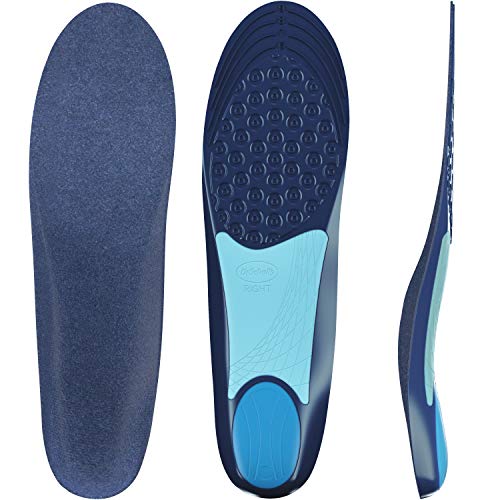
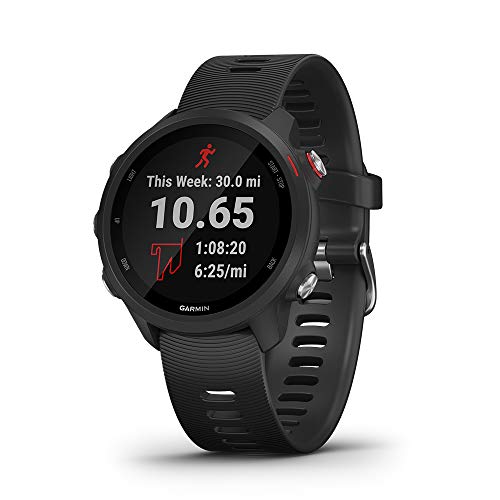
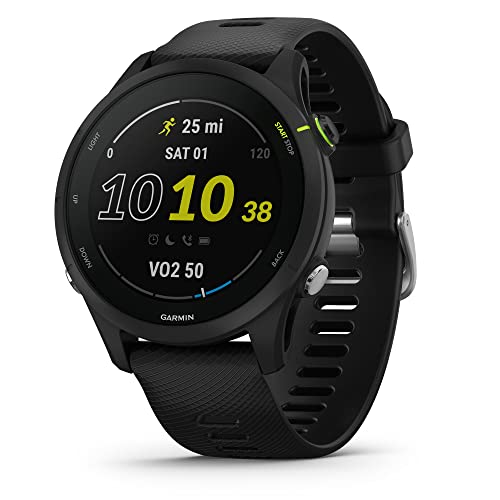


 Wall Squats build strength while protecting your knees.