


Description
This page contains affiliate links. If you make a purchase after clicking on a link we may earn a commission at no extra cost to you.


Product Specifications
Clear specifications help you understand how this trainer may fit into your space, routine, and training needs.
Diameter: 26 inches, 65 cm
Height When Fully Inflated: Approximately 10 inches
Item Weight: 8.8 pounds, 4 kilograms
Material: Latex free, burst resistant dome material
Base Construction: Non skid, non marking base with dual over mold reinforcement
Maximum Recommended User Weight: 300 pounds, 136 kilograms
Inflation Method: Hand pump included
Some users choose to use a compatible alternative pump for faster inflation.
Available Colors: Multiple color options, including
• Blue with black base
• Blue with green base
• Pink with green base
• Orange
Color availability may vary depending on retailer inventory.
Country of Origin: Made in the USA
Included Accessories:
• Hand pump
• Exercise manual
• Access to downloadable or online instructional videos

How the BOSU Balance Trainer Can Support Runners
Running places repetitive demands on the body. Over time, small imbalances in strength or stability can influence stride efficiency, posture, and joint control.
Incorporating balance based exercises into a training routine may help runners develop greater body awareness and coordination. This awareness, often described as proprioception, plays an important role in controlled and efficient movement patterns.
Core Stability and Running Form
A stable core contributes to posture and alignment during longer runs. When the deep stabilizing muscles are engaged and conditioned, runners may find it easier to maintain consistent form, particularly as fatigue sets in.
Poor core control can sometimes contribute to compensations that place additional stress on the lumbar spine. Strengthening supportive muscles may help reduce strain associated with common issues such as lower back pain, especially during higher mileage or prolonged training periods.
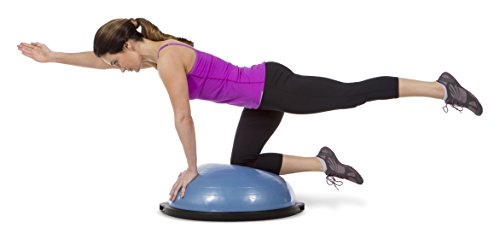
Balance focused training can complement traditional strength work by encouraging subtle muscle activation that supports upright posture and controlled rotation.
Joint Stability and Lower Body Control
The repetitive impact of running places stress on the ankles, knees, and hips. Strengthening the surrounding stabilizing muscles may help support joint control during uneven terrain, directional changes, or speed variations.
Exercises performed on an unstable surface can introduce small corrective movements that challenge coordination and muscular response. Over time, this type of training may assist runners in building resilience within supporting muscle groups.
Recovery and Controlled Reintegration
For some runners, balance based exercises are incorporated into structured recovery programs under professional guidance. Controlled movements on a stable surface can help reintroduce strength and coordination after time away from training.
ℹ️ As with any training tool, progression and proper technique are important. Individuals recovering from running injuries should consult a qualified healthcare or sports professional before beginning new exercises.

What You May Want to Know Before Choosing the BOSU Balance Trainer
Below are practical questions many runners and home fitness users consider before deciding whether this trainer fits their needs.
What types of exercises can be performed with the BOSU Balance Trainer?
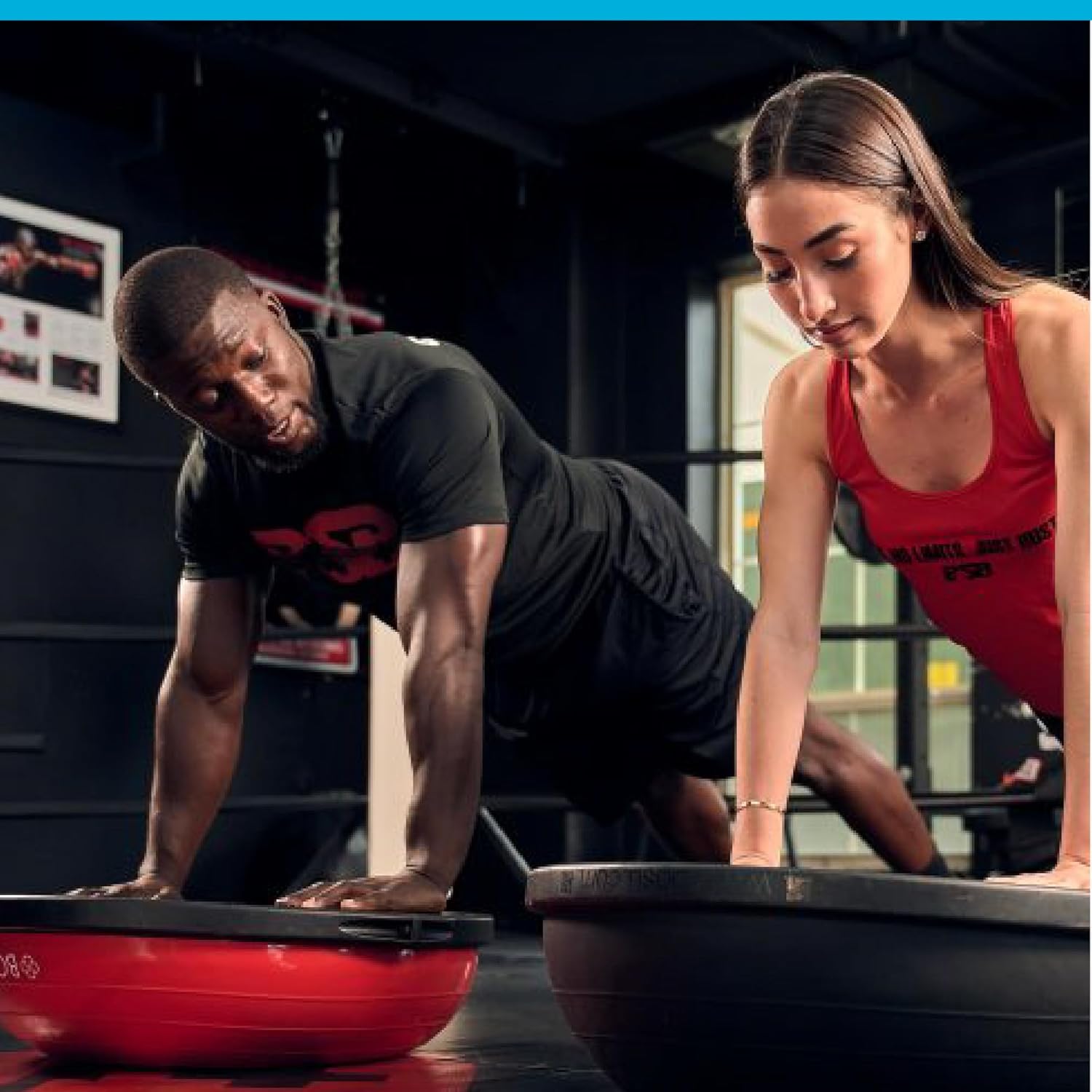
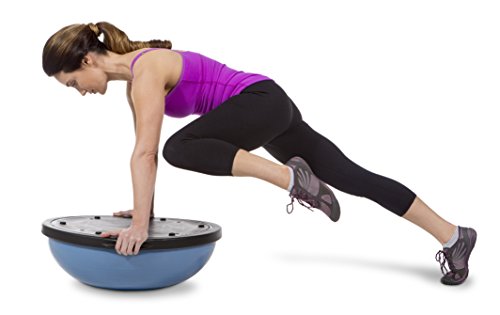
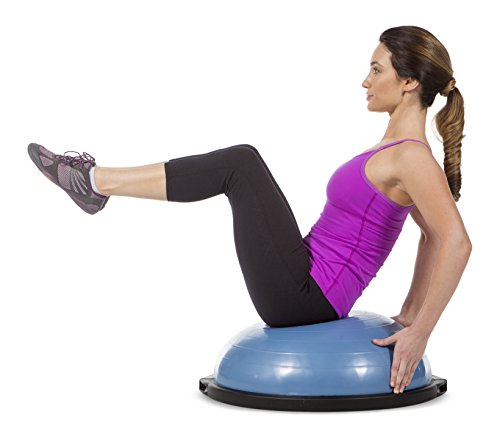
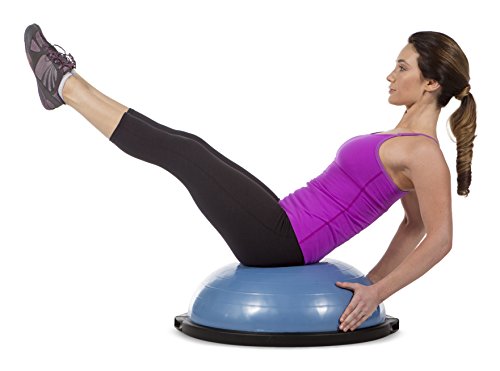
The trainer can be used for balance drills, core exercises, bodyweight strength movements, and light conditioning circuits. Common examples include squats, lunges, push ups, planks, and stability focused single leg work.
It can also be incorporated into stretching routines or structured training programs that include coordination and controlled movement.
Is this trainer appropriate for beginners?
Yes, many beginners use it for basic balance and core exercises. Starting with simple movements such as supported squats or static holds allows users to build confidence gradually.
Because the surface introduces instability, it is generally recommended to begin slowly and progress as balance and coordination improve.
What is the maximum recommended user weight?
The manufacturer lists a maximum recommended user weight of 300 pounds, or 136 kilograms. Staying within this range helps maintain intended performance and structural integrity during bodyweight training exercises.
How is it inflated, and how firm should it feel?
The trainer includes a hand pump for inflation. When fully inflated, the dome typically measures about 8 to 10 inches in height.
Most users aim for a firm surface that still provides slight give when pressed. Some individuals choose to use a compatible alternative pump for quicker inflation. Properly securing the plug after inflation is important to maintain air pressure.
Discover more from Need For Run
Subscribe to get the latest posts sent to your email.



Reviews
There are no reviews yet.