If you’re looking for running podcasts that can inform and inspire you in 2024, we’ve got you covered with our top six picks. These podcasts offer a wealth of knowledge, from personal development to professional running insights, and they’re sure to keep you motivated on your running journey.
1. The Rich Roll Podcast
A master class in personal and professional development, the Rich Roll Podcast offers insightful conversations with world-class performers to empower you to become your best self.
Navy SEAL David Goggins Is The Toughest Athlete On Earth — Thoughts On Mindset, The 40% Rule & Why Purpose Always Trumps Motivation: This episode features David Goggins, a Navy SEAL who has won top places in some of the world’s most difficult endurance races. Goggins shares how he approaches life and challenges, and how those philosophies have led him to be able to overcome grueling physical and mental conditions.
James Clear On Why Habits Are The Compound Interest of Self-Improvement: James Clear, the author of the best-selling book, Atomic Habits, walks through all the steps of how habits form and gives solid practical advice on how we can steer our habits to better ones.
Zach Bush, MD Wants You To Let Go Of Your Story: In this episode, Zach Bush, MD, discusses the science and spirituality of human and planetary transformation.
Kara Goucher: Inside the Secret World of Elite Sport Doping, Abuse & Deception: Two-time Olympian Kara Goucher discusses her experiences at the Nike Oregon Project, the ethical challenges she faced, and her resilience as a whistleblower in the sports world. A must-listen for anyone seeking to understand the mindset of champions.
2. CITIUS MAG Podcast with Chris Chavez
Tune in for weekly interviews with track and field stars. Chris Chavez brings you closer to the athletes with his engaging and informative discussions.
OAC’s Sage Hurta-Klecker On Her Commitment And Dedication To Making Team USA In The 800m: Sage Hurta-Klecker, a member of the OAC, discusses her commitment and dedication to making Team USA in the 800m.
Emma Bates After Finishing Top American At The 2024 Boston Marathon, 2:27:14 | Race Recap And Reflections: Emma Bates reflects on her performance at the 2024 Boston Marathon, where she finished as the top American with a time of 2:27:14.
OAC’s Yared Nuguse On His World Championship Experience, Lessons From Racing Jakob Ingebrigtsen/Josh Kerr: Yared Nuguse of the OAC shares his experiences from the World Championship and the lessons he learned from racing against Jakob Ingebrigtsen and Josh Kerr.
3. The Runner’s World UK Podcast
Your weekly dose of everything running. From training advice to interviews with elite athletes, this running podcast has it all.
How to recover after a big race: Running physio Tom Goom gives an expert guide to recovering after a big race. Listen in for advice on making smart decisions in the aftermath of a big race, and how best to capitalize on your hard-earned fitness.
Georgia Bell: the rising star of British distance running: In this episode, Georgia Bell details her remarkable journey back to elite-level running. An outstanding junior, Bell was seemingly on course to become a star athlete, but after suffering a series of injuries while on a scholarship at Berkeley, California, she walked away from the sport in her early 20s – seemingly for good. But lockdown and an impressive park run time convinced her to refocus on running – and she’s now aiming for Paris 2024.
How to cure the post-race blues: With marathon season drawing to a close, many runners will be battling with the post-race blues. What to focus on now that your big race has finished? In this episode, RW staffers look at some of the best ways to pick smart goals that will give you a new sense of purpose.
4. LetsRun.com’s Track Talk
Go behind the scenes of the professional running, marathoning, and track and field world with LetsRun.com’s Track Talk.
Boston, NCAA Standouts (Colin Sahlman, Parker Valby, Adam Spencer, Jacious Spears), and a Bizarre Discus Record for the Ages: This episode covers the 128th Boston Marathon, the standout performances from NCAA athletes, and a record-breaking discus throw.
World XC Preview, NIL & Track, Jerry Races Some of His Guys, 4×100 Record Broken: This episode provides a preview of the World Cross Country Championships, discusses the impact of Name, Image, and Likeness (NIL) on track and field, and covers a record-breaking 4x100m relay.
Is Centro Back? Nico Young’s Range, Colin Sahlman (Guest), Sydney’s Debut, and a Much Better World Relays: This episode features a discussion on Matthew Centrowitz’s return to form, Nico Young’s range, an interview with Colin Sahlman, Sydney McLaughlin’s debut, and an improved World Relays event.
5. Another Mother Runner Podcast
This weekly running podcast explores the intersection of running and mothering, offering support, advice, and camaraderie to mothers who run.
The Examined Run with Sabrina Little, Ph.D.: This episode is ideal for anyone who gets a bit contemplative on a run. The guest is Sabrina Little, Ph.D., a former pro runner and author of The Examined Run one of the most powerful motivational running books.
One Runner’s Quest to Qualify for Boston Marathon: This episode follows the journey of a runner aiming to qualify for the prestigious Boston Marathon.
Running into their 60s, 70s, and 80s: A must-listen for anyone who wants to keep running into their 60s, 70s, and 80s. The hosts talk with three Senior Masters runners, who share their starts in running, pre-run routines, the importance of stretching, rest, and running with others, and their racing plans for 2024.
6. Run to the Top Podcast
Get actionable lessons from the sport’s best runners, researchers, and coaches. Run to the Top Podcast is your guide to achieving your running goals.
Are These Myths about Running Cadence Increasing Your Injury Risk?: This episode explores the many myths about running cadence and whether they increase your risk of injury.
Is Running Good and Bad for Your Heart?: This episode delves into the impact of running on heart health, discussing whether training hard increases our risk of heart issues.
How To Be An #AwesomeRunner: This episode is for runners who’ve ever downplayed their abilities or felt negative about their running. It aims to shift the negativity and inspire runners to see their own awesomeness.
➤ The Power of Running Podcasts
Running podcasts offer a wealth of benefits to runners of all levels. They provide a source of motivation, education, and entertainment that can enhance your running experience. Whether you’re pounding the pavement, hitting the trails, or resting your legs, tuning into a running podcast can help you stay connected to the running community and keep your passion for the sport alive.
Motivation: Hearing stories from other runners can inspire you to push through challenges and reach new milestones.
Education: Expert guests share valuable insights on training, nutrition, injury prevention, and more.
Entertainment: Engaging conversations and storytelling make long runs more enjoyable.
Community: Connect with a global community of runners sharing the same journey.
➤ Discovering More Running Podcasts to Match Your Interests
In the vast world of podcasting, finding running podcasts that align with your unique interests can seem daunting. However, with the right strategies and tools, you can uncover a treasure trove of content tailored to your running journey.
Podcast directories and search engines are your best friends in this quest. These platforms categorize podcasts into various genres, making it easier for you to find what you’re looking for. Start by searching for categories such as “running,” “fitness,” or “health.”
Reading reviews and ratings is another effective way to gauge the quality and relevance of a podcast. These feedbacks provide insights into the experiences of other listeners and can help you decide if a running podcast aligns with your interests.
Here are some additional tips to help you find the perfect running podcasts for you:
Use Keywords: Use specific keywords related to your interests. For example, if you’re interested in marathon training, use keywords like “marathon training podcast.”
Check Out the Hosts: The host’s background can give you an idea of the podcast’s perspective. Look for hosts who are experienced runners, coaches, or experts in the field.
Listen to a Few Episodes: Before committing to a podcast, listen to a few episodes to get a feel for the content and style.
Explore Guest Episodes: Podcasts often feature guests who are experts in their field. These episodes can provide a wealth of knowledge and introduce you to new voices in the running community.
The best running podcast for you is the one that resonates with your running journey and inspires you to lace up and hit the road.
If you’re seeking a convenient way to maintain your fitness and well-being without leaving the comfort of your home, investing in the best home treadmill is an excellent choice. A home treadmill allows you to burn calories, enhance cardiovascular health, and alleviate stress, all within the confines of your own space.
However, with the multitude of treadmill models and features available, how do you determine which is the best home treadmill that suits your specific needs?
To simplify your treadmill decision-making process, we’ve gathered a selection of the top 8 home treadmills for better running in 2024. We’ve considered expert reviews, customer feedback, and overall performance to compile this list. Whether you’re seeking affordability, space-saving design, or advanced features, we’ve got options for you.
So feel free to take a casual browse through the list and find the treadmill that suits you best.
This page contains affiliate links. If you purchase after clicking on a link, we may earn a commission at no extra cost to you.
🏆 Our Top Pick for Most Runners
Sole TT8 Treadmill
If you want one treadmill that balances build quality, performance, and long-term reliability, this is the safest choice for most runners.
Why we recommend it
Strong motor and stable deck for regular running
Comfortable cushioning that reduces joint stress
Solid option for serious training without commercial gym pricing
1. Horizon Fitness 7.4 AT Studio Series Smart Treadmill
The Horizon Fitness 7.4 AT Treadmill redefines home workouts through its blend of intelligent features and streamlined design. Engineered with runners in mind, this treadmill boasts a powerful motor, generous deck size, advanced cushioning, and customizable incline options, providing an ideal platform for effective training sessions.
Its smart capabilities enhance workout experiences and connectivity, while additional amenities like a built-in fan and speakers cater to modern fitness enthusiasts.
As part of Horizon’s “Studio Series,” it seamlessly integrates with Bluetooth-enabled fitness apps, allowing users to stream classes while enjoying the benefits of its 3-zone variable response cushioning, replicating outdoor runs and minimizing joint impact.
The Horizon Fitness 7.4 AT Treadmill is best suited for runners of all levels seeking a high-performance home treadmill for effective and customizable indoor training sessions.
Horizon 7.4 Key Specifications:
Motor Power: 3.5 Continuous-Duty Horsepower (CHP)
Running Surface: 22″ x 60″
Incline Range: 0% to 15%
Max User Weight: 350 lbs
Maximum Speed: 12 Miles per Hour
Horizon 7.4 Advantages:
Powerful motor for smooth and consistent performance.
The spacious deck provides ample room for comfortable running.
Advanced cushioning reduces the impact on joints during workouts.
Adjustable incline options simulate outdoor terrain for varied training.
Smart features offer enhanced workout experiences and connectivity.
Built-in fan and speakers for added comfort and entertainment during workouts.
Connect directly to apps like Peloton and Zwift with the included Bluetooth chest strap.
The Nordictrack Commercial 1750 is our top pick for the best treadmill overall. This treadmill is stable, spacious, easy to use, and equipped with streaming capabilities. It has a large color touchscreen, a powerful motor, a smooth belt, and a cushioned deck. It also offers a range of incline and decline options, as well as interactive workouts from iFit. The Nordictrack Commercial 1750 is a dependable and versatile machine that can suit any runner’s needs.
The Horizon Fitness T101 is our choice for the best treadmill under $1,000. This treadmill is affordable, durable, and user-friendly. It has a simple console, a quiet motor, a shock-absorbing deck, and a folding design. It also has built-in speakers, a fan, a tablet holder, and a USB port. The Horizon Fitness T101 is a great value-for-money treadmill that can handle light to moderate use.
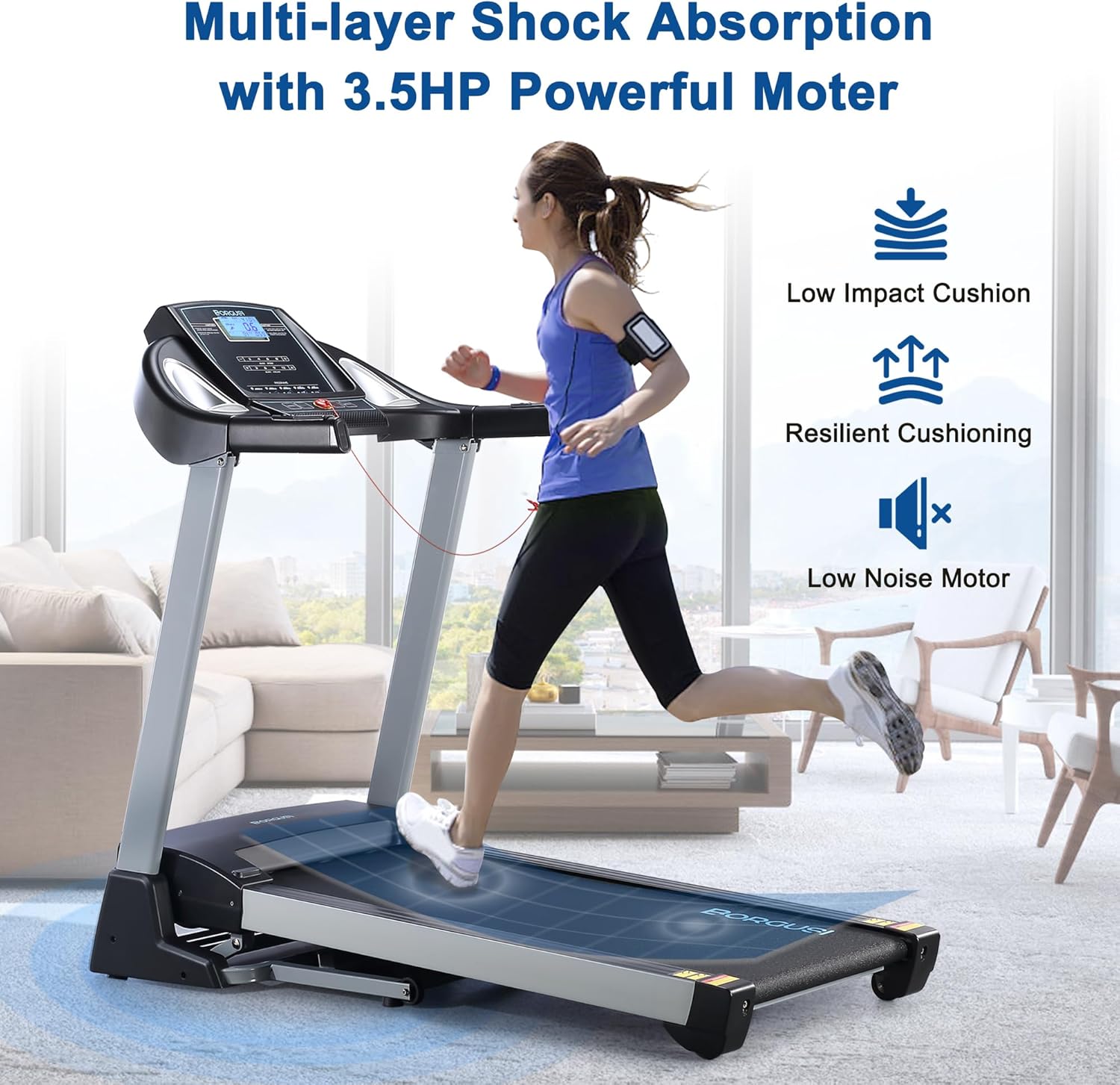
The BORGUSI 5104 Treadmill offers an elevated home fitness experience with its powerful motor, spacious running surface, and customizable workout programs. Its foldable design and transportation wheels ensure easy storage and portability. With a cushioned deck, integrated speakers, and user-friendly controls, it’s perfect for users of all levels seeking convenience and comfort in their workouts.
The BORGUSI 5104 Treadmill is suitable for beginner and intermediate runners seeking versatile home workouts. However, it may not be suitable for advanced runners requiring higher speeds and incline levels for intensive training.
Remember to consider your specific needs and preferences when choosing the right treadmill for your home.
5. Sole F89 Foldable Treadmill (2023 Model)
The Sole F89 Foldable Treadmill (2023 Model) is a dynamic addition to our treadmill collection, building on the acclaimed legacy of its predecessor, the F85 model. Merging cutting-edge technology with thoughtful design and robust engineering, the F89 is a versatile fitness companion suitable for both novices and seasoned runners alike.
Boasting a powerful 3.5 HP motor and a generous 22″ x 60″ running surface, this treadmill offers a seamless indoor running experience. Its quiet operation and Bluetooth connectivity for wireless music streaming enhance your workout ambiance, while the large touchscreen display keeps you informed with real-time data. With a sturdy frame ensuring stability and a shock-absorbing deck protecting your joints, the F89 promises a reliable and comfortable fitness journey at home.
The Sole F89 treadmill is an excellent choice for anyone seeking a robust treadmill with a powerful motor and high user weight capacity. With its heavy-duty construction, it’s suitable for users of all skill levels, from beginners to advanced runners. While it’s not inexpensive, priced around $3k, its powerful motor and streaming features make it worth the investment. Whether you’re focused on speed, endurance, or maintaining fitness, the F89 ensures a satisfying workout experience.
The Echelon Stride 4S+22 Treadmill is designed for those seeking a space-saving solution without compromising on features. Capable of supporting users up to 325 lbs, this treadmill includes a motorized incline and comfortable air cushioning deck, accommodating various fitness levels.
It offers access to live and on-demand treadmill classes, immersive scenic routes on a 22″ HD touchscreen, and easy cross-training workouts with its rotating screen. This treadmill enhances your fitness routine with convenience and quality.
The Echelon Stride 4S treadmill combines functionality with elegance, making it an excellent choice for compact living spaces.
Perfect for those looking to boost home workouts conveniently and effectively, the Echelon Treadmill Stride 4S+22 caters to users of all fitness levels. Whether you’re a novice or a seasoned athlete, this treadmill enhances your home fitness routine with smart features and effortless storage options.
Key Specifications:
Motor Power: Durable Motor with 3.0 CHP (Continuous Horsepower) & 5.4 Peak
Running Surface: 20″ x 60″ with DuroFlex Cushioned Suspension
Incline Range: 0% to 10%
Max User Weight: 325 lbs
Maximum Speed: 12.4 Miles per Hour
Advantages:
Sleek and modern design complements any space.
Auto-fold technology for effortless storage.
Intuitive 22″ HD touchscreen display effortlessly rotates 180° for off-equipment workouts.
The Bowflex Treadmill 22 is our choice for the best folding treadmill. This treadmill is powerful, spacious, and feature-rich. It has a large and immersive 22″ touchscreen, a robust and smooth motor, and a cushioned and adjustable deck. It also has a folding mechanism, a media rack, a USB port, and a speed range of 0.5 to 12 mph. The Bowflex Treadmill 22 is a premium and versatile treadmill that can fold up for easy storage.
The Bowflex Treadmill 22 is for those who seek a treadmill for intensive training and demanding workouts, making it ideal for serious runners and athletes aiming to push their limits and improve performance
Key Specifications:
Motor Power: 4.0 CHP
Running Surface: 22″ x 60″
Incline Range: -5% to 20%
Max User Weight: 400 lbs
Maximum Speed: 12 Miles per Hour
Advantages:
Premium features enhance your workout experience.
The spacious deck provides ample room for comfortable running or walking.
Interactive coaching offers personalized guidance to help you achieve your fitness goals.
Sturdy construction ensures durability and stability during workouts.
Adjustable incline settings for added workout intensity and variety.
Precise cushioning technology minimizes impact on joints, reducing the risk of injury.
Advanced tracking capabilities monitor your progress and performance metrics in real-time.
Powerful motor delivers consistent and smooth performance, supporting challenging workouts.
The Sole TT8 Treadmill is our pick for the best treadmill for marathon training. This treadmill is sturdy, stable, and durable. It has a long and wide deck, a powerful and reliable motor, and a heavy-duty frame. It also has a backlit display, a heart rate strap, a sound system, and a speed range of 0.5 to 12 mph. The Sole TT8 Treadmill is a professional-grade treadmill that can withstand intense and long runs.
The Sole TT8 Treadmill is specifically designed for marathon training and catering to the needs of serious runners. With its powerful motor, spacious running surface, and advanced features, it provides the perfect platform for long-distance training, speed workouts, and endurance building.
Key Specifications:
Motor Power: 4.0 CHP
Running Surface: 22″ x 60″
Incline Range: -6% to 15%
Max User Weight: 400 lbs
Maximum Speed: 12 Miles per Hour
Advantages:
Robust, heavy-duty construction ensures durability and stability.
Extra-long deck accommodates various stride lengths for comfortable and natural movement.
Advanced features, including a 15.6″ touchscreen display and comprehensive workout programs.
Suitable for intense workouts.
Precise incline and decline settings for dynamic training options and targeted muscle engagement.
The whisper-quiet operation allows for distraction-free workouts.
➤ Comparison Table of the Best Home Treadmills for Running in 2024
Treadmill
Motor Power
Running Surface
Maximum Speed
Maximum Incline
Maximum User Weight
Horizon Fitness 7.4 AT Studio Series Smart Treadmill
3.5 CHP
22″ x 60″
12 mph
15%
350 pounds
NordicTrack Commercial 1750
3.75 CHP
22″ x 60″
12 mph
15%
300 pounds
Horizon Fitness T101
2.5 CHP
20″ x 55″
10 mph
10%
300 pounds
BORGUSI 5104 Treadmill
3.5 HP
20″ x 50″
10 mph
15%
350 pounds
Sole F89 Foldable Treadmill (2023 Model)
4.0 HP
22″ x 60″
12 mph
15%
375 pounds
Echelon Stride 4S+22 Treadmill
3.0 CHP
20″ x 60″
12 mph
10%
325 pounds
Bowflex Treadmill 22
4.0 CHP
22″ x 60″
12 mph
20%
400 pounds
Sole TT8 Treadmill
4.0 CHP
22″ x 60″
12 mph
15%
400 pounds
➤ Conclusion: Choosing the Best Home Treadmill for Your Fitness Journey
As a runner seeking a treadmill for home workouts, selecting the best home treadmills is vital to aligning your fitness goals with the treadmill’s features. Let’s recap the key points for each treadmill:
1. Horizon Fitness 7.4 AT Studio Series Smart Treadmill:
Tailored for Runners: Featuring a powerful motor, generous deck size, and customizable incline options, it’s perfect for effective and personalized training sessions.
Stream fitness classes with Bluetooth. Cushioning minimizes joint impact.
Enjoy a comfortable and entertaining workout experience with advanced cushioning, a built-in fan, and speakers.
2. NordicTrack Commercial 1750:
Terrain-Matching Technology: Adjusts incline/decline for varied workouts.
Large 14″ Smart HD Touchscreen: Access trainer-led workouts and Google Maps routes.
iFit Connectivity: Explore interactive training experiences.
3. Horizon Fitness T101:
Affordable and Reliable: Offers quality performance at a budget-friendly price point.
Enhanced Comfort and Convenience: Features built-in speakers, a fan, and a cushioned deck for a comfortable workout experience.
Space-Saving Design: Ideal for home use with its foldable frame, allowing for easy storage when not in use.
4. BORGUSI 5104 Treadmill:
Innovative Design: Features a functional LCD display and Bluetooth speaker for an enhanced workout experience.
Convenient One-Touch Incline Control: Easily adjust incline levels from 0 to 15% with the touch of a button.
Comfortable and Durable: Offers a wide tread belt, sturdy construction, and noise reduction shock-absorbing deck for a comfortable and long-lasting workout session.
5. Sole F89 Foldable Treadmill (2023 Model):
Top Model in Folding Series: Combines engineering and style.
21.5″ Android-Powered Smart Touchscreen: Interactive and engaging.
Aluminum Anodized Z-Shaped Frame: Sturdy and durable.
6. Echelon Stride 4S+22 Treadmill:
Best Compact Treadmill: Sleek, modern, and innovative design.
Auto-Fold Technology: Space-saving convenience.
Bluetooth Connectivity: Pair with devices for entertainment.
7. Bowflex Treadmill 22:
Premium Performance: The Bowflex Treadmill 22 delivers exceptional performance with its powerful motor and advanced features.
Customizable Workouts: Enjoy personalized training sessions with adjustable incline levels and pre-set workout programs.
Enhanced Comfort: Experience comfort during workouts with its cushioned deck and ergonomic design.
8. Sole TT8 Treadmill:
Superior Performance: The Sole TT8 Treadmill offers top-notch performance with its powerful motor and advanced features.
Comfortable and Spacious: Enjoy comfortable workouts on its generous running surface and cushioned deck, ideal for users of all sizes.
Customizable Training: Tailor your workouts with adjustable incline levels and a variety of pre-set workout programs for versatile training sessions.
Consider your space, budget, and fitness preferences when making your choice. Each treadmill offers unique benefits, so find the one that aligns with your fitness journey. Happy running!
In the world of running, there’s a silent threat that many overlook until it’s too late. It’s not an injury that happens in an instant, but a gradual, creeping menace that can derail even the most dedicated runner’s progress. This threat is known as overtraining syndrome, a condition that occurs when a runner trains beyond their body’s ability to recover.
Often ignored or misunderstood, the overtraining syndrome is indeed the nightmare every runner fears. In this article, we will delve into the depths of this issue, shedding light on its causes, symptoms, and most importantly, how to prevent it from turning your running dream into a nightmare.
1. Understanding Overtraining Syndrome: Exploring the Depths
Overtraining syndrome (OTS), as the name suggests, is a physical condition that arises when an individual, in this case, a runner, exceeds their body’s capacity to recover from strenuous exercise. It’s a state of chronic fatigue, where the body is pushed so hard that it can no longer recover or adapt, leading to a decline in performance and potentially serious health issues.
Symptoms
The symptoms of overtraining syndrome can vary widely among individuals, but some common signs include:
Persistent muscle soreness
Decreased performance
Increased susceptibility to injuries
Changes in sleep patterns
Mood swings
Loss of enthusiasm for running
General fatigue
Decrease in muscle strength, coordination, and overall work capacity
Change in appetite
Feeling of depression
It’s important to note that these symptoms can be subtle and may not appear immediately, making overtraining syndrome a tricky condition to identify.
Causes
Overtraining syndrome is primarily caused by an imbalance between training and recovery. This imbalance can occur when a runner increases their training volume or intensity too quickly, not allowing their body enough time to recover. When the body doesn’t have sufficient time to rest and repair itself, it can lead to a state of constant fatigue and decreased performance, which are characteristic symptoms of overtraining syndrome.
In addition to the imbalance in training and recovery, several other factors can contribute to the development of overtraining syndrome:
Poor Nutrition: Proper nutrition is crucial for recovery as it provides the body with the necessary nutrients to repair and build muscles. A diet lacking in essential nutrients can hinder recovery and lead to overtraining.
Lack of Sleep: Sleep is a vital part of recovery. During sleep, the body undergoes various restorative processes, including muscle repair and growth. Lack of quality sleep can impede these processes, contributing to overtraining.
Stress: Both physical and mental stress can contribute to overtraining. High levels of stress can interfere with recovery and increase the risk of overtraining.
Understanding the overtraining syndrome is crucial for every runner. It’s not just about pushing your limits, but also about listening to your body and giving it the rest it needs. Remember, more is not always better when it comes to training. Balance is key. In the following sections, we will delve deeper into how to identify, prevent, and deal with overtraining syndrome.
2. The Impact of Overtraining on Runners
Overtraining syndrome doesn’t just affect a runner’s physical health; it can also have profound effects on their mental well-being. Let’s explore these impacts in more detail.
Physical Effects:
The physical effects of overtraining syndrome can be severe and far-reaching. It can lead to a significant decrease in performance, making it harder for runners to maintain their usual pace or finish their regular distance. Overtraining can also lead to persistent muscle soreness, increased risk of injuries, and a weakened immune system, making runners more susceptible to illnesses. In extreme cases, overtraining syndrome can lead to hormonal imbalances and disturbances in the menstrual cycle in female runners.
Mental Effects:
The mental effects of overtraining syndrome are equally concerning. Runners may experience mood swings, irritability, and a loss of enthusiasm for running. They may also suffer from increased levels of stress and anxiety, and in some cases, even depression. Overtraining can also lead to sleep disturbances, including insomnia, which can further exacerbate these mental health issues.
It’s important to remember that running is not just about physical endurance, but also about mental resilience. Overtraining syndrome can undermine both, turning a source of joy and accomplishment into a source of stress and frustration.
3. How to Identify Overtraining
Recognizing the signs of overtraining syndrome is crucial for every runner. It’s important to listen to your body and be aware of any changes that could indicate overtraining. Here are some tips to help you identify the signs:
1. Persistent Fatigue: One of the most common signs of overtraining is a feeling of constant tiredness or fatigue that doesn’t improve with rest. If you’re feeling unusually tired all the time, it could be a sign that you’re pushing yourself too hard.
2. Decreased Performance: If you notice a decline in your running performance, such as slower times or difficulty completing your usual distance, this could be a sign of overtraining.
3. Increased Resting Heart Rate: An increased resting heart rate can be an early sign of overtraining. Regularly monitoring your resting heart rate can help you spot any unusual increases.
4. Mood Changes: Overtraining can also affect your mood. If you’re feeling irritable, anxious, or depressed, it could be a sign that you’re overtraining.
5. Sleep Disturbances: Overtraining can lead to problems with sleep, including difficulty falling asleep or staying asleep. If you’re experiencing sleep disturbances, it could be a sign of overtraining.
6. Frequent Illness or Injury: Overtraining can weaken your immune system, making you more susceptible to illnesses and injuries. If you’re getting sick or injured more often than usual, it could be a sign of overtraining.
10 Signs of Overtraining in Running
4. Preventing Overtraining
Preventing overtraining syndrome is all about balance and listening to your body. Here are some strategies that can help runners avoid falling into the overtraining trap:
1. Gradual Increase in Training Load: Avoid increasing your training volume or intensity too quickly. A common rule of thumb is the “10% Rule,” which suggests not increasing your weekly mileage by more than 10% from the previous week.
2. Adequate Rest and Recovery: Rest days are just as important as training days. They give your body a chance to recover, adapt, and get stronger. Make sure to schedule regular rest days in your training plan.
3. Listen to Your Body: Pay attention to how you feel during and after your runs. If you’re feeling unusually tired, experiencing persistent muscle soreness, or noticing a decline in your performance, these could be signs that you need more rest.
4. Nutrition and Hydration:Proper nutrition and hydration play a crucial role in recovery. Make sure you’re eating a balanced diet and staying hydrated, especially after long runs.
5. Quality Sleep: Sleep is when your body does most of its recovery and repair work. Aim for 7-9 hours of quality sleep each night.
6. Cross-Training: Incorporating other forms of exercise, such as swimming, cycling, or strength training, can help improve your overall fitness and reduce the risk of overtraining.
7. Mental Health: Don’t forget about your mental health. Activities like yoga, meditation, or simply taking time to relax and do things you enjoy can help reduce stress and prevent overtraining.
Remember, every runner is different, and what works for one person may not work for another. It’s important to find a balance that works for you and aligns with your running goals. If you suspect you’re overtraining, don’t hesitate to seek advice from a healthcare professional or a running coach.
Boost Running Performance: Prevent Injuries with the Down Week Rule
5. Dealing with Overtraining
If you find yourself in the grip of overtraining syndrome, don’t despair. There are several steps you can take to recover and get back on track. Here’s what you can do:
1. Rest and Recover: The first and most important step in dealing with overtraining is to rest. Your body needs time to recover and heal. This might mean taking a complete break from running or significantly reducing your training load.
2. Nutrition and Hydration: Proper nutrition and hydration are crucial for recovery. Make sure you’re eating a balanced diet with plenty of protein to aid muscle recovery. Also, stay hydrated to help your body function at its best.
3. Seek Professional Help: If your symptoms persist despite taking time off and focusing on recovery, it may be time to seek professional help. A sports medicine professional or a qualified coach can provide guidance and help you develop a plan to safely return to running.
4. Gradual Return to Running: Once you start feeling better, resist the urge to jump back into your previous training routine. Instead, gradually increase your training volume and intensity, giving your body time to adjust.
5. Listen to Your Body: Moving forward, make sure to listen to your body. If you start to feel the symptoms of overtraining again, take it as a sign that you need to back off and rest.
Remember, overtraining syndrome is a serious condition that can have long-term effects on your health and performance. It’s important to treat it with the seriousness it deserves. With patience, proper recovery, and a balanced approach to training, you can overcome overtraining syndrome and return to the joy of running.
Concluding Remarks on Overtraining Syndrome
In this article, we’ve taken a deep dive into the world of overtraining syndrome, a condition that poses a significant threat to runners. We’ve explored what overtraining syndrome is, its physical and mental effects on runners, and how to identify its signs. We’ve also discussed strategies for preventing overtraining and dealing with it if you’re already in its grip.
Remember, running is a journey, and like any journey, it’s not just about the destination but also about how you get there. Overtraining syndrome can turn this journey into a nightmare, but with the right knowledge and approach, you can keep this threat at bay.
So, listen to your body, balance your training with adequate rest, and don’t hesitate to seek help if you suspect you’re overtraining. After all, the true victory for a runner is not just crossing the finish line, but doing so while maintaining their health and well-being.
Run smart, run healthy, and keep the nightmare of overtraining syndrome at bay.
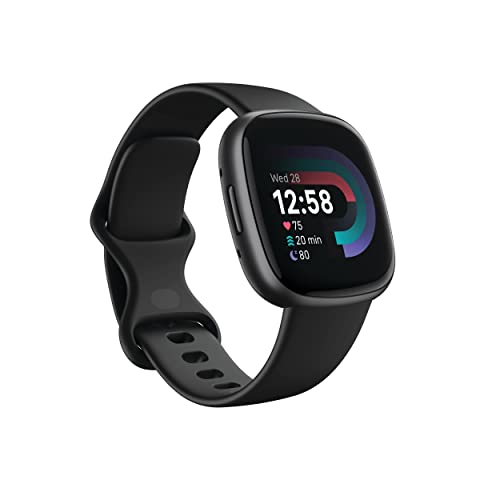
For fitness enthusiasts and people who own older Fitbit models, selecting the perfect smartwatch is crucial. In this analysis, we will explore the differences between the Fitbit Versa 2 and Versa 4, to help those familiar with Fitbit’s technology make an informed decision about upgrading, which is aligned with their ongoing fitness activities.
Fitbit is renowned for its innovative technology and dedication to health tracking. They offer a range of options tailored to meet evolving fitness needs. So, whether you’re new to Fitbit or currently own a Versa 2 and are considering an upgrade, this guide will assist you in deciding if the Versa 4 aligns with your fitness goals.
Comparison Table of Fitbit Versa 2 vs Fitbit Versa 4
Specs. & Features
Watch Type
Display Size
Display Resolution
Display Type
Screen Material
Input Interface
Input type
Weight
Best Use
Phone Connection
Supports NFC
Contactless Payments
Smartphone Compatibility
Built-in GPS
Sensors
Notifications
Water Resistance
Charging Time
Fast Charging (A day\'s worth of battery in just 12 minutes)
This page contains affiliate links. If you purchase after clicking on a link we may earn a commission at no extra cost to you.
Key Features Exclusive to Fitbit Versa 4:
Improved Bluetooth and Sync Range: The Versa 4 boasts an enhanced Bluetooth and sync range. This means it can maintain a more reliable and stable connection with your phone, even at greater distances. This improvement can lead to a smoother user experience, especially when syncing data between the watch and the Fitbit app on your phone.
Google Maps Support: One of the standout features of the Versa 4 is its integration with Google Maps. This feature allows you to receive turn-by-turn directions right on your wrist, which can be incredibly handy when you’re out for a run or bike ride and need to navigate your route.
Expanded Exercise Modes: The Versa 4 supports over 40 exercise modes, providing a more comprehensive fitness tracking experience. This includes traditional workouts like running, cycling, and swimming, but also extends to new options such as weightlifting and dancing. This wide range of exercise modes allows you to track a variety of workouts and gain a more holistic view of your fitness.
Daily Readiness Score: The Versa 4 introduces a new feature called the Daily Readiness Score. This feature uses insights from your body, such as your sleep patterns, recent activity, and heart rate variability, to provide a daily score. This score can guide you on whether it’s a good day to push your limits with a tough workout, or if your body needs a recovery day.
These features make the Fitbit Versa 4 a versatile and advanced fitness tracker, capable of supporting a wide range of activities and providing valuable insights into your health and fitness. As always, it’s important to check the manufacturer’s official specifications for the most accurate and up-to-date information.
Fitbit Versa 2 vs Versa 4 – Comparison Insights:
When comparing the Fitbit Versa 2 and Versa 4, it’s clear that both smartwatches offer robust fitness tracking capabilities. However, the Versa 4 stands out with its built-in GPS, a wider range of exercise modes, and improved Bluetooth and sync range.
On the other hand, the Versa 2, while lacking some of these advanced features, offers a more affordable price point and a longer battery life, making it a solid choice for those seeking a balance between cost and functionality.
Conclusion
In conclusion, the Fitbit Versa 2 and Versa 4 offer a range of features to support your fitness journey. The choice between the two ultimately depends on your specific needs and preferences. If you value advanced features like built-in GPS and a wider range of exercise modes, the Versa 4 may be worth the upgrade. However, if you’re looking for a more affordable option that still offers comprehensive fitness tracking, the Versa 2 remains a strong contender.
Fitbit Versa 2 vs Versa 4 – Common Questions
What is the difference between Fitbit Versa 2 and Versa 4?
The Fitbit Versa 4 is a newer model and has updated features compared to the Fitbit Versa 2. The Versa 4 has a better battery life, advanced health tracking like heart rate monitoring, and built-in GPS to track your location during exercises. It is also slimmer and has a more modern look.
Can I use the same bands from my Versa 2 for the Versa 4?
Yes, the bands designed for the Versa 2 can fit the Versa 4 because the size of the watch itself hasn’t changed much.
Does the Fitbit Versa 4 have features that the Versa 2 doesn’t?
Yes, the Versa 4 has several features not found in the Versa 2, including built-in GPS, Google Maps support, and a wider range of exercise modes.
Can I answer calls and texts on both Fitbit models?
You can get notifications for calls and texts on both, but you can only send quick replies if you’re using an Android phone. The Versa 4 lets you take calls from the watch if it’s connected to your phone.
Do both Versa 2 and Versa 4 have music storage?
Only the Versa 2 can store music on the watch itself. The Versa 4 does not have music storage but can control music playback on your phone.
Is it worth upgrading from Fitbit Versa 2 to Versa 4?
If you’re interested in having the latest health features, better battery life, and built-in GPS, upgrading to the Versa 4 could be worth it. But if you’re happy with your Versa 2 and want music storage on your watch or you don’t need the newest features, then you might want to stick with what you have.
Do both the Versa 2 and Versa 4 support heart rate tracking?
Yes, both models support continuous heart rate tracking.
Can I use mobile payments with both watches?
Both watches support Fitbit Pay, which allows you to make payments using your watch. However, with the Fitbit Versa 4, you can also use Google Wallet.
Welcome to The Ultimate Runner’s Glossary — your go-to guide for understanding key running terms and definitions. Whether you’re a seasoned marathoner, a casual jogger, or just starting your running journey, this glossary helps you make sense of the language of running.
From everyday concepts like cool down and interval training to advanced topics such as gait analysis and Kenyan hills, you’ll find clear explanations to boost both your knowledge and performance.
Dive in and explore the essential terms that every runner should know — and keep checking back as we continue to add more useful running definitions over time.
A
Aerobic Capacity
Aerobic capacity, also called cardiorespiratory endurance, is the body’s ability to take in, move, and utilize oxygen during extended physical activity. Those with a high aerobic capacity can sustain high-intensity exercises for longer periods, which is critical for distance running.
Anaerobic Threshold
The anaerobic threshold (AT) is the point during intense exercise where the body’s demand for oxygen exceeds the available supply. At this point, the body relies more on anaerobic metabolism to produce energy, accumulating lactate in the muscles. Understanding and training at or near the anaerobic threshold is essential for improving race performance and endurance.
Aqua Jogging
Aqua jogging is a form of exercise performed in a swimming pool. It involves imitating the running movements while submerged in water, using flotation devices to stay upright. Aqua jogging is a great option for runners recovering from injuries or seeking a low-impact workout. The water’s buoyancy reduces stress on joints and muscles. It allows runners to mimic running motions such as high knees, leg kicks, and arm movements. The water adds resistance, making the workout more challenging and helping to build strength. Aqua jogging can be used as a supplementary training method during intense periods of training or to add variety to activities. It is a versatile and beneficial exercise that allows runners to continue training even if they can’t run on solid ground. Whether for injury recovery or fitness maintenance, aqua jogging offers a refreshing and enjoyable way to stay active.
B
Barefoot Running
Barefoot running is an innovative technique where runners choose to run without traditional shoes, either barefoot or with minimal footwear. Proponents believe that this approach promotes a more natural and efficient running form while strengthening the foot and lower leg muscles. The freedom of movement and flexibility of the feet in barefoot running may also improve balance and proprioception. However, it is crucial to transition gradually and carefully to avoid injuries. Beginning with short distances on soft surfaces and gradually increasing mileage can help prevent issues like stress fractures or plantar fasciitis. It is recommended to seek guidance from a healthcare professional or running coach with experience in barefoot running before attempting it, as they can provide personalized advice based on individual fitness levels and goals.
Base Mileage
Before starting a specific training plan or speed workouts, it’s essential to establish your base mileage. This running term refers to the average miles (or kilometers) you run per week at a moderate pace to build your aerobic fitness and endurance. Base mileage is crucial for preventing injuries and providing a solid foundation for more intense training in the future.
Black Toenails
Black toenails, also known as “runner’s toenails,” is a common running injury characterized by discoloration and bruising under the toenail. It occurs when repetitive impact or pressure from the shoe causes blood vessels to rupture, leading to bleeding beneath the nail. As blood accumulates, the toenail may turn dark or black. Black toenails can be painful and may eventually lead to the nail detaching from the nail bed. To prevent black toenails, runners should wear properly fitted running shoes, trim toenails regularly, and use moisture-wicking socks to reduce friction and pressure on the toes during running.
Bonk(Hitting the Wall)
“Bonk” is a runner’s term used to describe the sudden and extreme fatigue experienced by runners when they exhaust their glycogen stores during prolonged or intense exercise. This condition is commonly referred to as “hitting the wall.” Runners who experience this may feel disoriented, weak, and unable to maintain their pace. To avoid bonking during long-distance runs, it is essential to develop proper nutrition and pacing strategies.
C
Cadence
The term “running cadence” pertains to the number of steps you take in a minute while running, also known as Steps Per Minute (SPM). As you progress and improve your running skills, your cadence will naturally increase. Elite runners usually have a cadence of 170-190, which has been proven to be more effective. If your cadence is currently between 140-160 steps per minute, increasing it by 5-10% can help you become a faster runner.
Carb Loading:
Carb loading is a nutritional strategy involving increased carbohydrate intake before endurance events like marathons. By elevating glycogen stores in muscles and the liver, runners can delay fatigue and boost endurance during prolonged exercise. Consuming 7-12g of carbs per kg of body weight per day in the days before the race optimizes performance. Proper hydration and balanced nutrition complement this strategy, ensuring runners are fueled for peak performance on race day.
Chafing
Chafing refers to the irritation and friction-induced skin abrasion that occurs during running or other physical activities. It commonly happens in areas where skin rubs against clothing or other skin surfaces, such as the inner thighs, underarms, or nipples. Moisture from sweat can exacerbate chafing, leading to red, raw, and painful patches on the skin. To prevent chafing, runners often use anti-chafing balms, moisture-wicking clothing, and well-fitted apparel to reduce friction. Addressing chafing promptly with proper skin care and adjustments in clothing can help runners stay comfortable and avoid discomfort during their runs.
Checkpoint
A checkpoint is a designated location where runners must pass through during a race or long-distance event. It serves as a timing station, allowing organizers to track runners’ progress and provide updates on their race times. Checkpoints also offer aid stations, providing water, sports drinks, and snacks to help runners stay hydrated and fueled. They play a crucial role in race logistics and ensuring the safety and well-being of participants by offering crucial support throughout the event.
Cool Down
After a run, a proper cool-down is crucial for injury prevention and effective recovery. It consists of two essential parts:
Jogging and/or Walking: Gradually lower your heart rate and breathing by jogging or walking slowly. This gentle movement keeps the blood circulating throughout the body, preventing blood from pooling in the extremities and supporting the removal of waste products from the muscles.
Static Stretching: Follow up with static stretches to enhance flexibility, improve the range of motion, and speed up recovery by increasing blood flow to your muscles. Hold stretches for specific muscle areas to prevent muscle tightness and potential injury.
By incorporating these two elements into your cool-down routine, you can optimize your post-run recovery and promote better overall running performance. Make it an essential part of your running routine for better overall well-being.
Cooper Test
The Cooper Test is a fitness assessment used to measure a runner’s aerobic endurance and estimate their VO₂ max — the maximum amount of oxygen the body can use during exercise. Developed by Dr. Kenneth H. Cooper in 1968, the test involves running as far as possible in 12 minutes on a track or flat surface. The total distance covered is then used to evaluate cardiovascular fitness: the farther you run, the better your aerobic capacity. It’s a simple yet effective way for runners to monitor progress and set training goals. For a detailed guide on how to perform the test and interpret your results, check out this Cooper Test overview on Verywell Fit.
Core Training
Core training focuses on strengthening the muscles of the core, including the abdominals, obliques, lower back, and pelvic muscles. A strong core is essential for stability, balance, and efficient running form. Core exercises often involve dynamic movements and stability exercises that target the entire midsection. By incorporating core training into their routine, runners can improve running posture, reduce the risk of injuries, and enhance overall performance. A strong core helps runners maintain proper alignment and transfer power effectively from the upper body to the lower body, contributing to more efficient and powerful strides during running.
D
DOMS
DOMS, or Delayed Onset Muscle Soreness, is a condition that causes muscle discomfort and stiffness. It occurs several hours or days after intense or unaccustomed physical activity. DOMS is the result of microscopic muscle damage and inflammation caused by the stress on the muscles during exercise.
This condition can lead to soreness, tenderness, and reduced range of motion in the affected muscles. However, DOMS can be managed by incorporating proper warm-up and cool-down routines, gradually increasing training intensity, and practicing adequate post-workout recovery. Activities such as light stretching, foam rolling, and low-impact exercises can help alleviate DOMS symptoms and promote faster muscle recovery.
Double Days
Double days, also known as two-a-day workouts, refer to a training method where a runner splits their daily training volume into two separate sessions. For example, a runner may have a morning run and then another training session later in the day. Double days are commonly used by experienced runners or elite athletes to increase weekly mileage or add intensity while still allowing for adequate recovery between sessions. However, they require careful planning and consideration of individual fitness levels to avoid overtraining and injury.
E
Easy Run
An easy run is a low-intensity and relaxed running session that focuses on maintaining a comfortable pace. It serves as a recovery run between more intense workouts, allowing the body to recover and recharge while still staying active. During an easy run, the emphasis is on enjoyment and providing the muscles with gentle movement to promote blood flow and aid in recovery. Easy runs are essential for preventing overtraining, reducing the risk of injuries, and fostering a sustainable running routine. Incorporating regular easy runs into a training plan helps runners maintain consistency and build a solid foundation for more challenging workouts.
Endurance Training
Endurance training is a fundamental aspect of running that focuses on gradually increasing the distance or duration of runs over time. This type of training aims to improve cardiovascular fitness, build muscular endurance, and enhance the body’s ability to sustain physical activity for extended periods. Endurance training plays a key role in preparing runners for long-distance events like marathons and ultra-marathons.
Energy Gels
Energy gels are a convenient and easily digestible supplement for endurance athletes like runners. They provide a concentrated source of energy with simple carbohydrates, electrolytes, and sometimes caffeine. These gels are consumed every 30-45 minutes during long-distance runs or intense workouts to replenish glycogen stores and delay fatigue. The single-serving packets are compact and easy to carry and can be consumed on the go without the need to chew or drink water.
Runners need to experiment with different brands and flavors to find the most suitable options. Consuming energy gels with water enhances absorption and reduces the risk of stomach discomfort. Overall, energy gels are a popular and effective tool for distance runners, supporting optimal performance during races and training when incorporated into a well-balanced nutrition plan that includes hydration and other nutrient sources.
F
Fartlek
“Fartlek” is a Swedish term meaning “speed play.” It is a versatile and informal style of running that involves alternating between periods of fast running and slower recovery jogs or walks. Fartlek workouts are unstructured and can be tailored to individual preferences and terrain. This type of training improves both aerobic and anaerobic capacity, making it an effective way to boost overall running performance.
Foot Strike
Foot strike refers to the part of the foot that first makes contact with the ground during each running stride. There are three primary types of foot strikes:
Heel Strike: In a heel strike, the heel makes initial contact with the ground. It is the most common foot strike pattern among runners but can lead to more impact on the joints and potentially increase the risk of certain injuries.
Midfoot Strike: In a midfoot strike, the middle part of the foot, near the arch, lands first on the ground. This foot strike pattern distributes impact more evenly across the foot and may be less stressful on the joints compared to a heel strike.
Forefoot Strike: In a forefoot strike, the ball of the foot lands first on the ground, with the heel slightly lifted. This foot strike pattern also distributes impact more evenly and is often associated with a shorter stride length and a quicker cadence.
The foot strike pattern can differ among individuals due to factors like running speed, footwear, running surface, and running technique. Some runners naturally have a specific foot strike, while others may transition between foot strike patterns based on running pace and other factors. Knowing your foot strike can help in choosing suitable running shoes and identifying areas to improve running form. However, it is crucial to prioritize overall running mechanics, correct form, and listen to your body to lower the risk of injuries and improve running efficiency.
Form
In running, “form” refers to the biomechanics and body positioning during each stride. Good running form involves an efficient and coordinated movement that optimizes energy expenditure and reduces the risk of injuries. Key elements of the proper form include maintaining an upright posture, relaxed shoulders, and a slight forward lean. The arms should swing naturally, and the foot should land under the body’s center of gravity.
Runners often work on improving their form through drills, strength training, and feedback from coaches or video analysis. Good form is essential for maximizing running efficiency and achieving optimal performance.
Fuel Belt
A fuel belt is a belt-like accessory designed for runners to carry essential hydration and nutrition during long-distance runs or races. It typically features multiple small bottles or flasks that can hold water, sports drinks, or energy gels. The belt’s ergonomic design ensures a secure and comfortable fit around the waist, allowing easy access to fluids and fuel without disrupting the running rhythm. Fuel belts provide a convenient solution for staying hydrated and fueled during extended running sessions, especially in hot or challenging conditions where access to water stations may be limited.
G
Gait Analysis
Gait analysis is a method to evaluate how a runner runs by looking for things that could make them run less efficiently or cause injury. Experts like physical therapists or running coaches do gait analysis. They watch and study how the runner moves their legs and feet, their posture, and how their joints work together. Gait analysis helps advise on how to run better and avoid getting hurt.
Gaiters
Gaiters are protective coverings worn over running shoes to shield feet and lower legs from debris, water, and rough terrain. They prevent sand, rocks, and mud from entering shoes, enhancing comfort and reducing the risk of injuries during trail running or hiking. Gaiters come in various designs and materials and provide added protection for outdoor activities in rugged environments.
GPS Running Watch
A GPS running watch is a wearable device designed specifically for runners to track and monitor their running activities. It uses Global Positioning System (GPS) technology to accurately measure and record various data, such as distance, pace, speed, route, and elevation.
GPS running watches provide real-time feedback during runs, allowing runners to monitor their progress and performance. Additionally, these watches often come with features like heart rate monitoring, training programs, and connectivity to smartphone apps. With the ability to analyze and share running data, GPS running watches are valuable tools for runners to improve training, set goals, and stay motivated in their running journey.
H
Half Marathon
A half-marathon is a type of road race that covers a distance of 13.1 miles (21.0975 kilometers) — exactly half the distance of a full marathon (26.2 miles). This popular race offers a rewarding long-distance challenge without the intense training required for a full marathon. It’s also an ideal stepping stone for runners progressing from a 10K to a full marathon.
If you’re training for one, check out our guide on half-marathon training tips to get better results and make the most of your preparation.
Heart Rate Monitor
A heart rate monitor is a wearable device that tracks and displays an individual’s heart rate in real-time during physical activities. It uses sensors, typically placed on the chest or wrist, to measure the heart’s beats per minute. The data provided by a heart rate monitor allows athletes, including runners, to monitor their cardiovascular response and exertion levels during workouts or races.
By tracking heart rate, runners can gauge their intensity, ensure they are training within specific target zones, and make informed decisions to optimize their performance and training efficiency. Heart rate monitors are valuable tools for runners to understand their fitness level, assess their progress, and tailor training plans to achieve specific goals, whether it’s improving endurance, burning fat, or maximizing cardiovascular fitness.
Heel-to-Toe Drop
This refers to the difference in height (measured in millimeters) between the heel and the forefoot of a running shoe. It’s also known as ‘offset’.
A high heel-to-toe drop (10-12mm) means the heel is significantly higher than the forefoot, which is common in traditional running shoes. This design can help runners who strike the ground with their heel first, also known as a ‘heel strike’.
Conversely, a low or zero drop (0-4mm) means the heel and forefoot are at the same level, promoting a more natural running form, encouraging a midfoot strike, and is often found in minimalist or barefoot running shoes.
Understanding the heel-to-toe drop of your shoes can help you choose the right footwear for your running style and biomechanics, potentially reducing the risk of injury.
Hill Repeats
Hill repeats are a form of interval training where runners repeatedly run up a hill at a high intensity, followed by a recovery period of jogging or walking back down. This type of workout helps build strength, power, and stamina. Hill repeats are an excellent way to challenge the cardiovascular system and leg muscles, making runners more efficient and resilient on various terrains, including inclines encountered during races.
Hypoxic
Hypoxic refers to a state or condition characterized by low levels of oxygen. In the context of running or exercise, it can describe training or racing at high altitudes where the air contains reduced oxygen compared to sea level. Hypoxic training challenges the body to adapt to lower oxygen levels, which can stimulate the production of red blood cells and improve oxygen utilization. This adaptation can enhance aerobic capacity and endurance performance. Hypoxic environments can also refer to certain training methods that restrict oxygen during specific workouts to promote physiological adaptations and boost overall athletic performance.
I
Interval Training
Interval training involves alternating between periods of high-intensity running and active recovery. Runners perform short bursts of intense effort, followed by a slower-paced recovery period. This type of training is highly effective for improving speed, anaerobic capacity, and overall performance. Whether on the track or any other running surface, interval training can be adapted to suit various fitness levels and running goals.
Example: A classic interval training session for a runner might involve the following:
Warm up with a 5-minute jog to prepare the body for the workout.
Perform 8 repetitions of 400 meters (one lap) at a fast pace, aiming for a pace slightly faster than the race pace.
After each 400-meter repetition, take a 200-meter recovery jog or walk slowly and comfortably.
Between each repetition, give yourself enough time to catch your breath and prepare for the next intense effort.
After completing all 8 repetitions, cool down with a 5- to 10-minute easy jog to gradually lower your heart rate and prevent post-workout stiffness.
This interval training workout not only improves speed and cardiovascular fitness but also helps the runner get accustomed to maintaining a faster pace for longer durations during races. Remember to adjust the intensity and distance based on your fitness level and running experience.
J
Jogging
Jogging is a form of running characterized by a slower and more relaxed pace than typical running speeds. It is often used as a warm-up or cool-down activity, as well as a recovery activity between more intense workouts. Jogging is less demanding on the body and allows runners to maintain a conversation while running. It is a great way to increase overall mileage and improve cardiovascular fitness without placing excessive stress on the joints and muscles. Jogging can also be beneficial for beginners who are gradually building their running stamina.
K
Kenyan Hills
Kenyan hills, also known as hill sprints, are a popular training method named after the renowned Kenyan runners who often use this technique in their training. During the Kenyan hills, runners sprint uphill at maximum effort for a short distance, typically around 30 to 60 seconds, and then jog or walk back down for recovery. This workout helps build explosive power, leg strength, and cardiovascular fitness, making it an excellent addition to any runner’s training regimen.
L
Lactic Acid
During intense exercise, when the body has a limited oxygen supply, lactic acid is produced as a metabolic byproduct. This accumulation of lactic acid in muscles can cause a burning sensation and fatigue. However, it is important to note that lactic acid is not the cause of post-exercise muscle soreness, as it is quickly converted back into energy. To delay fatigue and improve endurance during high-intensity activities such as running, it is important to have improved aerobic fitness, which allows the body to efficiently clear lactic acid.
Leg Cramp
A leg cramp is a sudden, involuntary muscle contraction or spasm that occurs in the leg, often causing severe pain and discomfort. Leg cramps can affect various muscles, such as the calf, hamstring, or quadriceps. They may result from dehydration, overuse, electrolyte imbalances, or muscle fatigue during running or exercise. Stretching, hydration, and ensuring proper nutrition with essential minerals like potassium and magnesium can help prevent leg cramps. Massaging and gently stretching the affected muscle during a cramp can provide relief. Incorporating adequate warm-up and cool-down routines in running can also reduce the risk of leg cramps.
Long Run
A “long run” about runners can be defined in several ways. It can be anything longer than 3,000 meters (1.86 miles), anything that’s 1.5 to 2 times longer than your average run, any continuous run that is 3 kilometers (1.8 miles) or longer, anything from 5 to 25 miles and sometimes beyond, or a prolonged effort run lasting 60 to 120 minutes or more.
There is no set distance for a long run, it varies depending on the runner’s goals, training experience, weekly mileage, and proneness to injury. The long run should make up about 20 to 30 percent of your weekly running volume as a general guideline. Those logging fewer miles can aim for the higher end of that range, whereas runners running more will likely be close to the lower limit.
M
Marathon
A marathon is a long-distance running race with an official distance of 42.195 kilometers (26.219 miles). It is one of the most iconic and challenging events in the world of running. Marathon training typically involves several months of preparation, including building up to longer distances, speed work, and endurance training. Running a marathon requires mental fortitude, strategic pacing, and careful attention to hydration and fueling during the race. Completing a marathon is a significant accomplishment for many runners and often represents a personal goal or milestone.
Maximum Heart Rate (MHR)
Maximum Heart Rate refers to the highest number of heartbeats per minute that an individual’s heart can achieve during maximum physical exertion. It is a key indicator used in exercise physiology to determine appropriate training intensities and heart rate zones for optimal training benefits. MHR varies from person to person and typically decreases with age. While it can be estimated using general formulas (e.g. 220 minus your age), the most accurate way to determine it is through a maximum effort fitness test under supervision.
Understanding one’s Maximum Heart Rate allows runners and athletes to tailor their workouts and races to specific training zones, such as aerobic, anaerobic, or lactate threshold zones, to achieve desired fitness goals and improve performance effectively.
Minimalist Shoes
Minimalist shoes are a type of running footwear designed to provide a more natural and lightweight running experience. They feature a reduced heel-to-toe drop and less cushioning compared to traditional running shoes. Minimalist shoes aim to encourage a midfoot or forefoot strike, promoting a more efficient running gait and potentially reducing the impact on joints. They offer a closer connection to the ground, mimicking the sensation of running barefoot while still providing some protection. Minimalist shoes are favored by runners seeking to strengthen foot and lower leg muscles, improve running form, and experience a more natural and connected running sensation.
Moisture-Wicking Clothes
Moisture-wicking clothes are special clothes made from high-performance fabrics that are designed to pull sweat and moisture away from the skin and toward the fabric’s outer surface. These clothes are made uniquely so that the sweat can dry quickly, keeping the runner dry and comfortable during exercise. By dealing with moisture efficiently, these clothes help control body temperature and reduce the chance of chafing or discomfort caused by wet, clingy fabrics. Runners like to wear moisture-wicking clothes because they help them stay cool and dry, improving their performance and comfort during workouts and races.
N
Negative Splits
Negative splits refer to a running term that describes a pacing strategy where a runner completes the second half of a race or workout faster than the first. In simple terms, the runner gradually increases their pace as the session progresses. Running negative splits is often viewed as an effective strategy for longer distances, helping conserve energy early on and finish strong. This approach is especially popular in marathon and half-marathon races, where proper pacing plays a key role in achieving optimal performance.
O
Orthotics
Orthotics are devices that come in custom-made or off-the-shelf options. These devices are specifically designed to provide support, alignment, and relief for foot and lower limb issues. They are commonly used by runners to address biomechanical imbalances, overpronation, or underpronation, and to alleviate discomfort or injuries related to the feet, ankles, or knees.
Custom orthotics are special insoles made just for a person’s own foot shape and walking style. They are created by foot doctors or other healthcare experts using molds or scans of the feet. On the other hand, ready-made orthotics are already made and come in different sizes and shapes for general support and comfort. Orthotics can help make running easier, reduce pain, and prevent injuries that happen because of foot and body mechanics. If runners have constant problems with their feet or lower limbs, it’s a good idea to see a professional who can figure out if orthotics might help them. Orthotics that fit correctly can make runners feel more comfortable and perform better. This way, they can keep training while reducing the chance of injuries from overuse.
Overtraining
Overtraining occurs when a runner exceeds their body’s capacity to recover from the cumulative physical stress of training. This condition arises when training volume, intensity, or frequency is too high, leaving insufficient time for the body to repair and strengthen. Overtraining can lead to a range of physical and mental symptoms, including persistent fatigue, declining performance, a heightened risk of injuries, mood swings, and disrupted sleep patterns.
If left unaddressed, overtraining can develop into Overtraining Syndrome—a more severe, long-term condition with lasting impacts on both mental and physical health. Learn more about Overtraining Syndrome: The Nightmare Every Runner Fears. Proper rest, recovery, and a balanced training plan are essential to avoid overtraining and to support sustainable progress in running performance.
10 Signs of Overtraining in Running
P
Pace
In running, the pace is the average time to complete a mile or a kilometer. It’s used to gauge performance and adjust speed during various runs, like 10K or marathon pace. “Pacing Yourself” means controlling your minute-per-mile pace to maintain energy and avoid exhaustion during long-distance running. Understanding and managing pace is crucial for achieving running goals and optimizing performance.
Pacer
An experienced runner who sets and maintains a specific running pace during a race. Pacers are often used in races to help other runners achieve their desired finish times by maintaining a steady speed throughout the race. They can provide benefits such as preventing runners from starting too fast, helping maintain an even pace, providing motivation, and assisting in setting personal records.
However, reliance on pacers should be balanced with developing one’s own pacing skills. The use of pacers, sometimes referred to as “rabbits”, has historical significance in the world of running, notably aiding in the achievement of the first four-minute mile.
Plantar Fasciitis
A common foot condition, plantar fasciitis, is characterized by inflammation and pain in the plantar fascia, a thick band of connective tissue along the foot’s bottom. This condition often leads to stabbing pain in the heel or arch, especially in the morning or after rest.
Runners are particularly vulnerable due to repetitive strain, improper mechanics, and tight calf muscles. To treat plantar fasciitis, rest, stretching, ice, and physical therapy are recommended. Wearing proper footwear, using orthotics, and doing strengthening exercises can aid recovery and prevent future issues. Seeking early diagnosis and appropriate management is crucial for a faster recovery. If foot pain persists, seeking medical advice is essential.
Post-run Recovery
Post-run recovery refers to the period following a workout or race when runners allow their bodies to rest, repair, and rejuvenate. This essential phase allows muscles to recover from the stress of running, reduces the risk of injuries, and promotes overall performance improvement.
Key aspects of recovery include adequate hydration, proper nutrition, and stretching to ease muscle tension. Cooling down with light activity like walking helps gradually lower heart rate and promote circulation. Adequate sleep and rest are crucial during this phase, as the body rebuilds and adapts to the training stimulus. Practicing post-run recovery ensures that runners optimize their training efforts, maintain peak performance, and enjoy the long-term benefits of a healthy and sustainable running routine.
PR (Personal Record) and PB (Personal Best)
In the world of running, PR and PB are two common acronyms used interchangeably to signify a runner’s best performance or fastest time achieved in a specific race distance.
PR stands for Personal Record, and it represents an individual’s best performance in a particular event. It is the fastest time a runner has ever completed a specific distance, such as a 5K, 10K, half-marathon, or marathon. Achieving a new PR is a significant accomplishment and serves as a testament to a runner’s training progress and dedication.
PB, on the other hand, stands for Personal Best, which is the same concept as a PR— the runner’s fastest time in a given distance. In some regions or among certain runners, the term PB is more commonly used to denote this achievement.
PR and PB are important indicators of a runner’s progress and growth. Runners constantly challenge themselves to surpass their records or achieve new personal bests. This drive to reach new milestones fuels their passion for running and serves as a constant reminder of the benefits that come from dedication and perseverance. Whether their goal is to break a PR or a PB, each accomplishment becomes a source of motivation and inspiration as runners strive to achieve new levels of success in their running pursuits.
Pronation
Pronation is a natural movement of the foot that occurs during the running or walking gait cycle. It refers to the inward rolling of the foot, specifically the arch, as it makes contact with the ground. Pronation is a crucial shock-absorbing mechanism, distributing impact forces and helping the foot adapt to different surfaces.
Runners have varying degrees of pronation: neutral, overpronation, or underpronation (supination). Proper shoe selection based on individual pronation type is essential to provide adequate support and prevent injuries. Pronation analysis helps determine the right footwear for runners to maintain proper alignment and promote efficient running mechanics.
Q
Qualifying Time
A qualifying time is a running term that refers to a specific time standard runners must meet to gain entry into certain events or prestigious races. Many marathons, half-marathons, and other competitions set qualifying time requirements, particularly for elite events like the Boston Marathon. To secure a spot on the starting line, runners need to achieve or surpass the designated qualifying time within an approved period before the race.
R
Race Abbreviations:
DNF: Did not finish. It indicates that the runner started the race but did not complete it successfully, often due to exhaustion or injury.
DNS: Did not start. This abbreviation means that the runner registered for the race but did not appear at the starting line.
AG: Age group. It denotes the specific age category in which a runner competes, and awards are often given based on age group rankings.
BQ: Boston Qualifier. A BQ signifies that a runner achieved a qualifying time to participate in the prestigious Boston Marathon.
WR: World record. WR indicates the fastest time ever recorded for a particular distance or race in an international competition.
CR: Course record. CR represents the fastest time ever recorded for a specific race course, setting a new benchmark for future participants.
Recovery Run
A recovery run is a gentle and low-intensity run designed to aid in the recovery process after a challenging workout or race. This type of run is done at a slower pace, allowing the body to promote blood flow to tired muscles and flush out waste products, such as lactic acid.
Recovery runs also help maintain running mechanics and prevent stiffness without putting additional stress on the body. By running at an easy pace, runners can reduce the risk of overtraining and avoid burnout, ensuring they stay on track with their training goals. These runs are an integral part of a well-balanced training plan, enabling athletes to bounce back faster, prevent injuries, and maintain overall fitness for more productive and successful training sessions in the future.
Rest Day
A rest day is a designated day in a training schedule where runners take a break from intense physical activity. It allows the body time to recover and repair muscles after demanding workouts or races. Rest days are crucial for preventing overtraining, reducing the risk of injuries, and promoting overall well-being. While rest days involve minimal physical activity, gentle activities like walking or stretching can aid in recovery without putting stress on the body. Rest days are an essential component of a balanced training program, ensuring runners maintain peak performance and sustain long-term progress in their running journey.
Speedwork
Speed work is a type of training aimed at improving running speed and performance. This structured and intentional workout involves alternating high-intensity running, like sprints or intervals, with periods of recovery or rest. The purpose of speed work is to push the body’s anaerobic capacity, improve cardiovascular fitness, and enable faster running times. By including speed work in their training routine, runners can enhance running economy, increase their ability to maintain faster paces, and ultimately achieve new personal records in races.
Runner’s High
A runner’s high is a euphoric feeling of joy and well-being experienced by some runners during or after a run. It is often associated with long-distance running and is believed to be caused by the release of endorphins, neurotransmitters that act as natural painkillers and mood elevators. This feeling of euphoria and increased well-being can be a significant motivator for runners and is often described as a sense of joy and relaxation during or after a particularly satisfying run.
Runner’s Knee
Runner’s knee, also known as patellofemoral pain syndrome, is a common knee condition among runners. It is characterized by pain and discomfort around the kneecap, often resulting from improper tracking or irritation of the patella (kneecap) against the femur (thigh bone). The condition can be caused by factors such as overuse, weak thigh muscles, poor running form, or biomechanical issues. Rest, ice, and targeted strengthening exercises can often alleviate the pain and promote recovery. Proper warm-up, cool-down, and gradually increasing training intensity are essential to prevent and manage a runner’s knee. Seeking professional advice can help identify and address underlying causes.
Runner’s Knot (Heel Lock Lacing)
A widely-used lacing technique designed to keep your heel securely in place during runs, preventing foot slippage and reducing the chances of blisters. It creates a tighter fit around the ankle without adding pressure to the rest of the foot, making it ideal for runners with narrow feet or those experiencing heel movement inside their shoes. This technique is part of many runners’ toolkit to tie running shoes more effectively.
A “Streaker” or “Running Streak” refers to a runner who commits to running at least one mile (or more) every day for an extended and consecutive period. The streak can last for weeks, months, or even years, with the ultimate goal of maintaining an unbroken daily running routine.
Streakers often prioritize consistency and dedication, making running an integral part of their daily lives, regardless of external circumstances or obstacles. Running streaks can offer various benefits, such as building mental toughness, instilling discipline, and fostering a deep connection with running. However, streakers need to listen to their bodies, take rest days when needed, and avoid pushing through injuries to ensure long-term health and sustainability in their running journey.
S
Shin Splints
Shin splints, medically known as medial tibial stress syndrome, are a common condition causing pain along the shinbone (tibia). It often occurs in runners and athletes due to repetitive stress and overuse of the leg muscles. The condition is characterized by inflammation and microtears in the muscles and connective tissues around the shin.
Contributing factors may include sudden increases in training intensity, improper footwear, or running on hard surfaces. Rest, ice, and gentle stretching can help manage shin splints. Gradually returning to running and addressing biomechanical issues are essential for a full recovery and preventing further occurrences. Seeking professional advice can aid in identifying and addressing underlying causes.
Sidelined
Being “sidelined” is a common running term used to describe when a runner is unable to train or race due to injury, illness, or other circumstances. When sidelined, runners must pause their regular running routine to allow the body to rest and heal. Although this setback can be frustrating, it’s a crucial step to prevent further injury and ensure a safe return to running. During this recovery period, proper rest, rehabilitation, and following medical guidance are key to getting back on track.
Skyrunning
Skyrunning is a form of high-altitude mountain running that takes place in rugged and technical terrains, usually at elevations above 2,000 meters (6,562 feet). The sport combines elements of trail running, mountain climbing, and scrambling, challenging participants with steep ascents, rocky descents, and exposed ridgelines.
Skyrunning races can range from short and intense vertical kilometer (VK) events to ultra-distance races that cover significant elevation gain over varying distances. The discipline emphasizes the connection between athletes and the mountains, pushing the boundaries of human endurance and offering breathtaking vistas in some of the world’s most challenging and beautiful landscapes.
Splits
In running, “splits” refer to the time it takes to complete a specific distance, such as one kilometer or one mile, during a race or training run. By recording and analyzing splits, runners can track their pace and performance at various points throughout the race. Splits provide valuable insights into pacing strategies, allowing runners to make adjustments to achieve their desired race goals. They are often displayed on a watch or recorded by race officials at designated markers along the course, giving runners real-time feedback on their progress and helping them stay on target during a race.
Strength Training
Strength training is a form of exercise that focuses on increasing muscular strength, power, and endurance. It involves performing resistance exercises, such as weightlifting or bodyweight exercises, to target specific muscle groups. The primary goal of strength training is to challenge and overload the muscles, leading to adaptations that make them stronger and more resilient.
By incorporating strength training, runners can improve running economy, prevent injuries, and enhance overall performance. Stronger muscles provide more significant support to the joints, reducing the risk of common running-related injuries. Strength training helps runners develop better running form and posture, leading to more efficient running mechanics and reduced energy expenditure during each stride. Increased muscle strength can also lead to improved running speed and power, which are vital for sprinting, hill running, and race finishes.
Stride Length
Stride length refers to the distance covered by a single step or stride while running. It is an essential aspect of running biomechanics and can vary between individuals based on factors such as height, running speed, and running technique. Stride length, along with stride frequency (number of steps per minute), directly influences a runner’s pace and efficiency. Striking the right balance between stride length and stride frequency can help optimize running performance and reduce the risk of injuries. Coaches often work with runners to fine-tune their stride length and running mechanics for improved overall running efficiency.
T
Tapering
Tapering, or the taper phase, is an important part of a runner’s training before a big race or event. During tapering, the runner slowly decreases the amount and intensity of their training to give their body time to rest and recharge before the race. Tapering usually takes place in the last one to three weeks before the event and helps avoid excessive training while making sure the runner is in top shape on race day. A well-done taper can result in better performance and fresher legs for the important day.
Tempo Run
A tempo run is a training workout with a comfortably challenging pace near the lactate threshold. It improves endurance and running performance. Tempo runs are shorter than long-distance runs and faster than easy runs. Regular tempo runs enhance race performance and running economy. Proper warm-up and recovery are essential for maximum benefits.
Threshold Run
A threshold run, also known as a tempo run, involves running comfortably hard at a pace just below breathlessness, around 80-90% of maximum effort. This workout improves lactic acid tolerance, delays fatigue, and enhances speed and endurance. Incorporating threshold runs into training plans prepares runners for races and boosts cardiovascular fitness and mental resilience. Proper warm-up and recovery are essential for optimizing training benefits and reducing the risk of injury.
Trail Running
Trail running is a form of running that takes place on natural terrain, such as dirt paths, mountain trails, or forest trails, as opposed to running on paved roads or tracks. It involves navigating through uneven surfaces, challenging inclines, and varying terrains. Trail running provides a unique experience that allows runners to connect with nature, enjoy scenic views, and challenge themselves physically and mentally. It requires adaptability, balance, and a heightened sense of focus due to the natural obstacles and changing conditions. Many people gravitate towards trail running as a way to escape the urban environment, immerse themselves in nature, and experience the physical and mental benefits of running in a more adventurous setting.
U
Ultra-Marathon
An ultra-marathon is any running race longer than the traditional marathon distance of 42.195 kilometers (26.219 miles). These races can range from 50 kilometers (31 miles) to hundreds of kilometers or even multi-day events. Ultra-marathons are known for their challenging terrains, such as trails, mountains, or deserts, and require immense mental and physical endurance. Participating in an ultramarathon is a test of a runner’s grit, determination, and ability to manage their pace and energy over extended distances.
V
VO2 Max
VO2 Max stands for Maximum Volume of Oxygen that can be transferred to the bloodstream. It measures the highest possible amount of oxygen an individual can utilize during intense physical exercise. VO2 Max is considered an indicator of cardiovascular endurance and aerobic fitness. For runners, VO2 Max is a crucial factor that affects their performance in races of different distances. Higher VO2 Max values suggest a greater capacity for oxygen uptake and utilization, leading to improved running performance at faster paces. Endurance training, such as interval workouts and long runs, can help improve VO2 Max and enhance overall running capabilities.
W
Warm-up
It is essential to properly warm up before running. Regardless of whether you are running a marathon or just jogging around the neighborhood, warming up is necessary to prevent injuries and improve your running performance. If your muscles are cold and your joints are stiff, intense training can put your muscles at risk and increase the chances of unnecessary injuries. A proper warm-up should include the following three steps: 1) Dynamic warm-up to lubricate the joints 2) Technique exercises 3) Walking/Easy running
X
X-Training (Cross-Training)
X-training, also known as cross-training, refers to incorporating alternative forms of exercise and physical activities into a runner’s training routine. This can include activities like cycling, swimming, strength training, yoga, or any other aerobic and non-aerobic exercises. Cross-training helps prevent overuse injuries, promotes overall fitness and muscular balance, and provides active recovery for the primary running muscles. By diversifying workouts, runners can enhance their performance while reducing the risk of burnout.
Y
Yasso 800
Yasso 800s is a special type of workout named after Bart Yasso, a famous runner and writer. In this workout, you run 800 meters (which is half a mile) at a faster speed and then take a slow jog for the same amount of time to recover before doing it again.
For example, if you run the 800 meters in 3 minutes, you would jog slowly for 3 minutes before doing the next repetition. The Yasso 800s workout is often used to predict how well someone might do in a marathon. It is thought that the time it takes to complete the 800-meter repetitions can give you an idea of how long it might take you to finish a marathon in hours and minutes. For example, if you can consistently run the 800 meters in 3 minutes and 30 seconds, you might be able to finish a marathon in around 3 hours and 30 minutes. This workout is challenging but popular among runners because it helps them gauge their fitness for a marathon and set goals for their race pace.
Z
Zone Training
Zone training, also known as heart rate training, is a method of structuring workouts based on specific heart rate zones to achieve different training objectives. These heart rate zones are determined by a percentage of a runner’s maximum heart rate and can be used to target different aspects of fitness, such as endurance, aerobic capacity, and recovery. For instance, Zone 2 might focus on aerobic development and fat burning, while Zone 4 targets lactate threshold and anaerobic capacity.
By training in specific heart rate zones, runners can optimize their workouts, prevent overtraining, and better understand their body’s response to different levels of effort. Zone training is particularly valuable for runners looking to tailor their training to individual fitness levels and performance goals.
Thigh compression sleeves have become a trusted solution for runners, active individuals, and anyone looking to improve muscle support and recovery. Whether you are training for a race, recovering from a quad or hamstring strain, or dealing with everyday muscle fatigue, the right compression sleeve can make a meaningful difference.
From performance enhancement to injury support and circulation improvement, thigh compression sleeves are used by athletes, gym-goers, and people managing muscle discomfort alike. In this ultimate guide, you will learn how they work, who they are best for, how to choose the right fit, and how to use them effectively for performance, recovery, and long-term support.
ℹ️ Whether you are a competitive runner, weekend gym-goer, or simply looking for extra thigh support during daily activities, this guide will help you decide if compression sleeves are right for you.
1.When and Why Do You Need Thigh Compression Sleeves?
Thigh compression sleeves are designed to support the quadriceps and hamstrings during training, recovery, and everyday movement. Whether you are pushing your limits in workouts, returning from an injury, or managing ongoing muscle discomfort, the right level of compression can provide stability, improve circulation, and increase confidence during movement.
Below are the most common situations where thigh compression sleeves can be beneficial.
🟢 Injury Recovery and Rehabilitation
Compression sleeves provide consistent, targeted pressure that can help stabilize the thigh muscles while promoting healthy blood flow.
By limiting excessive muscle movement, compression may help reduce discomfort and support the recovery process.
🟢 Injury Prevention and Muscle Protection
For runners and active individuals, prevention is just as important as recovery.
Thigh compression sleeves may help:
Reduce the risk of muscle pulls during intense workouts
Support previously injured or weaker muscles
Improve thigh stability during sprinting, jumping, or lifting
Minimize excessive muscle vibration that can contribute to fatigue
This added stability can be especially helpful during speed sessions, hill work, or high-impact training.
🟢 Enhanced Performance and Endurance
Many people wear thigh compression sleeves not because they are injured, but because they want improved muscle control during activity.
Potential performance-related benefits include:
Reduced muscle oscillation during impact
Improved muscle awareness and support
Better movement control and running form
Delayed onset of muscle fatigue
By supporting the muscles during repetitive motion, compression may help conserve energy during longer efforts.
🟢Faster Post-Workout Recovery
Recovery plays a major role in long-term progress.
Compression sleeves can assist by:
Promoting blood circulation and oxygen delivery
Helping reduce post-workout soreness
Supporting the repair of micro-muscle damage
Reducing downtime between training sessions
This can be particularly useful during heavy training cycles or when returning to activity after a break.
🟢 Support for Active Lifestyles and Physically Demanding Jobs
You do not need to be an athlete to benefit from thigh compression.
They can also help:
Reduce fatigue during long periods of standing
Provide support during physically demanding work
Assist with chronic conditions such as tendonitis or muscle imbalances
Improve overall comfort during extended movement
For many people, thigh compression sleeves offer practical daily support, not just athletic performance benefits.
How thigh compression sleeves support muscle stability, enhance circulation, reduce fatigue, and promote faster recovery during and after activity.
2.Key Benefits of Using a Thigh Compression Sleeve
Thigh compression sleeves offer targeted muscle support during training, recovery, and daily activity. When properly fitted, they may help improve circulation, reduce muscle fatigue, and enhance overall comfort.
Here are the primary benefits:
Increased Blood Flow and Reduced Muscle Soreness
Compression applies consistent pressure to the thigh muscles, which can support circulation and oxygen delivery. This may help reduce post-workout soreness and stiffness while supporting the body’s natural recovery process.
Improved Performance and Endurance
By limiting excessive muscle movement during impact, thigh compression sleeves may help reduce fatigue and improve muscle stability. Many athletes use them to maintain better control and consistency during longer or high-intensity sessions.
Injury Prevention and Rehabilitation Support
Compression sleeves provide additional support for the quadriceps and hamstrings, which may help reduce strain during activity and support recovery from minor muscle injuries.
Comfort and Versatility
Lightweight and easy to wear, thigh compression sleeves can be used during workouts, after exercise, or throughout the day for added support.
Disclaimer: This post is not medical advice and is not intended to provide diagnosis or treatment for any medical conditions. Please consult a physician or other health care professional for your specific health care and/or medical needs or concerns.
3. Support for Injured Muscles and Joints
Thigh compression sleeves can play a supportive role in the recovery process for muscle and joint injuries. Whether you are recovering from a hamstring strain, quadriceps tear, arthritis, or iliotibial band syndrome (ITBS), targeted compression may help improve stability, support circulation, and increase comfort during movement.
While they are not a substitute for medical treatment or structured rehabilitation, compression sleeves can complement a well-planned recovery strategy.
Alleviating Pain and Discomfort
Injured muscles often feel unstable, tight, or sensitive during movement. Thigh compression sleeves apply consistent pressure to the affected area, which may help reduce excessive muscle motion and provide a greater sense of control.
This added support can:
Improve comfort during daily activities
Make light exercise feel more manageable
Increase confidence during rehabilitation movements
Reducing Swelling and Supporting Circulation
Swelling and localized inflammation are common after muscle strains or joint irritation. Gentle compression may help encourage healthy blood flow and support lymphatic circulation.
By promoting circulation, compression sleeves may:
Help manage mild swelling
Support oxygen delivery to recovering tissues
Assist the body’s natural healing process
Providing Stability During Movement
One of the primary benefits of thigh compression sleeves is external support. By applying targeted pressure to the quadriceps and hamstrings, they can help stabilize the thigh during walking, running, or strength training.
This may:
Reduce strain on vulnerable muscles
Improve movement control
Decrease the likelihood of compensatory patterns
Support a gradual return to activity
Helping Reduce the Risk of Re-Injury
After an injury, muscles may remain weak or fatigue more quickly. Compression sleeves can serve as an additional layer of support during the transition back to regular training.
They may help by:
Reinforcing vulnerable areas
Improving muscle awareness during activity
Reducing excessive muscle vibration during impact
📌 However, long-term injury prevention still depends on proper strength training, mobility work, and progressive loading.
4.Improved Performance and Endurance
Thigh compression sleeves are often associated with injury recovery, but many people wear them specifically to support performance. By applying consistent, targeted compression to the quadriceps and hamstrings, these sleeves may help reduce unnecessary muscle movement, delay fatigue, and improve stability during demanding activity.
These benefits can apply not only to runners and athletes, but also to individuals in physically demanding professions.
Reducing Muscle Fatigue
Extended physical effort can lead to early muscle fatigue, especially during repetitive or high-impact movement. Compression sleeves may help support circulation and muscle efficiency during activity.
This can contribute to:
Improved oxygen delivery to working muscles
Reduced perceived fatigue during longer sessions
Greater consistency in performance
While compression does not replace conditioning, it may help support sustained effort.
Minimizing Muscle Oscillation
During running, jumping, or lifting, thigh muscles naturally vibrate on impact. Excessive oscillation can increase energy expenditure and contribute to fatigue.
Compression sleeves act as a stabilizing layer that may:
Reduce muscle vibration
Improve mechanical efficiency
Support smoother, more controlled movement
This can be especially beneficial during speed work or high-intensity training.
Enhancing Stability and Body Awareness
Targeted compression can improve proprioception, which is the body’s awareness of joint and muscle position. A greater sense of stability may help individuals feel more controlled during movement.
This may support:
Better balance and coordination
Improved confidence during dynamic movement
Reduced compensatory movement patterns
💡 For athletes, stability supports performance. For workers in physically demanding roles, it supports consistency and control.
Benefits Beyond Running
The advantages of thigh compression sleeves extend beyond sports. Individuals who stand for long periods or perform repetitive physical tasks may also benefit from added muscle support.
They can help provide:
Reduced fatigue during long shifts
Improved comfort during repetitive movement
Additional thigh support during physically strenuous tasks
☝️ This makes them a practical option for both athletic performance and everyday physical demands.
5.Post-Workout Recovery and Reduced Muscle Soreness
Thigh compression sleeves are commonly used to support recovery after intense training sessions. Research on compression garments suggests they may help improve circulation and reduce perceived muscle soreness following strenuous exercise.
For example, a study published in the Journal of Sports Sciences reported that compression garments were associated with improved blood flow and reduced muscle soreness after high-intensity activity.
While results can vary between individuals, these findings support the role of targeted compression as part of a structured recovery strategy.
By applying consistent pressure to the quadriceps and hamstrings, thigh compression sleeves may help:
Reduce post-exercise stiffness
Support circulation after workouts
Improve comfort during recovery days
Facilitate a smoother return to training
💡 If muscle fatigue is limiting your endurance, you may also benefit from understanding its root causes and long-term solutions. Explore our in-depth guide, Run Longer and Stronger: The Ultimate Guide to Beating Running Fatigue, to learn practical strategies that complement the recovery benefits of thigh compression sleeves.
This page contains affiliate links. If you make a purchase after clicking on a link we may earn a commission at no extra cost to you.
6.Versatility for Active Lifestyles
While runners make up a large portion of thigh compression sleeve users, these performance garments are built for far more than running. From outdoor adventures to gym training and physically demanding professions, thigh sleeves deliver targeted support, stability, and muscle relief across a wide range of activities.
Below are four examples of how thigh compression sleeves integrate seamlessly into active lifestyles.
6.1. Avid Hikers and Outdoor Enthusiasts
For hikers and outdoor explorers, thigh compression sleeves provide crucial muscle support on uneven terrain. Uphill climbs, steep descents, and long-distance treks place sustained stress on the quadriceps and hamstrings.
Graduated compression helps reduce muscle fatigue, improve circulation, and enhance stability during challenging sections of the trail. The result? Greater endurance, improved comfort, and more confidence on longer adventures.
6.2. Cyclists and Bikers
Cycling places repetitive strain on the quadriceps. Thigh compression sleeves — often referred to as quad sleeves — help stabilize the muscles and reduce vibration during long rides.
By minimizing muscle oscillation and supporting proper alignment, they can contribute to improved pedaling efficiency and reduced fatigue. Whether you ride road, mountain, or commute daily, thigh sleeves can enhance comfort and performance in the saddle.
6.3. Gym-Goers and Fitness Enthusiasts
From heavy squats to HIIT sessions, lower-body workouts demand muscular control and stability. Thigh compression sleeves support the quadriceps during dynamic movements by reducing muscle vibration and enhancing joint stability.
This added support can help maintain proper form under load, lower perceived fatigue, and support consistent training intensity — all while reducing unnecessary strain.
6.4. Active Professionals and High-Demand Lifestyles
Thigh compression sleeves aren’t limited to sports. They are equally valuable for individuals who spend long hours on their feet or perform physically demanding work.
Healthcare workers, warehouse employees, delivery drivers, and others with high-mobility roles benefit from improved circulation and muscle support throughout the day. The added compression can help reduce fatigue and keep legs feeling fresher for longer.
📌 Thigh compression sleeves are a versatile solution for anyone who values performance, recovery, and comfort. Whether you’re hiking mountain trails, cycling long distances, training in the gym, or managing a physically demanding job, they provide reliable support to help you stay active with less discomfort and greater endurance.
7. Choosing the Right Thigh Compression Sleeve: A Practical Guide
Selecting the right thigh compression sleeve can make a meaningful difference in your comfort, performance, and recovery. With many options available, focusing on a few essential criteria will help you choose a sleeve that truly fits your needs.
Below are the key factors to consider.
7.1. Choose the Correct Size
Proper sizing is essential for effective compression. A sleeve that is too loose will not provide sufficient support, while one that is too tight may restrict circulation or limit movement.
Measure the circumference of your thigh at the recommended point, typically mid-thigh, and compare your measurement with the manufacturer’s sizing chart. ℹ️ A well fitted sleeve should feel snug and supportive without causing numbness, pinching, or discomfort. It should stay in place during activity without constant adjustment.
7.2. Select the Right Compression Level
Thigh compression sleeves are available in different compression levels, ranging from mild to firm.
Mild compression is generally suitable for daily wear, light training, and general muscle support.
Moderate to firm compression is often preferred for intense workouts, long-distance activity, or added stability during recovery.
Your activity level, training intensity, and personal comfort should guide your decision. If you are recovering from an injury or managing a medical condition, consult a healthcare professional before choosing a higher compression level.
7.3. Prioritize Material and Breathability
Fabric quality plays a major role in overall comfort. Look for sleeves made from breathable, moisture-wicking materials such as nylon, spandex, or performance fabric blends.
High-quality materials improve airflow, reduce sweat buildup, and maintain elasticity over time. They also enhance durability, especially if the sleeve is used frequently or during demanding activities. 📌 If you plan to wear the sleeve for extended periods, breathability becomes particularly important.
7.4. Evaluate Functional Features
Certain design elements can improve both comfort and practicality.
Features such as silicone grippers help prevent slipping during movement. Adjustable straps allow for a more customized fit. Reinforced stitching can increase durability, especially during high intensity training. Reflective details may improve visibility in low light outdoor conditions.
Choose features that align with your primary activities and performance goals.
7.5. Choose a Trusted Brand
Quality can vary significantly between manufacturers, so selecting a reputable brand is important for consistent sizing, durable materials, and reliable compression performance. Established brands such as Sparthos, BODYPROX, Vive, Copper Compression, and ROXOFIT are widely recognized for their focus on support and athletic recovery products.
Exploring trusted brands allows you to compare materials, compression levels, design features, and real user feedback. Reading customer reviews and professional recommendations can provide additional insight into long term comfort and durability.
Taking the time to evaluate reputable brands helps ensure that your investment delivers the support, comfort, and performance you expect.
⚖️ By carefully considering size, compression level, material, functional features, and brand reputation, you can select a thigh compression sleeve that supports your goals effectively. The right choice will enhance comfort, provide dependable support, and help you stay active with greater confidence.
8. Types of Thigh Compression Sleeves: A Comparison
Thigh compression sleeves come in different materials, designs, and levels of support. Choosing the right type depends on your activity, comfort preference, desired compression, and need for stability. Below is a comparison of the most common sleeve types and their key benefits.
8.1. Neoprene Sleeves
Neoprene sleeves are designed to provide firm compression, warmth, and structural support.
Benefits:
Offers strong compression for enhanced muscle and joint stability
Retains heat to improve blood flow and maintain muscle elasticity
Ideal for strength training, high intensity workouts, or recovery from minor strains
Provides support for short, focused sessions in cooler conditions
Less breathable, making them best for shorter wear periods
8.2. Fabric-Based Sleeves
Fabric-based sleeves prioritize comfort and breathability while delivering light to moderate compression.
Benefits:
Made from breathable, moisture-wicking materials such as nylon or spandex blends
Lightweight and comfortable for long-duration wear
Maintains flexibility for dynamic movements and endurance activities
Suitable for running, cycling, gym workouts, or daily wear
Offers moderate support while reducing sweat and overheating
8.3. Sleeves with Adjustable Straps or Silicone Grippers
Some sleeves include additional features to improve fit and prevent slipping during activity.
Use Velcro or adjustable straps to control compression intensity
Suitable for users who need variable pressure throughout the day
Allows targeted support during recovery or injury management
Flexible but may feel bulkier than pull-on sleeves
Summary:
Neoprene sleeves are best for stability and warmth
Fabric sleeves are best for comfort and long-duration wear
Adjustable sleeves offer a customized fit and anti-slip features
Copper-infused sleeves provide antimicrobial properties
Compression wraps allow variable and targeted compression
👉 Choosing the right type ensures your thigh compression sleeve supports your specific activity, recovery goals, and comfort needs, helping you stay active with less discomfort and greater confidence.
Sleeve Type
Key Features
Ideal For
Pros
Cons
Neoprene Sleeves
Firm compression, heat retention, structural support
Strength training, high-intensity workouts, and short recovery sessions
Thigh compression sleeves offer versatile support for anyone staying active. Here’s what makes them essential:
Boost Performance – Improve muscle stability, reduce fatigue, and maintain proper form during workouts or sports.
Speed Up Recovery – Promote circulation and oxygen delivery to muscles for faster post-activity recovery.
Prevent Injuries – Support muscles and joints to reduce the risk of strains, pulls, and overuse injuries.
Enhance Comfort – Minimize soreness and discomfort during exercise, long days on your feet, or repetitive movements.
Versatile for Any Lifestyle – Perfect for runners, gym-goers, hikers, cyclists, or anyone with an active routine.
📌 Whether you’re recovering from an injury, managing medical challenges, or chasing peak performance, thigh compression sleeves help you stay strong, supported, and moving with confidence.
➤ FrequentlyAsked Questions About Thigh Compression Sleeves
What does a thigh compression sleeve do?
A thigh compression sleeve provides targeted compression and support to the thigh muscles. Its main purposes include improving circulation, reducing muscle oscillation, and stabilizing muscles and joints. Key benefits include: 1) Compression and support – Stabilizes muscles and joints during movement. 2) Muscle oscillation reduction – Minimizes vibration to reduce fatigue and improve efficiency. 3) Injury prevention – Supports weak or vulnerable muscles to lower the risk of strains. 4) Recovery and rehabilitation – Promotes blood flow for faster healing after exercise or injury. 5) Comfort and performance enhancement – Helps you move with confidence while reducing soreness.
Do hamstring compression sleeves work?
Yes, hamstring compression sleeves provide targeted support and compression to the hamstring muscles. They help improve blood flow, reduce muscle vibration, and relieve discomfort during exercise or recovery. Results vary by individual, so selecting the correct size and compression level is important for optimal effectiveness.
Can I sleep with a compression sleeve on a pulled hamstring?
Yes, wearing a compression sleeve while sleeping can help reduce swelling and provide support to a pulled hamstring. For the best results and safety, consult a healthcare professional, especially if the injury is severe or persistent.
How long should you wear compression leg sleeves?
The ideal duration depends on your activity level and recovery needs. Most people benefit from wearing them during physical activity and for a few hours afterward to support recovery. For personalized guidance, consult a healthcare professional.
How tight should a thigh compression sleeve be?
A thigh compression sleeve should feel snug and supportive, but not painful or restrictive. It should provide consistent pressure without causing numbness, tingling, or skin discoloration. If the sleeve leaves deep marks, causes discomfort, or restricts movement, it may be too tight. If it slides down or feels loose during activity, it may be too large. Always follow the manufacturer’s sizing chart for the best fit.
Discover the key factors behind leg cramps and the underlying reasons that affect your running experience. These pesky spasms can disrupt your race performance and post-run recovery. Dive into an exploration of leg cramps’ causes, and find practical remedies and prevention strategies to enhance your running.
But worry not! In this comprehensive article, we will delve deep into the intricacies of runners’ leg cramps, providing you with invaluable insights into their causes, effective remedies, and specialized prevention strategies. With this guidance, you will conquer these bothersome leg cramps and reclaim your strength on the track.
1. Understanding Runners’ Leg Cramps: Unraveling the Causes and Impact
Leg cramps are sudden, involuntary muscle contractions during or after running, and even when you sleep. They can strike various muscle groups in your legs, leaving you in discomfort and potentially hindering your performance. Understanding the impact of leg cramps on your running journey is crucial for appreciating their significance.
Not only can leg cramps disrupt your running rhythm and slow you down, but they can also lead to decreased endurance and increased risk of injury. By understanding the significance of leg cramps, you’ll recognize the importance of taking proactive measures to ensure a robust and consistent running routine.
Leg cramps among runners can have various causes. Here is a list of potential factors that contribute to leg cramps, specifically in runners:
Muscle fatigue: Overexertion and prolonged running can lead to muscle fatigue, increasing the likelihood of experiencing leg cramps.
Dehydration: Insufficient hydration can result in electrolyte imbalances, affecting muscle function and triggering leg cramps.
Electrolyte imbalances: Low levels of important minerals like potassium, magnesium, and calcium can contribute to muscle cramping.
Inadequate warm-up or cool-down: Skipping proper warm-up exercises or neglecting to cool down after a run can increase the risk of leg cramps.
Improper footwear: Wearing worn-out or ill-fitting running shoes may lead to muscle imbalances and cramping.
Running technique: Poor running form or excessive strain on certain muscles can contribute to leg cramps.
Nutritional deficiencies: Inadequate intake of essential nutrients, such as vitamins and minerals, can increase the likelihood of muscle cramps.
Underlying medical conditions: Certain medical conditions, like peripheral artery disease (PAD) or nerve compression can contribute to leg cramps during running.
Overtraining: Pushing yourself beyond your body’s limits without allowing for proper recovery can lead to muscle fatigue and cramping.
10 signs that indicate overtraining in running
Remember, each individual’s experience may vary, and it’s important to consult with a healthcare professional for an accurate diagnosis and personalized advice if you’re experiencing recurrent leg cramps during your running routine.
Disclaimer: This post is not medical advice and is not intended to provide diagnosis or treatment for any medical conditions. Please consult a physician or other health care professional for your specific health care and/or medical needs or concerns.
2. Battling Leg Cramps During Runs: Overcoming the Discomfort
Managing and preventing leg cramps during runs requires a proactive approach. Here are some strategies to help you minimize the occurrence of leg cramps:
Proper hydration: Ensure you’re adequately hydrated before, during, and after your runs. Drink water regularly and consider sports drinks or electrolyte solutions to replenish electrolytes lost through sweat.
Stretching and warm-up: Perform dynamic stretches and a thorough warm-up before running to prepare your muscles for the activity. Focus on the muscles prone to cramping, such as the calves, hamstrings, and quadriceps.
Gradual training progression: Avoid sudden increases in mileage or intensity, as this can put excessive stress on your muscles. Gradually build up your training volume to allow your muscles to adapt and reduce the risk of cramps.
Strength training and cross-training: Incorporate strength exercises that target the muscles used in running, such as calf raises and squats. Cross-training activities, like swimming or cycling, can also help improve muscle balance and reduce the likelihood of cramps.
Proper footwear: Invest in high-quality running shoes that provide adequate support and cushioning. Replace worn-out shoes regularly to maintain proper foot alignment and reduce the risk of muscle imbalances.
Electrolyte balance: Consume a balanced diet that includes foods rich in potassium, magnesium, and calcium. Consider incorporating electrolyte-rich foods or supplements to support muscle function.
Regular rest and recovery: Allow for proper rest and recovery days between intense workouts. Incorporate foam rolling or gentle stretching into your post-run routine to promote muscle relaxation and prevent cramping.
Listen to your body: Pay attention to early signs of muscle fatigue or discomfort. If you feel any tightness or twinges in your muscles during a run, slow down or take a short walking break to prevent cramps from intensifying.
Cooling measures: Cooling strategies: When running in hot weather, it’s crucial to implement effective techniques to regulate body temperature and reduce the risk of cramps. To learn more about running in the heat, visit this resource on running in hot weather.
Seek professional guidance: If you experience persistent or severe leg cramps, consult with a sports medicine professional, physiotherapist, or healthcare provider who can assess your condition and provide personalized recommendations.
Remember, prevention is key when it comes to leg cramps during runs. By implementing these strategies and listening to your body’s signals, you can minimize the occurrence of cramps and enjoy smoother, more comfortable runs.
3. Nighttime Leg Cramps: The Uninvited Guests That Disrupt Your Sleep
Leg cramps at night, also known as nocturnal leg cramps, are muscle spasms that occur during sleep. While the causes and discomfort of leg cramps during running are similar to those at night, nocturnal leg cramps can be particularly disruptive to your sleep patterns. Understanding the specific factors contributing to leg cramps at night and implementing preventive measures can help alleviate or reduce their occurrence.
The causes of running leg cramps at night are often similar to those experienced during runs, including muscle fatigue, dehydration, electrolyte imbalances, and muscle imbalances. The strain placed on the leg muscles during running can leave them susceptible to cramping hours later, even during sleep.
The strain placed on the leg muscles during running can leave them susceptible to cramping hours later, even during sleep.
To prevent and manage running leg cramps at night, consider the following strategies:
Stay Hydrated: Ensure you stay hydrated throughout the day, including before bedtime. Proper hydration helps maintain electrolyte balance, which is essential for muscle function. Also, avoid excessive consumption of caffeine or alcohol, which can contribute to dehydration.
Stretching and gentle exercises: Prioritize stretching exercises that target the leg muscles before going to bed. Focusing on the calves, hamstrings, and quadriceps can help relax the muscles and reduce the likelihood of cramping.
Magnesium supplementation: Consult with a healthcare professional to determine if magnesium supplementation is appropriate for you. Magnesium plays a role in muscle function and may help reduce the frequency of leg cramps.
Sleep environment: Create a comfortable and relaxing sleep environment. Optimize factors such as temperature, lighting, and noise levels to promote quality sleep.
Proper Bedding: Ensure your mattress provides adequate support and comfort for your body. Use pillows or cushions to elevate your legs, promoting better blood circulation.
Use a Heating Pad: Applying a heating pad to the affected muscles before bed can help relax them and reduce the risk of cramps.
By implementing these strategies, you can minimize the occurrence and intensity of running leg cramps at night. If leg cramps persist or significantly disrupt your sleep despite these measures, it is advisable to consult with a healthcare professional for further evaluation and personalized guidance.
Remember, everyone’s experience with leg cramps may vary, and it may take some experimentation to find the most effective strategies for preventing and managing nocturnal leg cramps.
4. Effective Remedies for Runners’ Leg Cramps: Getting Back on Track
Massage
Gently massaging the affected muscle can help alleviate tightness and promote relaxation.
Heat or Cold Therapy
Applying a warm compress or taking a warm bath can help relax muscles and increase blood flow. Alternatively, using a cold pack or ice wrapped in a cloth can help numb the area and reduce inflammation.
Epsom Salt Soak
Soaking your legs in a warm bath with Epsom salt can help relax muscles and provide relief from leg cramps.
Gentle Stretching
Performing gentle stretching exercises for the affected muscle can help relieve tension and reduce the intensity of leg cramps. Here are some stretches that can help relieve tension and reduce the intensity of leg cramps:
Calf Stretch: Stand facing a wall with one foot forward and the other foot back. Lean forward, keeping both heels on the ground, until you feel a stretch in your calf muscles. Hold for 20-30 seconds on each leg.
Hamstring Stretch: Sit on the edge of a chair or bench with one leg extended straight in front of you. Gently reach towards your toes, keeping your back straight, until you feel a stretch in the back of your thigh. Hold for 20-30 seconds on each leg.
Quadriceps Stretch: Stand tall and bring one heel towards your glutes by bending your knee. Grasp your ankle with your hand and gently pull your heel closer to your body until you feel a stretch in the front of your thigh. Hold for 20-30 seconds on each leg.
Inner Thigh Stretch: Stand with your feet wider than shoulder-width apart and toes pointing outward. Slowly bend one knee, lowering your body to the side while keeping the other leg straight. You should feel a stretch in your inner thigh. Hold for 20-30 seconds on each leg.
Hip Flexor Stretch: Kneel on one knee with the other foot flat on the ground in front of you. Lean forward, shifting your weight onto the front leg, until you feel a stretch in the front of your hip. Hold for 20-30 seconds on each leg.
Remember to perform these stretches gently and gradually, without bouncing or causing pain. It’s important to listen to your body and avoid overstretching. If you experience any discomfort or have any existing injuries, consult with a healthcare professional or a qualified trainer before attempting these stretches.
Hamstring Stretch | Photo by Pavel Danilyuk on Pexels.com
5. Preventing Leg Cramps: Strategies to Keep You Running Strong
a) Stay Hydrated: Drink plenty of fluids throughout the day, especially before and after exercise, to maintain proper hydration levels.
b) Stretching Routine: Incorporate regular stretching exercises into your fitness routine to improve flexibility and reduce the risk of muscle cramps.
c) Gradual Training Progression: Avoid sudden increases in the intensity or duration of your workouts. Gradually progress your training to allow your muscles to adapt and minimize the risk of cramping.
d) Proper Nutrition: Ensure you have a well-balanced diet that includes foods rich in essential minerals like potassium, magnesium, and calcium.
Here are a few foods rich in essential minerals that can be included in a well-balanced diet for preventing leg cramps:
Bananas: A great source of potassium, which is essential for muscle function and preventing cramps.
Leafy Green Vegetables: Spinach, kale, and Swiss chard are rich in magnesium, which helps relax muscles and prevent cramping.
Oranges: High in vitamin C and electrolytes like potassium, oranges can aid muscle function and prevent cramps.
Yogurt: A good source of calcium, which is important for muscle contraction and relaxation.
Nuts and Seeds: Almonds, walnuts, chia seeds, and flaxseeds provide magnesium, potassium, and healthy fats that support muscle health.
Dairy Products: Milk, cheese, and yogurt are rich in calcium and can contribute to maintaining healthy muscles.
Salmon: A fatty fish that provides omega-3 fatty acids, which have anti-inflammatory properties and can help reduce muscle soreness.
6. Integrating Stretching and Strengthening: Building Resilience Against Leg Cramps
a) Regular Stretching: Incorporate regular stretching exercises into your routine, targeting all major muscle groups, including the calves, hamstrings, and quadriceps.
b) Strengthening Exercises: Engage in strength training exercises focusing on the leg muscles to improve muscle strength and endurance.
c) Balance Training: Incorporate exercises that challenge your balance, such as yoga or Pilates, to enhance stability and reduce the risk of muscle imbalances that can lead to cramping.
“Tree Pose” (Vrksasana) Yoga Balance Pose | Photo by Alexy Almond on Pexels.com
7. Nutrition and Hydration: Fueling Your Body to Avoid Leg Cramps
a) Balanced Diet: Consume a well-rounded diet rich in fruits, vegetables, whole grains, lean proteins, and healthy fats to provide your body with essential nutrients.
b) Electrolyte Balance: Ensure you maintain proper electrolyte balance by including foods or beverages that contain electrolytes, such as bananas (potassium), leafy greens (magnesium), and dairy products (calcium).
c) Hydration: Drink enough water throughout the day to maintain adequate hydration, especially during exercise or hot weather conditions.
8. Seeking Professional Help: When to Consult a Doctor or Physical Therapist
If you experience persistent or severe leg cramps that significantly impact your daily life or exercise routine, it’s advisable to seek medical advice. Additionally, if leg cramps are accompanied by other concerning symptoms, such as swelling, redness, numbness, or persistent pain, it’s important to consult a healthcare professional for further evaluation and guidance.
9. In Summary, Top 3 Tips for Overcoming Leg Cramps
Stay Hydrated: Dehydration can contribute to muscle cramps, so it’s important to stay properly hydrated. Drink an adequate amount of water throughout the day, especially before, during, and after exercise. This helps maintain electrolyte balance and muscle function.
Maintain Proper Nutrition: Ensure you have a well-balanced diet that includes foods rich in essential minerals like potassium, magnesium, and calcium. These nutrients are crucial to muscle function and can help prevent cramps. Incorporate foods such as bananas, leafy green vegetables, dairy products, nuts, and seeds into your meals.
Stretch and Massage: When a leg cramp occurs, gently stretch and massage the affected muscle. This can help relieve tension and reduce the intensity of the cramp. Focus on gentle and gradual movements to avoid further discomfort.
By implementing these tips, you can reduce the occurrence and intensity of leg cramps, allowing you to continue your activities with greater comfort and ease.
➤ Leg Cramps In RunnersFrequently Asked Questions
Is it dangerous to run with leg cramps?
Running with leg cramps can pose risks and may be uncomfortable, but it is generally not considered a dangerous activity. However, it is essential to listen to your body and exercise caution. Running with severe or persistent leg cramps could increase the likelihood of muscle strain or injury. If you experience intense pain or the cramps worsen during your run, it is advisable to stop, stretch, and allow the cramps to subside before continuing. Additionally, proper hydration, warm-up, and stretching routines, as well as addressing underlying causes of leg cramps, can help reduce the occurrence of cramps during running and minimize any associated risks. Consulting a healthcare professional for personalized advice is recommended, especially if the leg cramps persist or significantly affect your running performance.
Why are leg cramps so painful?
Leg cramps can be incredibly painful due to the sudden and involuntary muscle contractions they cause. These contractions lead to a sensation of tightness and discomfort, while the prolonged muscle contraction reduces blood flow, depriving the muscle of oxygen and nutrients. Additionally, muscle fatigue and potential muscle damage can contribute to the intensity of the pain experienced during leg cramps.
How can I stop leg cramps immediately?
To immediately alleviate leg cramps, try gently stretching and massaging the affected muscle, applying heat or cold therapy, hydrating and replenishing electrolytes, lightly walking or jiggling the leg, and considering over-the-counter pain relief medication. Keep in mind that the effectiveness of these methods can vary, so it may be necessary to experiment and find the most suitable approach for you. If leg cramps persist or become a frequent occurrence, seeking medical advice is recommended for further evaluation and guidance.
What foods prevent cramps while running?
Foods that can help prevent cramps while running include bananas, oranges, spinach, yogurt, nuts and seeds, and watermelon. These foods provide essential nutrients like potassium, magnesium, and electrolytes that support muscle function and prevent cramping. Remember to stay hydrated and maintain a balanced diet overall to minimize the risk of cramps during running.
Centers for Disease Control and Prevention (CDC) of the United States of America: “Peripheral Arterial Disease (PAD)” (Last Reviewed: December 19, 202): https://www.cdc.gov/heartdisease/PAD.htm
If you’re a runner who enjoys the occasional drink, you may think that a glass of wine or a beer won’t make a significant impact on your running performance. However, the truth is that even moderate alcohol consumption can have hidden and detrimental effects on your body, particularly when it comes to your athletic pursuits involving alcohol and running.
From impairing your ability to recover properly to throwing off your hydration levels and nutrient intake, the impact of alcohol on your running performance is far more significant than you might realize. In this post, we’ll take a closer look at how alcohol affects your running performance and what you can do to mitigate its impact.
1. The Surprising Ways Alcohol Impacts Your Running Performance
The surprising ways that alcohol can impact a runner’s performance may not be immediately obvious. For example, alcohol impairs the body’s ability to absorb nutrients, which can negatively affect recovery after a workout. Alcohol also disrupts sleep quality and can interfere with the body’s natural circadian rhythms, leading to feelings of fatigue and sluggishness during runs.
Additionally, alcohol can cause dehydration, which is a significant concern for runners who need to maintain proper hydration levels for optimal performance. Other lesser-known impacts of alcohol on running performance can include:
Decreases lung function and reduces oxygen supply to the muscles, thereby limiting endurance levels.
Running Injuries – Impairs balance and coordination, leading to an increased risk of injury during runs.
Alcohol consumption can decrease the VO2 max rate by impairing oxygen transport and utilization, causing dehydration, and interfering with energy metabolism.
Decrease in endurance levels, due to its negative effects on the body’s ability to produce energy and maintain hydration.
Weight gain – Alcohol causes weight gain in runners due to its high caloric content and potential disruption of metabolism.
Lower back pain – Alcohol consumption can lead to dehydration, inflammation, and muscle tension, which are all factors that can contribute to lower back pain. Additionally, alcohol can impair communication between the brain and muscles, which can lead to poor posture and back pain.
2. The Truth About Alcohol and Your Running Goals
Drinking alcohol can significantly affect your athletic performance and overall health when it comes to running goals. Consuming alcohol can interfere with the body’s ability to absorb nutrients, disrupt sleep quality, cause dehydration, reduce lung function, impair balance and coordination, and lead to feelings of fatigue and sluggishness during runs.
Regular drinking can also have long-term health consequences, such as liver damage and an increased risk of certain types of cancer. However, by understanding the effects of alcohol on the body and making informed choices about drinking habits, runners can minimize the impact of alcohol on their running goals and overall health.
The 2006 article titled “The effect of alcohol on athletic performance” concludes that alcohol consumption can harm athletic performance, particularly in endurance, strength, and reaction time, as well as impair cognitive and psychomotor skills while increasing the risk of dehydration and injury. It is recommended that athletes avoid drinking before and during exercise, and if they do, it should be done in moderation with proper rehydration.
It’s important to strike a healthy balance between alcohol consumption and running goals, ensuring that alcohol doesn’t derail your progress toward your fitness objectives.
3. The Effects of Alcohol on Your Mental State
Alcohol can have significant effects on your mental state, which can negatively impact your running performance. Here are some of the key ways alcohol affects your mental state as a runner:
Increased anxiety and depression: While alcohol may initially make you feel more relaxed, it can actually increase feelings of anxiety and depression over time. These negative emotions can impact your motivation to run and your overall mental well-being.
Reduced reaction time: Alcohol can slow down your reaction time, which can be dangerous during a run or race where quick reflexes are necessary to avoid obstacles or hazards.
Impaired decision-making: Alcohol can impair your judgment and decision-making ability, which can lead to poor choices during a run or race.
Impaired memory and concentration: Alcohol can impair cognitive function, including memory and concentration, which can increase the risk of running injuries and negatively impact overall performance.
Disrupted sleep: Alcohol consumption can interfere with your sleep quality, leaving you feeling tired and unfocused during your runs.
“Running is 80 percent mental”
Joan Benoit Samuelson, the first-ever women’s Olympic marathon champion
It’s important for runners to be mindful of these potential effects and to make responsible choices when it comes to alcohol consumption. By limiting your alcohol intake and prioritizing your mental and physical health, you can optimize your running performance and overall well-being.
4. How Does Hangover Affect Your Running Performance?
Running with a hangover can have a significant impact on your running performance, due to the various ways in which hangovers affect your body. Some of the common effects of a hangover that can impact your running performance include:
Dehydration: Alcohol is a diuretic, which means it causes your body to lose fluids rapidly. This can lead to dehydration, which can impair your physical and cognitive performance while running.
Muscle Weakness and Fatigue: Hangovers can cause muscle weakness and fatigue, making it more difficult to maintain your running pace and form.
Headaches and Nausea: Hangovers can cause headaches, nausea, and other unpleasant symptoms that can make running uncomfortable and difficult.
Cognitive Impairment: Hangovers can also cause cognitive impairment, such as difficulty concentrating and memory problems, which can impact your ability to maintain focus during your run.
It’s important to listen to your body and avoid pushing yourself too hard when running with a hangover. Drinking plenty of water and replenishing your electrolytes can also help alleviate some of the negative effects of a hangover on your running performance.
5. How Alcohol Consumption Affects Your Recovery Process
Alcohol consumption can significantly impair your recovery process after exercise. Alcohol is a diuretic, which can lead to dehydration and electrolyte imbalances, hindering muscle recovery. Moreover, alcohol can interfere with muscle protein synthesis, which is essential for repairing and building muscle tissue.
Additionally, alcohol consumption can disrupt sleep quality, which can negatively impact recovery. Overall, excessive alcohol consumption can impede the body’s ability to repair and recover from exercise, leading to prolonged muscle soreness and reduced performance.
6. Alcohol and Running: Finding Balance for Optimal Performance
Alcohol consumption and running performance are not mutually exclusive, but finding the right balance is crucial. Moderation is key when it comes to alcohol consumption, as excessive drinking can have a significant impact on athletic performance and overall health.
While alcohol consumption can lead to dehydration, electrolyte imbalances, and reduced muscle recovery, moderate alcohol consumption may have some potential benefits for runners. For example, moderate alcohol consumption has been associated with increased levels of high-density lipoprotein (HDL) cholesterol, which can improve cardiovascular health. Additionally, moderate alcohol consumption can help to reduce stress and anxiety, which can be beneficial for runners.
To find the right balance, it’s important to understand how alcohol affects your body and your running performance. Drinking alcohol can impair cognitive function, coordination, and reaction time, which can increase the risk of injury during running. Moreover, alcohol can interfere with energy metabolism, leading to reduced endurance and slower recovery time.
Moderation Is The Key Word
If you choose to drink alcohol, it’s important to do so in moderation and avoid excessive drinking. For runners, it’s best to avoid alcohol consumption before a run or a race, as this can impair performance and increase the risk of injury. Additionally, it’s important to stay hydrated before and after drinking alcohol and to replenish electrolytes lost during alcohol consumption.
Ultimately, finding the right balance between alcohol consumption and running performance is a personal decision that should be based on individual needs and goals. By understanding how alcohol affects your body and taking steps to mitigate its negative impact, you can find a healthy balance that allows you to enjoy both running and moderate alcohol consumption.
The CDC’s “Dietary Guidelines for Alcohol” recommend that men limit their alcohol intake to no more than 2 drinks per day, and women limit their intake to no more than 1 drink per day. The standard drink sizes are:
7. Taking Control: Tips for Managing Alcohol’s Impact on Your Running Journey
Here are some tips for taking control of alcohol’s impact on your running performance and staying on track toward your goals:
Set limits on alcohol consumption and stick to them.
Hydrate properly before and after drinking alcohol.
Choose lower alcohol content drinks or non-alcoholic options.
Avoid drinking the night before a planned long run or race.
Be aware of how alcohol affects your body and adjust your training accordingly.
Plan ahead and schedule runs for when you know you won’t be drinking.
Seek support from friends or a running group to stay accountable in managing alcohol consumption.
➤ Alcohol and Running Frequently Asked Questions
Is it OK to drink beer after a run?
Drinking beer after a run can be okay in moderation, as it contains carbohydrates and can help with muscle refueling and rehydration. However, it’s important to be aware of the potential negative effects on recovery and health and to prioritize hydration, nutrition, and rest.
How long should I wait to run after drinking alcohol?
It is generally recommended to wait at least 24 hours after consuming alcohol before engaging in intense exercises, such as running. This allows time for the body to fully metabolize the alcohol and for hydration and nutrient levels to be replenished.
Does drinking alcohol affect my running performance?
Yes, drinking alcohol can have a significant impact on your running performance. Alcohol can affect your hydration levels, energy levels, coordination, reaction time, and endurance. It can also impair your ability to recover properly after a run.
Can drinking alcohol negatively affect my recovery after a run?
Yes, drinking alcohol can negatively affect your recovery after a run. Alcohol can dehydrate you, decrease glycogen production, and increase inflammation, all of which can impact your ability to recover properly after a run. It is important to be aware of the potential negative effects of alcohol on your recovery process and to prioritize proper hydration, nutrition, and rest for optimal post-run recovery.
Shin splints can turn your best running plans into a painful nightmare. If you’ve ever felt that sharp or dull ache along your shinbone, you know how frustrating it is when pain interrupts your training. Shin splints—medically known as medial tibial stress syndrome—are one of the most common running injuries, caused by repetitive stress on the lower leg.
Whether it’s running on hard surfaces, overtraining, or wearing the wrong shoes, these factors can quickly lead to discomfort that makes every step feel like a challenge.
In this article, we’ll explore:
The root causes of shin splints.
Practical tips to prevent them.
The most effective treatment options to keep you pain-free.
Whether you’re a seasoned marathoner or a new runner hitting the pavement, understanding how to conquer shin splints is key to staying injury-free and reaching your goals. Let’s dive in and help you run stronger, longer, and pain-free.
1. What Are Shin Splints?
Shin splints, medically referred to as medial tibial stress syndrome, are a common overuse injury that causes pain and inflammation along the inner edge of the tibia—the large bone in the lower leg. This condition often affects runners, athletes, and individuals engaging in high-impact activities such as jumping or sprinting.
The primary cause of shin splints is repetitive stress on the muscles, tendons, and bones of the lower leg. This repetitive strain can lead to tiny tears in the muscles and tendons that attach to the tibia, resulting in discomfort, swelling, and inflammation. Overtraining, running on hard surfaces, or wearing improper footwear can exacerbate this condition.
The lower leg consists of several key muscles and tendons, including the anterior tibialis, soleus, and gastrocnemius. These muscles are crucial for foot and ankle movement, such as dorsiflexion (lifting the foot upward) and plantarflexion (pointing the foot downward). Their constant engagement during physical activity makes them vulnerable to overuse injuries like shin splints.
There are two primary types of shin splints:
Medial Shin Splints: The most common type causes pain along the inner edge of the tibia.
Anterior Shin Splints: These occur along the front of the tibia and are less common.
The type of shin splints you experience depends on which muscles and tendons are impacted. Recognizing the specific type can help guide effective treatment and prevention strategies, ensuring a quicker return to pain-free activity.
Shin Splints Diagram
Disclaimer: This post is not medical advice and is not intended to provide diagnosis or treatment for any medical conditions. Please consult a physician or other health care professional for your specific health care and/or medical needs or concerns.
2. Symptoms of Shin Splints in Runners
Shin splints are a common condition among runners and athletes involved in high-impact sports. While symptoms can vary in severity, they typically include the following:
Pain Along the Inner Edge of the Shinbone (Tibia): This is the hallmark symptom of shin splints. The pain is usually described as a dull, aching sensation that develops along the inner edge of the shinbone. In many cases, the area may feel tender or sore when touched.
Swelling: Mild to moderate swelling can occur around the affected area, further contributing to discomfort.
Redness or Inflammation: In some cases, the skin over the shinbone may appear red or visibly inflamed, indicating irritation in the underlying tissues.]
Numbness or Tingling: Although less common, some runners may notice a sensation of numbness or tingling in their foot or toes, which may result from nerve irritation in the lower leg.
Difficulty Walking or Running: The pain and discomfort caused by shin splints can make it challenging to walk, run, or continue with regular training routines. Over time, the condition may worsen if not addressed, potentially leading to more severe complications.
Why These Symptoms Matter:
Recognizing these symptoms early is essential for runners to take appropriate action, such as resting, seeking treatment, or adjusting their training. Ignoring the signs can lead to further injury, potentially sidelining you from your fitness goals.
3. What Causes Shin Splints in Runners?
Shin splints, or shin pain experienced during or after running, often result from a combination of factors that place excessive stress on the lower leg muscles and bones. Here are the most common causes:
Overtraining: One of the leading causes of shin splints in runners is increasing mileage, intensity, or frequency too quickly. When the lower leg muscles don’t have sufficient time to recover, they become overworked, leading to inflammation and pain. A gradual increase in training volume is crucial to avoid overtraining injuries.
Improper Footwear: Wearing worn-out or poorly fitting shoes can significantly increase the risk of shin splints. Running shoes that lack proper arch support or cushioning put extra strain on the lower leg muscles. To prevent this, ensure your footwear fits well, offers adequate support, and is suited to your foot type and running style.
Running on Hard Surfaces: High-impact surfaces like concrete and asphalt amplify stress on the lower leg muscles, making shin splints more likely. To reduce the impact, incorporate runs on softer surfaces such as grass, dirt trails, or tracks to give your legs a break from constant pounding.
Muscle Imbalances: Weakness or tightness in certain lower leg muscles can disrupt the balance of forces in the leg, causing other muscles to overcompensate. This imbalance leads to overuse and inflammation. Strengthening and stretching exercises targeted at the calves, shins, and feet can help correct these imbalances and reduce the risk of shin splints.
Foot Structure (Flat Feet or High Arches): Runners with flat feet or high arches are more prone to shin splints due to biomechanical issues:
Flat feet can cause overpronation (excessive inward rolling of the foot), which stresses the lower leg.
High arches may lead to underpronation (insufficient inward rolling), placing strain on the muscles and bones. Custom orthotics or supportive insoles can help manage these structural issues.
Poor Running Form: Inefficient running mechanics, such as overstriding (landing with the foot too far in front of the body) or excessive heel-striking, can increase the impact on the lower leg muscles. Focus on maintaining proper running form by landing on the midfoot or forefoot and keeping your strides shorter and more controlled.
How These Factors Contribute to Shin Splints
Each of these causes places excessive strain on the muscles, tendons, and bones of the lower leg. This stress leads to inflammation, pain, and eventually, shin splints. Addressing these risk factors by:
Gradually increasing your training load,
Wearing supportive footwear,
Varying your running surfaces,
Correcting muscle imbalances, and
Improving your running form is key to preventing shin splints and keeping your training pain-free.
10 signs that indicate overtraining in running
4. Treating Shin Splints
Shin splints, or shin pain while running, are characterized by discomfort along the inner edge of the tibia and often worsen with physical activity. Treatment depends on the severity of the condition but generally focuses on alleviating pain, reducing inflammation, and promoting recovery. Below are common treatments for shin splints:
The R.I.C.E. Method
The R.I.C.E. method (Rest, Ice, Compression, Elevation) is highly effective for managing shin splints and relieving pain. Here’s how it works:
Rest: Avoid activities that exacerbate the pain. Resting allows your body time to heal before resuming physical activity.
Ice: Apply ice to the painful area to reduce swelling and inflammation. Wrap an ice pack in a towel and place it on your shin for 15-20 minutes, several times a day.
Compression: Use compression socks or a bandage to help reduce swelling and support the affected area.
Elevation: Elevate your leg above heart level to minimize swelling and improve blood flow. Use pillows for support while resting.
Over-the-Counter Pain Relievers
Nonsteroidal anti-inflammatory drugs (NSAIDs), such as ibuprofen or aspirin, can help manage pain and inflammation. Note: Always consult a healthcare professional before taking any medication.
Physical Therapy and Stretching
If rest and self-care measures do not improve the condition, physical therapy may be beneficial. A physical therapist can recommend exercises to strengthen muscles, improve flexibility, and correct running form to prevent further injury.
Incorporating stretching into your routine can also help by improving blood flow and flexibility:
Toe Raises: Stand with feet hip-width apart and slowly rise onto the balls of your feet. Hold for a few seconds, then lower back down. Repeat 10-15 times.
Calf Stretch: Stand facing a wall with one foot behind the other. Push your back heel into the ground and lean forward to stretch your calf. Hold for 30 seconds, then switch sides.
Soleus Stretch: Sit with legs extended. Bend one knee and pull your toes back toward you to stretch the lower calf. Hold for 30 seconds, then switch sides.
Achilles Tendon Stretch: Place one foot behind the other and bend your front knee while keeping both feet flat. Lean forward to stretch your Achilles tendon. Hold for 30 seconds and repeat on the other side.
Standing Calf Stretch – Relieves tension and improves flexibility
Stretching should always be done gently, avoiding any movements that worsen the pain.
5. Advanced Care Options for Shin Splints
In some cases, additional care beyond basic treatments may be necessary:
Orthopedic Care
For persistent shin splints, orthopedic solutions such as custom-made orthotics (shoe inserts) may provide better foot support and alignment. Orthotics can correct biomechanical issues like flat feet or high arches contributing to shin splints.
Medical Intervention
If the pain worsens or persists despite self-care, consult a healthcare professional. Severe cases may require advanced interventions such as:
Diagnostic imaging to rule out stress fractures or other conditions.
Surgery, in rare cases, if a serious underlying issue is identified.
When to Seek Medical Attention?
It’s crucial to consult a doctor if you experience:
Persistent or worsening pain.
Swelling, redness, or warmth in the affected area.
Numbness, tingling, or difficulty moving the leg.
📌These symptoms could indicate a more serious condition requiring medical evaluation.
💡Key Reminder:
Shin splints are often caused by overuse, improper footwear, or biomechanical issues. To prevent future occurrences, focus on proper recovery, wear well-fitted running shoes, and gradually build your training intensity. Early intervention is key to avoiding further injury.
6. Preventing Shin Splints
To reduce the risk of developing shin splints, follow these tips and strategies:
Wear Proper Shoes: Choose running shoes that fit well and provide adequate support and cushioning. Opt for shoes designed specifically for running, with good shock absorption to protect your feet and lower legs.
Avoid Hard Surfaces: Running on hard surfaces like concrete or asphalt increases the impact on your shins. Run on softer surfaces such as grass, dirt trails, or a track whenever possible.
Stretch and Strengthen: Include stretching and strengthening exercises in your routine. Focus on stretches for your calves, hamstrings, and hip flexors. Strengthen the lower legs and ankles with exercises like calf raises and toe taps to build resilience.
Progress Gradually: Increase the intensity and duration of your runs gradually. Avoid sudden spikes in mileage or intensity to minimize stress on your shins.
Incorporate Cross-Training: Mix low-impact activities such as swimming, cycling, or yoga into your training. These exercises allow you to stay active while reducing the strain on your shins.
Prioritize Rest and Recovery: Rest days are crucial for preventing overuse injuries. Take one to two rest days per week and listen to your body. If you feel pain or discomfort, take a break.
By following these preventative measures, you can minimize the risk of shin splints and enjoy pain-free running. If you experience persistent pain or discomfort in your shins, take a break from running and consult a healthcare professional.
7. How to Return to Running After Shin Pain and Splints
Recovering from shin splints or other running-related injuries can be frustrating, but with the right approach, you can safely return to your routine. Here are some key strategies to guide your recovery:
Listen to Your Body: If you feel shin pain while running, stop immediately and allow your shins to rest and recover. Pushing through the pain can worsen the injury, so taking a short break is better than risking a longer recovery later.
Gradual Mileage Increase: Begin with shorter runs and slowly increase your distance and intensity each week. This gradual progression helps your body adapt to running without overstressing your shins.
Run on Softer Surfaces: Opt for softer surfaces, such as grass, dirt trails, or a track, to reduce the impact on your shins. If you must run on harder surfaces like concrete, invest in shock-absorbing shoes or insoles to cushion your steps.
Stick to a Stretching and Strengthening Routine: Stretch your calves, hamstrings, and ankles before and after runs to maintain flexibility. Incorporate strengthening exercises such as toe raises, heel drops, and resistance band workouts to build lower leg strength and prevent reinjury.
Incorporate Cross-Training: Add low-impact activities like cycling, swimming, or elliptical training to your routine. These exercises allow you to maintain fitness while allowing your shins to recover.
Seek Professional Guidance: If shin splint pain persists or you’re unsure how to return to running safely, consult a sports medicine professional or physical therapist. They can create a tailored recovery plan and offer valuable advice on improving your running form.
By taking a cautious and measured approach, you can recover fully and return to running stronger than before. 👉 Remember, patience is key—rushing back too soon can lead to setbacks.
➤ Conclusion: Running Free from Shin Pain While Running
Shin splints may be a common and frustrating challenge for runners, but they are not insurmountable. By identifying the causes, taking preventive measures, and following the most effective treatment options, runners can significantly lower their risk of shin splints and recover quickly if they arise. You can stay on track with the right approach and continue running stronger and pain-free.
➤ Frequently Asked Questions About Shin Splints for Runners
What are shin splints?
Shin splints, medically referred to as medial tibial stress syndrome, are a common overuse injury affecting runners and athletes. The condition causes pain and discomfort along the shin bone (tibia) and is often described as a dull, aching sensation that worsens during or after exercise.
What causes shin splints?
Shin splints are caused by repetitive stress on the tibia and surrounding muscles, tendons, and ligaments. Common triggers include overtraining, improper running form, rapid increases in workout intensity, or running on hard surfaces like asphalt. Poor footwear or a lack of proper arch support can also increase the risk of developing shin splints.
How can shin splints be prevented?
Preventing shin splints involves the following strategies: 1. Wear proper footwear: Invest in running shoes with adequate cushioning and support. 2. Stretch and strengthen: Warm up and stretch before workouts, focusing on calves, hamstrings, and lower leg muscles. Incorporate strengthening exercises for the lower legs and ankles. 3. Progress gradually: Avoid sudden increases in training intensity or duration to allow your body to adapt. 4. Choose softer surfaces: Run on grass, dirt, or other softer terrains whenever possible to reduce impact. 5. Focus on proper running form: Land with your feet directly under your body and keep your knees slightly bent.
How are shin splints treated?
The RICE method—Rest, Ice, Compression, and Elevation—is the most effective way to treat shin splints: Rest: Avoid activities that aggravate the pain, and give your legs time to heal. Ice: Apply an ice pack to the shin for 15–20 minutes several times a day to reduce inflammation. Compression: Wear compression sleeves or wrap the affected area to support recovery. Elevation: Keep the affected leg elevated to reduce swelling. Over-the-counter pain relievers like ibuprofen can also help manage pain and inflammation. For severe or persistent cases, consult a healthcare provider or physical therapist.
When should I see a doctor for shin splints?
Most shin splints can be managed at home, but you should see a doctor if: • The pain is severe or persistent. • Swelling, redness, or numbness occurs. • You suspect a stress fracture or another serious condition, such as compartment syndrome.
Is it a shin splint or a stress fracture?
Shin splints and stress fractures have overlapping symptoms but differ in key ways: • Shin splints: Pain occurs along the shin bone, typically linked to overuse, poor footwear, or running technique. The pain usually improves with rest. • Stress fracture: A stress fracture is a small crack in the bone, causing localized pain that worsens with activity and subsides with rest. Unlike shin splints, stress fractures may involve tenderness in a specific spot. If you’re uncertain, consult a medical professional for a proper diagnosis and treatment plan.
By understanding the symptoms, causes, and prevention strategies for shin splints, runners can address the issue early and stay on the path to pain-free running.
Are you tired of skipping your daily runs because you can’t make it to the gym or due to bad weather? Look no further! In this post, we’ve compiled a list of the top 8 treadmills for running at home in 2023, so you can get a high-quality workout without ever leaving your house.
These treadmills feature sophisticated designs and advanced capabilities that make them ideal for home use. They are among the best treadmills for running and can enhance your home workout routine significantly, making them a great choice for those seeking the best treadmill for home use.
For several reasons, the NordicTrack Commercial Series Treadmill with a 30-day iFit Membership is a popular choice among runners and fitness enthusiasts. Here are some of the key reasons why this treadmill is considered the best for home use and running:
1) Large Running Surface: The NordicTrack Commercial Series treadmill has a large running surface of 22 x 60 inches, providing ample space for runners to move comfortably while running at high speeds.
2) Powerful Motor: The treadmill features a 3.75 CHP DurX Commercial Plus Motor that can support intense workouts, providing a maximum speed of 12 mph and a maximum incline of 15%.
3) Advanced Cushioning System: The treadmill features a cushioning system that helps to reduce the impact of running on joints, making it an excellent choice for runners who are concerned about their joint health.
4) iFit Membership: The 30-day iFit Membership provides access to an extensive library of on-demand workouts, personalized coaching, and virtual outdoor running routes. It also includes live interactive training sessions, which is a great way to stay motivated and engaged in your fitness routine.
5) Durability and Quality: NordicTrack is a well-known brand synonymous with quality and durability. The Commercial Series treadmill is made with high-quality materials and designed to withstand the wear and tear of frequent use.
In summary, the NordicTrack Commercial Series Treadmill is one of the best treadmills for home use and running because of its sizeable running surface, powerful motor, advanced cushioning system, iFit Membership, and durability.
The ProForm Pro 2000 Treadmill is one of the best treadmills in 2023 because it offers many features that make it an ideal choice for most users. It has a powerful motor with a maximum speed of 12 MPH, and it has a large belt size of 20” x 60” that can accommodate any size user. It also has an automatic incline of up to 15%, which is great for intense workouts. Additionally, it has 32 pre-set workout apps as well as other valuable features such as an integrated heart rate monitor and an iFit workout assistant.
The ProForm Pro 2000 Treadmill also provides a quiet and smooth-running experience. Lastly, it has an impressive warranty of 10 years on the motor and frame, which makes it an excellent long-term investment.
The ProForm Pro 2000 Treadmill has various key benefits, such as:
1) Low-Impact Workouts: The ProForm Pro 2000 Treadmill offers a low-impact workout, which is beneficial for people with joint problems or those who want to avoid a runner’s knee and reduce the stress on their joints during exercise.
2) High-Performance Motor: The motor is powerful and effective, providing a smooth and quiet running experience.
3) Easy-to-Use Console: The console is easy to use, making it ideal for those who want to track their progress and reach their exercise goals.
4) Built-in Workouts: The ProForm Pro 2000 Treadmill comes with several pre-programmed workouts that are designed to help users get the best possible results.
5) Space-Saving Design: The treadmill is compact and space-saving, making it an ideal choice for those with limited workout space.
6) Durability: The ProForm Pro 2000 Treadmill is a highly durable machine, built to withstand regular use and wear and tear.
The Sole F85 Treadmill is a high-quality piece of exercise equipment designed for home use. It is built with a sturdy steel frame, a powerful motor, and advanced cushioning technology to provide users with a comfortable and effective workout experience. The treadmill also features a user-friendly console with a large LCD display, Bluetooth connectivity, and multiple workout programs. With a spacious running surface and high weight capacity, the Sole F85 Treadmill suits users of all sizes and fitness levels.
It’s clear that the Sole F85 Treadmill is highly regarded as one of the best options for home use in 2023, owing to its outstanding features, durability, and positive feedback from users.
The reasons Sole F85 Treadmill is considered one of the best running treadmills are:
1) High-quality construction: The Sole F85 Treadmill has high-quality components, including a powerful 4.0 HP motor, a durable steel frame, and large rollers. This makes the treadmill sturdy and able to withstand intense workouts.
2) Large Running Surface: The treadmill has a spacious 22″ x 60″ running surface, suitable for users of all sizes, and ample room for running or walking.
3) Advanced Cushioning System: The F85 features Cushion Flex Whisper Deck technology, which reduces the impact on your joints by up to 40% compared to running on pavement.
4) User-Friendly Console: The Sole F85 is easy to use and features a 10.1-inch touchscreen TFT LCD with 10 different workout programs, Bluetooth connectivity, and an integrated tablet holder. It also includes 7 preset Apps, like YouTube and Netflix.
5) High Weight Capacity: The treadmill has a high weight capacity of 400 pounds, making it suitable for larger users.
Overall, the Sole F85 Treadmill is considered one of the top treadmills for home use in 2023 due to its high-quality construction, spacious running surface, advanced cushioning system, user-friendly console, high weight capacity, and strong warranty. Additionally, the reviews of this treadmill are generally positive, highlighting its durability, ease of use, and effectiveness in helping users reach their fitness goals.
Sole F85 TreadmillKey Specifications
Motor: 4.0 HP
Speed: 0.5 – 12 MPH (0.8 – 19.3 km/h)
Incline: 0 – 15%
Running Surface: 22″ x 60″ (56 cm x 152 cm)
Folding: Yes, with EasyAssist folding deck design
Weight Capacity: 400 lbs (181 kg)
Display: 10.1″ TFT LCD display with adjustable angle
Workout Programs: 6 standard programs, 12 custom programs
Heart Rate Monitoring: Contact pulse sensors and wireless telemetry compatible with chest strap (not included)
Sound System: Built-in speakers and audio jack for MP3 player or phone
Cooling Fan: Yes
Dimensions (L x W x H): 83″ x 37″ x 57″ (211 cm x 94 cm x 145 cm)
Sole Fitness F85 Folding Treadmill Advantages:
High weight capacity (up to 400 pounds)
Large running surface (22″ x 60″)
Powerful motor (4.0 HP)
Folding design for easy storage
Variety of workout programs and incline levels
Bluetooth connectivity for music and fitness tracking
Integrated tablet holder
Cushioned deck for reduced impact on joints
Incline and speed controls on handrails
Heart rate monitoring via pulse grips or chest strap (sold separately)
The Horizon T101 Treadmill is a popular fitness machine designed for home use. It offers an affordable and convenient way for individuals to achieve their fitness goals without having to leave the comfort of their homes. The treadmill is built with high-quality materials and advanced technology to provide a comfortable and effective workout experience. It features several customizable settings, including speed and incline, making it suitable for users of different fitness levels. Additionally, it comes with several entertainment features, including a built-in sound system, Bluetooth connectivity, and a device holder, to keep users motivated and engaged during their workout sessions.
Overall, the Horizon T101 Treadmill is an excellent choice for those looking for a reliable and feature-packed treadmill for their home gym.
The Horizon T101 Treadmill is popular for several reasons, including:
1) Affordability: The Horizon T101 Treadmill is priced affordably, making it a great option for individuals who want to have a high-quality treadmill without breaking the bank.
2) Durability: The treadmill is built with high-quality materials, and its sturdy frame can support users up to 300 pounds.
3) Customization: The Horizon T101 Treadmill offers several customizable settings, including speed and incline, to cater to users of different fitness levels and workout preferences.
4) Technology and Entertainment Features: The treadmill is equipped with several advanced technology features, including Bluetooth connectivity and a device holder, which allows users to stream music or watch their favorite shows while working out. It also has a water bottle holder.
5) Quiet operation: The Horizon T101 Treadmill operates quietly, making it ideal for use in homes with thin walls or close neighbors. The motor is designed to be powerful yet quiet, so you can run or walk without disturbing anyone.
6) Space-saving design: The Horizon T101 has a space-saving design that makes it perfect for small homes or apartments. It can be easily folded up and stored away when not in use, saving valuable floor space.
7) Comfortable running surface: The Horizon T101 Treadmill features a cushioned running surface that absorbs shock and reduces the impact on your joints. This makes it more comfortable to run or walk for longer periods, and it reduces the risk of injury.
Horizon T101 Treadmill Key Specifications
Motor: 2.5 HP motor.
Speed: The treadmill can reach a maximum speed of 10 mph.
Incline: The treadmill has a maximum incline of 10%.
Running Surface: The treadmill has a 20″ x 55″ running surface.
Weight Capacity: The treadmill can support users up to 300 pounds.
Folding: The treadmill can be folded up for easy storage.
Display: The treadmill has a 5″ LCD display screen that shows speed, time, distance, calories burned, and heart rate.
Connectivity: The treadmill has Bluetooth connectivity and a USB port for charging devices.
Entertainment: The treadmill has built-in speakers and a device holder.
The XTERRA Fitness TRX3500 Folding Treadmill is a high-quality, durable treadmill designed for home use. It offers a range of features and functions to help you get a challenging workout and improve your fitness levels.
One of the main advantages of the TRX3500 is its folding design, which makes it easy to store when not in use. The treadmill also has a sturdy frame and high weight capacity, making it suitable for users of different sizes.
The TRX3500 has a powerful motor that can reach speeds of up to 12 mph, allowing for high-intensity workouts. The incline can also be adjusted up to 12%, which can help you simulate uphill running and add variety to your training.
The console on the TRX3500 features a large LCD display that shows your speed, time, distance, calories burned, and heart rate. The treadmill also includes a range of workout programs, including custom programs that you can create based on your fitness goals.
Other features of the TRX3500 include built-in speakers, a fan to keep you cool during workouts, and a USB charging port for your devices. Overall, the XTERRA Fitness TRX3500 Folding Treadmill is a great option for anyone looking for a high-quality, versatile treadmill for home use.
What makes the XTERRA TRX3500 one of the best options for home use running?
The XTERRA Fitness TRX3500 Folding Treadmill is considered a high-quality treadmill for running and one of the best treadmills for home use for several reasons:
1) Powerful Motor: The TRX3500 is equipped with a 3.0 HP motor, which can reach speeds of up to 12 mph, making it suitable for high-intensity running workouts.
2) Adjustable Incline: The TRX3500 has an adjustable incline of up to 12%, which can help you simulate uphill running and add variety to your workouts.
3) Large Running Surface: The treadmill has a large running surface of 20″ x 60″, which provides ample space for comfortable running.
4) Durable Construction: The TRX3500 has a sturdy frame and can support users up to 350 pounds, making it durable and suitable for users of different sizes.
5) Multiple Workout Programs: The treadmill includes a range of workout programs, including custom programs that you can create based on your fitness goals.
6) Convenient Features: The TRX3500 has built-in speakers, a fan to keep you cool during workouts, and a USB charging port for your devices, making it convenient to use.
7) Folding Design: The TRX3500 can be easily folded for storage, which is a great feature for those with limited space in their home gym.
Overall, the XTERRA Fitness TRX3500 Folding Treadmill offers a range of features and functions that make it high-quality for home use and one of the best treadmills for running at home.
XTERRA Fitness TRX3500 Key Specifications:
Motor: 3.0 HP
Running surface: 20″ x 60″
Speed range: 0.5 – 12 mph
Incline range: 0 – 12%
Folding design: Yes, with Lift Assist technology
Maximum user weight: 350 lbs
Display: 6.5″ Blue Backlit LCD
Programs: 30 preset workout programs, including heart rate control and custom user programs
Heart rate monitoring: Hand pulse grips and wireless chest strap compatible (not included)
Audio: Built-in speakers and audio jack for MP3 player
Cooling fan: Yes
Dimensions (unfolded): 77.2″ L x 35.5″ W x 56.1″ H
Dimensions (folded): 47.5″ L x 35.5″ W x 65.5″ H
Warranty: Lifetime frame and motor, 2 years parts, 1 year in-home labor.
XTERRA Fitness TRX3500 Treadmill Advantages:
Powerful motor for a smooth and consistent workout
Large running surface for comfortable stride length
Wide range of speed and incline settings for varying intensity levels
Easy folding design for convenient storage
Multiple preset workout programs for targeted fitness goals
Heart rate monitoring for accurate tracking of fitness progress
Built-in speakers and cooling fan for added comfort during workouts
High weight capacity for a broader range of users
User-friendly LCD display for clear and easy-to-read workout data
Durable construction with a lifetime warranty on the frame and motor
The Bowflex Treadmill T22 is a high-end treadmill designed for home use. It is a part of the Bowflex T Series of treadmills, which are known for their high-quality construction and advanced features. The T22 is one of the most advanced models in the T Series, and it offers a range of features that make it a top choice for fitness enthusiasts who are looking to take their workouts to the next level.
One of the key features of the Bowflex Treadmill T22 is its powerful motor, which can reach speeds of up to 12 mph. This makes it suitable for both jogging and running, and it can provide a challenging workout for even the most experienced athletes. The treadmill also has a large running surface, measuring 22″ x 60″, which gives you plenty of room to move around and maintain your balance while running.
Another great feature of the Bowflex Treadmill T22 is its advanced console, which provides a range of workout programs and tracking features. The console has a large LCD screen that displays your workout stats, including distance, speed, time, and calories burned. It also comes with a range of pre-programmed workouts, including interval training, hill workouts, and fat-burning workouts.
If you can afford it, the Bowflex Treadmill T22 is an excellent investment for anyone who is serious about their fitness.
While it may be more expensive than some other treadmills on the market, its advanced features and high-quality construction make it worth the price. With its powerful motor, large running surface, and advanced console, the T22 can provide a challenging and rewarding workout that will help you reach your fitness goals.
Bowflex Treadmill T22 Key Specifications
Motor: 3 Horsepower
Running surface: 22″ x 60″
Speed range: 0.5 to 12 mph
Incline range: -5% to 20% high-performance motorized incline
Folding: Yes, with SoftDrop™ technology
Console: 22″ HD Touchscreen with Bluetooth connectivity
Programs: 16 built-in workout programs
Heart rate monitoring: Contact grips and Bluetooth wireless chest strap
Weight capacity: 350 lbs
Warranty: 15-year motor and frame warranty, 5-year parts warranty, and 2-year labor warranty.
Streaming Entertainment: Netflix, Hulu, Amazon Prime, Disney+ (Streaming service provider subscriptions not included. JRNY Membership required to access streaming service provider apps on the console.)
Bowflex Treadmill T22 Advantages:
Powerful Motor for Smooth Performance
Enjoy a Comfortable Workout with a Spacious Running Surface.
Wide Range of Speeds and Inclines for Varied Workouts
Space-Saving Design with SoftDrop™ Folding Technology
Advanced Console with Bluetooth Connectivity for Entertainment and Tracking
Built-in Workout Programs for Varied Challenges
Heart Rate Monitoring for Efficient Cardio Training
The Schwinn Fitness 810 Treadmill is a high-quality fitness equipment designed to provide a complete cardio workout from the comfort of your own home. It features a quiet and powerful motor that can reach a maximum speed of 10 mph and can be inclined up to 10 degrees to simulate outdoor running conditions. The treadmill also comes with a 5.5-inch backlit LCD screen that displays your speed, distance, time, calories burned, and heart rate, allowing you to track your progress and customize your workouts accordingly.
One of the main reasons why the Schwinn Fitness 810 Treadmill is a great value for money is its sturdy construction and durable components. The treadmill is built with a solid steel frame that can support users up to 275 pounds, while the deck is made of high-quality materials that can withstand the impact of regular use.
Additionally, the treadmill comes with a variety of built-in programs and features that can help you achieve your fitness goals faster, such as quick speed and incline buttons, heart rate sensors, and a Bluetooth-enabled console that can connect to your favorite fitness apps.
Overall, the Schwinn Fitness 810 Treadmill is an excellent choice for anyone looking to invest in reliable and effective home fitness equipment that delivers great value for money. So, whether you’re a beginner or an experienced runner, this treadmill offers the versatility, performance, and convenience you need to take your fitness to the next level.
Schwinn Fitness 810 Treadmill Key Specifications
Motor: 2 HP
Speed range: 0.5 to 10 mph
Incline range: 0 to 10%
Running area: 20″ x 55″
Folding design: SoftDrop folding system for easy storage
Console: DualTrack blue backlit LCD display
Workout programs: 16 workout programs including manual, interval, and weight control
Heart rate monitoring: Contact grip sensors and telemetry enabled for wireless heart rate monitoring
8. Sunny Health & Fitness SF-T7724 Treadmill (Best Budget Treadmill)
Sunny Health & Fitness Energy Flex Motorized Treadmill – SF-T7724
The Sunny Health & Fitness Energy Flex Motorized Treadmill SF-T7724 is one of the best budget treadmills in 2023, offering a wide range of features and functionalities at an affordable price. With a powerful motor, large running surface, and adjustable incline, it is a great option for runners who want to train indoors without breaking the bank.
One of the key advantages of the SF-T7724 is its energy flex suspension system, which provides cushioning and support to reduce the impact on your joints while running. This makes it an excellent choice for those who are recovering from injuries or looking to prevent them.
Another benefit of the SF-T7724 is its motorized incline, which allows you to adjust the level of incline to simulate outdoor terrain and increase the intensity of your workout. Additionally, the treadmill comes equipped with a range of pre-programmed workout programs and a user-friendly console with a large display, which tracks your speed, distance, time, and calories burned.
Overall, the Sunny Health & Fitness Energy Flex Motorized Treadmill – SF-T7724 is a great choice for runners who want a reliable and feature-packed treadmill at an affordable price.
Sunny Health & Fitness SF-T7724 Treadmill Key Specifications
Motor: The treadmill has a 2.5 horsepower motor with a maximum speed of 10 mph.
Incline: The treadmill has a maximum incline of 15%, which allows users to simulate hill workouts and increase the intensity of their workout.
Running Surface: The running surface is 18 inches wide and 51.5 inches long, providing ample space for most users to run comfortably.
Display: The treadmill features a 7-inch LCD display that shows speed, distance, time, calories burned, and heart rate.
Programs: The treadmill has 16 preset programs that offer a variety of workout options, including interval training, hill workouts, and fat-burning programs.
Folding Design: The treadmill has a folding design that allows it to be easily stored when not in use.
Weight Capacity: The treadmill has a maximum weight capacity of 240 pounds, making it suitable for most users.
Connectivity: USB Charge Port, MP3 Port, and Speakers. Also, this treadmill is Bluetooth enabled and can connect to the Sunny Health & Fitness app to track workouts and progress.
Dimensions: 71.7L X 30.7W X 12.8H Inch
Warranty: The treadmill comes with a 3-year structural frame warranty and a 180-day parts and components warranty.
Sunny Health & Fitness SF-T7724Treadmill Advantages:
High-Quality Treadmill with 15 Levels of Automatic Incline
➤ Conclusion: Choosing the Best Treadmill for Home Use
These 8 treadmills are the top picks for home use in 2023, with advanced features and sleek designs. They are perfect for improving your home workout routine and providing a comfortable and superior running experience. The user-friendly interfaces make them easy to use and enhance your overall fitness journey.
By carefully considering your individual needs and preferences, you can choose from among the top treadmills for home use and achieve your running goals from the comfort of your own home.