
Posted on Leave a comment

Top 10 Expert Tips to Prevent Running Injuries and Stay Injury-Free

Alt text: "A woman crouching down on a city street, holding her right ankle in pain, dressed in athletic gear after a possible running injury. This image reflects the theme of the article 'Top 10 Expert Tips to Prevent Running Injuries and Stay Injury-Free,' focusing on the importance of preventing common running injuries."

To prevent running injuries, it’s essential to focus not only on your running routine but also on what you do before, after, and in your everyday habits. By making smart choices, like proper warm-ups, cool-downs, and strength training, you can stay injury-free and keep progressing toward your running goals.
We’ve compiled the top expert tips to help you prevent running injuries and maintain consistent training without frustrating setbacks.

Pain is your body’s signaling that something might be wrong, often caused by overtraining, stress, or an unsuitable training program. Ignoring these early signs can lead to more serious injuries. Instead of pushing through the pain, consider adjusting or temporarily stepping away from your current routine.

In the early stages of discomfort, opt for shorter, easier runs as active recovery. This allows your body to heal while staying active.

It’s equally important to listen to your body during your runs. If you feel an unfamiliar pain or notice an unusually high heart rate, slow down or stop to prevent further injury. Consider using a heart rate monitor to track your pulse and stay within safe limits for better monitoring.
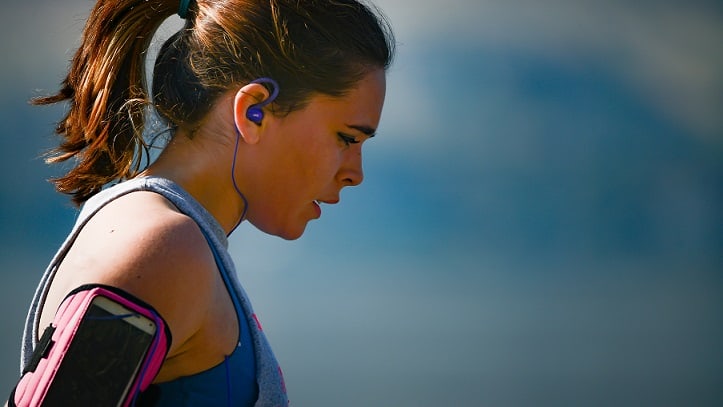
Runner standing with earphones connected to a phone in an armband, having stopped her run after feeling an unfamiliar pain, highlighting the importance of listening to your body to prevent injuries.

Wearing uncomfortable running shoes can easily lead to injury, but comfort alone doesn’t guarantee injury prevention. The right pair of shoes can help alleviate pain and reduce injury risk by supporting proper running mechanics.

Different shoes can influence how you run by affecting your foot strike, stride length, and overall form. To avoid injuries, it’s important to choose shoes that match your foot anatomy and running style.
Here are some important tips for selecting the right running shoes:

Road vs. Trail Running Shoes:

If you run on uneven, rocky terrain, opt for trail running shoes, which provide the extra support and grip needed for off-road running.

Foot Type & Pronation:

  1. Neutral Shoes: Most runners can benefit from neutral shoes, designed for those with a normal foot structure and minimal pronation.
  2. Support Shoes: If you have moderate pronation (the inward roll of the foot when it strikes the ground), look for shoes with added support to prevent injury.
  3. Motion Control Shoes: For runners with severe pronation or flat feet, motion control shoes offer the extra stability needed to maintain proper posture and reduce injury risk.

Shoe Size:

Running shoes should generally be one size larger than your everyday shoes to accommodate foot swelling during runs.

Mileage Matters:

Just like car tires, running shoes wear out over time. The recommended mileage for most running shoes is between 300 to 500 miles (or 480 to 800 kilometers), depending on factors like shoe quality, running surface, and your running style.
Don’t exceed this range, and avoid running in old shoes, even if they hold sentimental value, as worn-out shoes increase the risk of injury.

Lastly, when transitioning to a new type of running shoe, make the switch gradually to give your body time to adjust and avoid injuries.


For more tips on selecting the best running shoes, check out our guide: What to Look for When Buying Running Shoes.
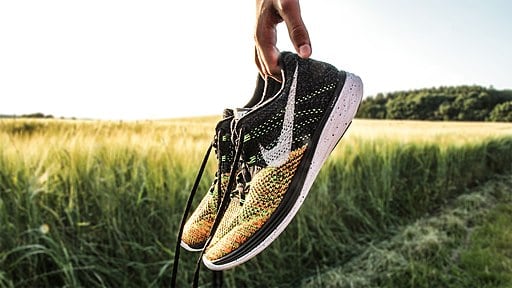
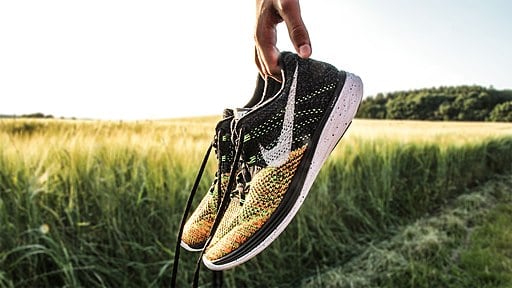
Runner holding running shoes: How to Choose the Right Shoes for Your Feet and Running Activity

Overtraining is a primary cause of injuries and burnout among runners. To prevent minor discomfort from escalating into serious injuries, it’s essential to cut back on your overall mileage by 40% to 60% every fourth week. This recovery period not only helps to alleviate any emerging issues but can also enhance your performance in the long run.

During these “recovery weeks,” don’t worry about losing fitness; instead, consider incorporating cross-training activities to maintain your aerobic fitness. For more information on effective cross-training options, check out the article by Peloton: The Runner’s Guide to Cross Training.

Boost Your Running Performance: Prevent Injuries with the Down Week Rule.

Recognizing Overtraining

It’s important to be aware of the signs of overtraining. Here are 10 common symptoms to watch for:

  1. Persistent injuries or muscle pain
  2. Decline in performance
  3. Legs feeling heavy and fatigued
  4. Ongoing fatigue
  5. Increased irritability and mood swings
  6. Feeling slower and weaker
  7. Loss of motivation
  8. Reduced appetite and unintentional weight loss
  9. Irregular menstrual cycles
  10. Elevated resting heart rate

If you experience several of these symptoms, it may be time to adjust your training plan and prioritize recovery to prevent injuries and maintain your running progress.
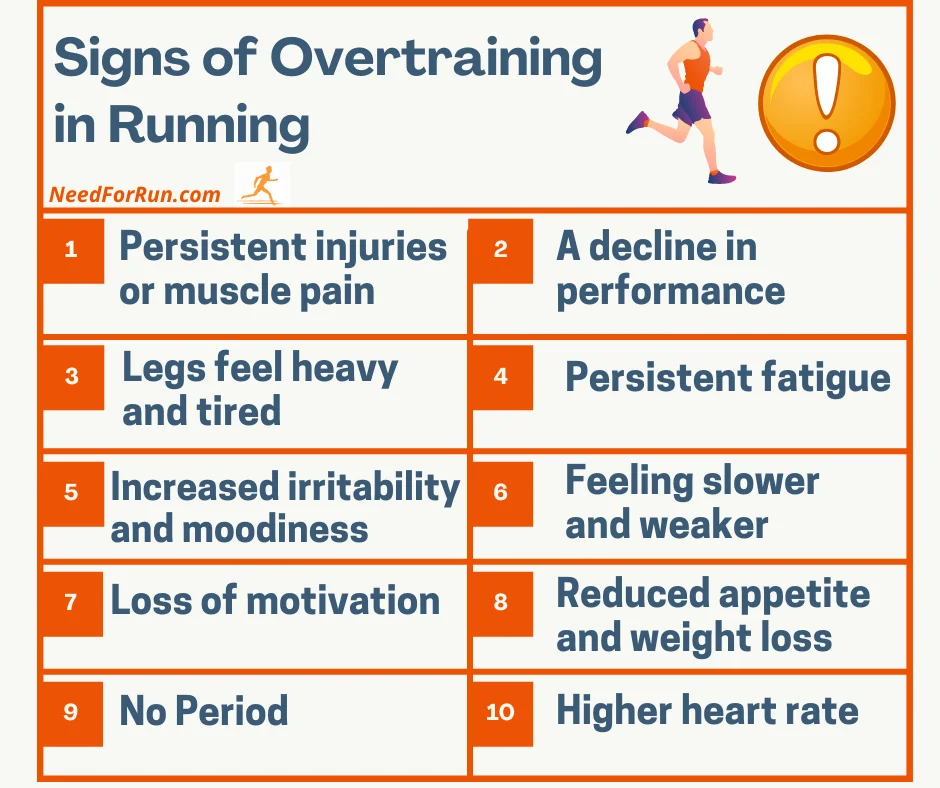
10 symptoms of of overtraining in running

Proper running technique is essential not only for enhancing your performance but also for preventing injuries. While there’s ongoing debate about whether a single correct running technique exists or if it varies by individual, most experts agree on the following guidelines:

  • Posture: Lean slightly forward from your ankles while maintaining a neutral spine. This position helps create a more efficient running form.
  • Hip Engagement: Run from your hips and drive forward with your knees. This encourages powerful strides and reduces unnecessary strain on your legs.
  • Upper Body Position:
    • Keep your upper torso upright and your head up, with your eyes focused ahead.
    • Relax your shoulders and pull them slightly back to promote good posture.
    • Swing your arms naturally, keeping your elbows bent at about 90 degrees and close to your body to maintain balance and momentum.
  • Foot Strike: While many runners, including elite athletes, are heel strikers, it’s advisable to aim for a forefoot or midfoot landing. This technique helps reduce stress on your joints and can lead to a more efficient stride.

By incorporating these guidelines into your running technique, you can improve your performance while minimizing the risk of injury.

The video below by Salming Running effectively demonstrates the principles of proper running technique.

SALMING RUNNING WHEEL | by Salming Running ( (02:57)

Always be mindful of the surface you’re running on, as uneven terrain can lead to injuries like twisted ankles or falls. This is especially important in trail running, where bumps, holes, and stones are common hazards. Stay alert to avoid tripping or stumbling.

When running on steep or rocky terrain, avoid unnecessary risks, particularly on slopes or when climbing over loose rocks. It’s better to slow down and proceed with caution than to risk injury.

Even when running on roads or in urban areas, terrain awareness is crucial. Be on the lookout for obstacles like vehicles, cyclists, and other hazards, and always take extra care when crossing roads. Staying alert helps you prevent accidents and ensures a safer run.

Proper nutrition plays a critical role in supporting your running performance and preventing injuries.

Hydration Guidelines:

  • Before your run: Stay hydrated by drinking 16-20 ounces of fluids about two hours before a workout or race, and 8-10 ounces just before warming up.
  • During your run: Sip 6-8 ounces of fluids every 20 minutes, and drink more if you feel thirsty—but avoid overhydration.
  • For long-distance runs: It’s important to maintain glycogen levels in your muscles. Use energy gels or similar alternatives to keep your energy up during extended workouts or races.
  • After your run: Replenish lost fluids by drinking 20-24 ounces of fluid for every pound of body weight lost during the run.

Fuel Your Body:

To avoid dehydration and heat exhaustion, it’s ideal to drink 4-8% carbohydrate drinks before, during, and after your runs. These drinks help replenish glycogen in your muscles and aid recovery. For long runs, energy gels or other quick sources of carbohydrates can keep your energy levels up and help sustain performance.

Essential Nutrients:

Magnesium is a key mineral that supports over 300 biochemical reactions in your body, including muscle recovery, metabolism, and relaxation. Magnesium is especially important for runners, yet many people are deficient. Focus on eating magnesium-rich foods such as leafy greens, nuts, and seeds, or consider supplements. Runners can safely consume up to 800mg of magnesium per day to promote recovery and prevent cramps.

Nutrition for Runners - A display of magnesium-rich foods, including leafy greens, chickpeas, fish, nuts, quinoa, whole grains, and dark chocolate muffins, promoting muscle recovery and energy replenishment for runners.
Nutrition for Runners: Foods Rich in Magnesium

Post-Workout Recovery:

After running, having a post-workout meal is crucial for muscle repair and energy replenishment. Aim for a balanced meal with a good mix of carbohydrates, protein, and fats to support recovery. Combining proper hydration with nutrient-rich meals will help you bounce back quickly and prepare for your next run.

As you build up your mileage, remember that the more you run, the more recovery time your body needs to adapt to the increased training load. If you’re aiming to prepare for a marathon from scratch in a short time, like within a year, rushing your training could lead to injury. Your body follows its own pace, and it’s important to respect that rhythm rather than pushing too hard, too soon.

Here are some key guidelines for gradual, safe progress:

  • Slowly increase your running distance, especially if you haven’t run that much before or it’s been a while since you’ve covered such mileage.
  • Stick to the “10% rule”— avoid increasing your weekly mileage by more than 10% compared to the previous week. Rapid increases in mileage can lead to overuse injuries. For instance, if you usually run 20 miles a week, don’t jump to 30 miles in just one week.
  • Remember that progress shouldn’t be linear. Every fourth week, cut back your mileage and intensity by 40% to 60%. This helps prevent minor aches or strains from turning into major injuries, allowing your body to recover and get stronger.

To enhance your running performance and prevent injuries, it’s crucial to strengthen the muscles that support your running, including your core, skeletal muscles, and torso. While you can’t change your anatomy, you can improve both your strength and flexibility, which are key to becoming a more efficient and resilient runner.

Incorporating strength training into your routine helps reduce the repetitive strain on your running muscles. By diversifying your workouts, you give those muscles a break while still improving your fitness. Here are some ways to do this:

  • Include at least one high-intensity workout per week, such as spinning, cycling, swimming, or using an elliptical machine. These activities boost your aerobic capacity while allowing your running muscles to recover between runs.
  • Cross-training is also an excellent way to balance your training and prevent overuse injuries that can result from the repetitive impact of running. It works for different muscle groups while reducing the risk of burnout, keeping your training fresh and your body injury-free.

Spinning training on a stationary bike, focusing on building cardiovascular endurance and leg strength. This exercise is a recommended form of cross-training for runners, helping to improve aerobic fitness while giving the running muscles time to recover.

Yoga for Runners

Incorporating yoga into your routine is an excellent way to strengthen and lengthen muscles, maintain joint flexibility, and improve circulation. These benefits help reduce the risk of injury and support long-term running performance.

Yoga also enhances mental focus, which can be a game-changer during races, helping you stay calm and centered when challenges arise.

Rather than committing to a single 60-minute yoga session each week, it’s more beneficial to practice yoga for just 5 minutes daily. By focusing on areas relevant to your running, such as the hips, hamstrings, and core, you can integrate yoga into your warm-up or cool-down routines to maximize its benefits without overwhelming your schedule.

A group of people practicing yoga on a sandy beach, engaging in various poses while facing the instructor. This form of yoga enhances muscle strength, flexibility, and mental focus, which are beneficial for runners to prevent injuries and improve overall performance.
Practicing Yoga – Image by Patricia Alexandre from Pixabay

Without adequate sleep, your body struggles to repair itself, which can lead to decreased performance, persistent fatigue, and a higher risk of burnout and injuries. Make it a priority to get 7-9 hours of quality sleep per night, especially during periods of intense training.
Recovery is just as important as the workouts themselves if you want to keep progressing as a runner.

Training stresses the body physically, causing micro-damage to muscles that need time to heal. True recovery and performance improvements occur during rest, with sleep being one of the most critical components.


Both warming up and cooling down are essential for optimizing performance and preventing injuries. A proper warm-up prepares your body for the physical demands of running, while a cool-down helps your muscles recover and reduces the risk of post-run stiffness or injury.

Here’s a simple 3-step warm-up routine to follow before running:

  1. Joint Mobility: Start with dynamic movements like leg swings or arm circles to lubricate and activate your joints.
  2. Technique Drills: Perform short drills such as high knees or butt kicks to improve your running form.
  3. Light Jogging or Walking: Gradually increase your heart rate with a few minutes of brisk walking or easy jogging.

For more details on warm-up techniques, visit 3 Steps to Warm Up Before Running.


To ensure an effective cool-down:

  1. Easy Jogging/Walking: Slow down with a few minutes of light jogging followed by walking to help your heart rate return to normal.
  2. Static Stretching: Focus on holding stretches for major muscle groups (hamstrings, quads, calves) for 20-30 seconds each to aid in flexibility and recovery.

For additional cool-down guidance, check out Cool Down After Running.
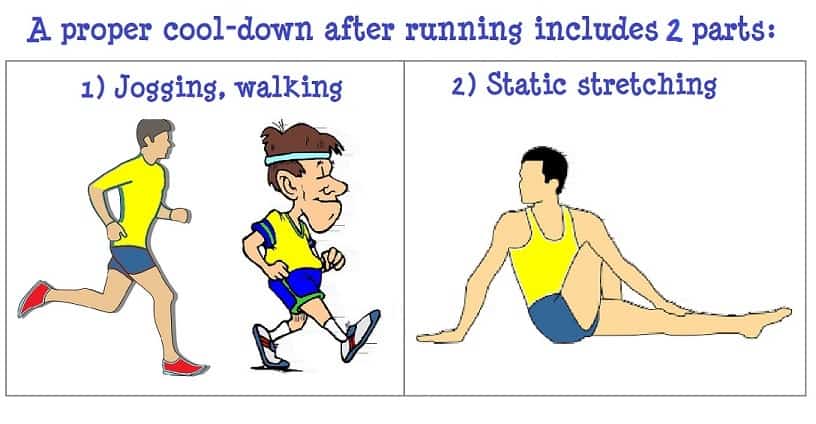

Illustration demonstrating the two key parts of a proper cool-down after running: 1) Jogging or walking to gradually reduce heart rate, and 2) Static stretching to relax and lengthen muscles.
A proper cool-down after running involves light jogging or walking, followed by static stretching to aid muscle recovery.

Why do I keep getting injured running?

Most running injuries occur when there’s a sudden increase in training volume or intensity without proper technique adjustments. Whether you’re training for a marathon or trying to get in shape, it’s crucial to gradually build up your endurance, allowing your body time to adapt.

Will running daily cause injury?

Running every day can increase the risk of overuse injuries like shin splints or tendonitis if not managed carefully. However, it can be done safely by incorporating rest days with light runs or cross-training, varying intensity, and paying close attention to your body’s signals. It’s important to mix up paces and surfaces to avoid repetitive strain on the same muscles and joints. Proper recovery and listening to your body are key to avoiding injuries from daily running

Should you run on an injury?

If you’re experiencing persistent pain or an injury, stop running immediately. Continuing to train through pain can worsen the issue and prolong recovery. Give your body a few days of rest, and only return to running cautiously if the pain subsides.

What is the 10% rule in running?

The 10% Rule advises runners to increase their weekly mileage by no more than 10% each week. For instance, if you’re currently running 20 miles per week, aim to add no more than 2 extra miles the following week. This gradual approach helps prevent overuse injuries.

Do runners need to strength train?

Absolutely. Strength training plays a key role in improving a runner’s performance. It builds stronger muscles and joints, helping you run more efficiently and reducing the likelihood of injury. To maximize your potential, incorporate strength training into your routine alongside your running.
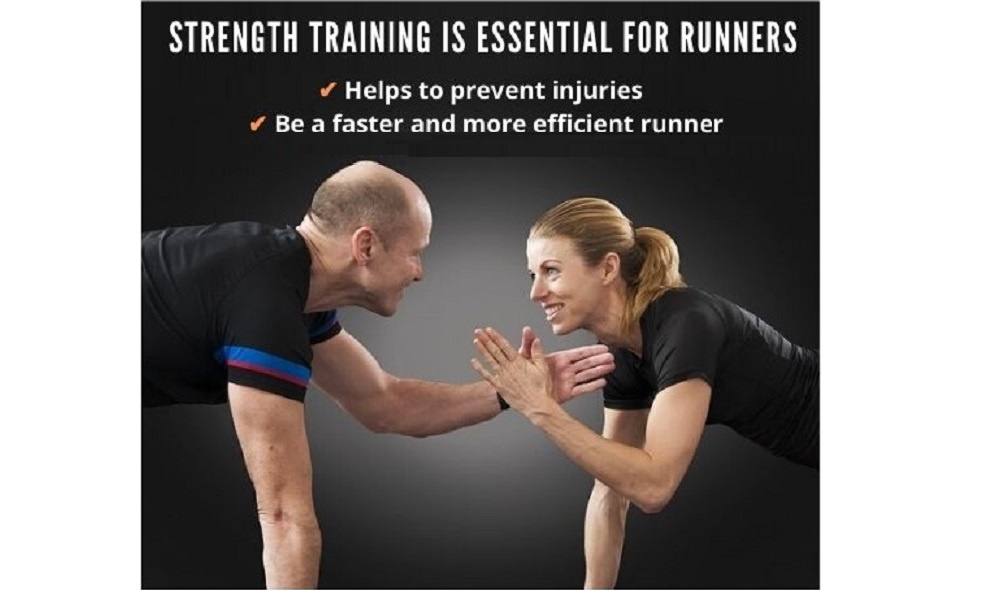

Strength training is essential for preventing running injuries and improve performance


Posted on Leave a comment

Heart Rate Monitor Watches – Stay On The Pulse

Heart rate monitor watches

A heart rate monitor watch is more than just another running accessory – it’s an essential tool for improving your fitness and staying on top of your health. By providing real-time data on your heart rate, this device helps you optimize your workouts, manage stress levels, and track your overall heart health.

1. What is a Heart Rate Monitor Watch?

A heart rate monitor watch is a wearable device that measures your heart rate in beats per minute (bpm) using sensors on the wrist. It provides real-time data on your heart rate, allowing you to track your fitness and health.

With advances in technology, many heart rate monitor (HRM) watches now include additional features such as GPS tracking, running power measurement, training programs, and more. Smartwatches also often include heart rate monitoring capabilities, along with a wide range of other features, such as step counting, calorie tracking, sleep monitoring, smartphone notifications, and even mobile payments.

2. Why is Heart Rate Monitoring Important for Runners?

Heart rate monitoring is important for running for several reasons. Firstly, it can help you improve your cardiovascular fitness. By tracking your heart rate, you can measure your progress and see if your fitness level is improving. As your cardiovascular fitness improves, your resting heart rate should decrease. While running, your heart rate can also indicate if you are pushing yourself too hard or if you can increase the intensity to reach your target heart rate zones.

Another important reason to monitor your heart rate while running is for your health. While a high heart rate during exercise can indicate that you are improving your fitness level, it can also be a sign of heart trouble. A heart rate monitor watch can provide accurate information about your heart rate and alert you if it reaches dangerous levels.

Heart rate monitoring can also be useful for heart rate training and for pacing yourself during runs. For example, if you are recovering from an injury, you may want to run at an easy pace and avoid pushing yourself too hard. A heart rate monitor watch can help you stay within a safe and comfortable heart rate zone.

In addition to monitoring your heart rate, many heart rate monitor watches also provide other useful features such as calorie tracking, fat-burning measurement, resting metabolic rate calculation, and more. These features can provide comprehensive information about your physical fitness status and help you track your progress over time.

3. Benefits of Using a Heart Rate Monitor Watch

Using a heart rate monitor watch can provide many benefits for both athletes and non-athletes alike. Some of the key benefits include:

• Improving athletic performance: By providing real-time data on your heart rate, a heart rate monitor watch can help you optimize your workouts and improve your athletic performance.

• Managing stress levels: Monitoring your heart rate can also help you manage stress levels by providing insight into how your body responds to different stressors.

• Tracking heart health: Regularly monitoring your heart rate can help you track your overall heart health and identify any potential issues early on.

In summary, using a heart rate monitor watch can help you improve your fitness, manage stress, and maintain good heart health.

4. Which Heart Rate Monitor Watch Should I Choose?

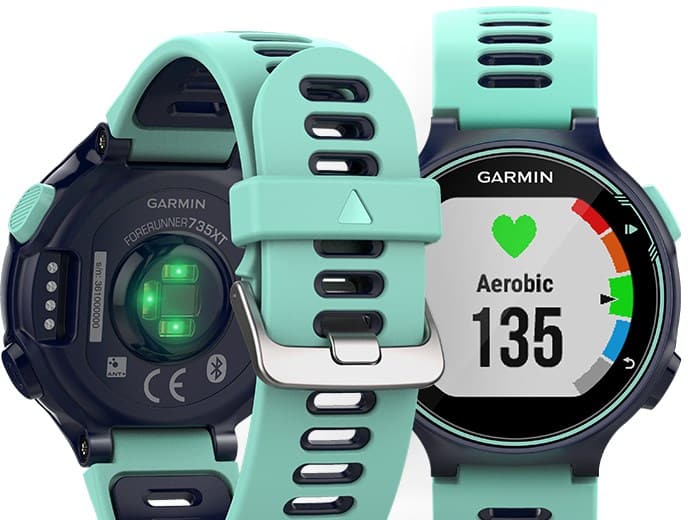
When choosing a heart rate monitor watch, it’s important to consider the two main types of heart rate monitoring technology: optical and chest strap.

Type 1 – Optical Heart Rate Monitoring

Optical heart rate monitors, such as those found in fitness trackers like Fitbit, Polar, and Garmin, as well as smartwatches like the Apple Watch and Samsung Gear, use an optical sensor to detect your pulse. The most common method for measuring heart rate using an optical sensor is called photoplethysmography (PPG). The sensor sends light waves into the skin and measures the amount of light scattered by blood flow. An algorithm then processes the data from these light signals and translates it into a pulse reading.

High-quality optical heart rate monitors use multiple light wavelengths to account for differences in skin and tissue. However, wrist movement during exercise can produce noise that interferes with the heart rate measurement, making optical technology less accurate than chest-strap technology. Despite this, optical heart rate monitors are more comfortable and easier to wear and do not cause chafing.

Heart Rate Monitor Watch with optical technology - Garmin Forerunner

Heart Rate Monitor Watch with optical technology 
(Garmin Forerunner)

Type 2 – Chest-Strap Heart Rate Monitoring

How Does it Work?
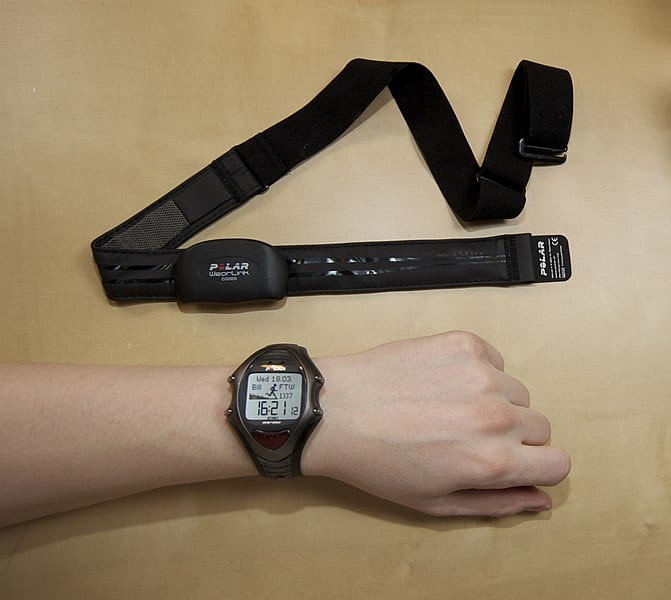
Chest-strap heart rate monitors use electrical pulse technology to detect the small electrical signals that prompt the heart’s muscles to contract. A wireless electrocardiography sensor on the chest strap detects these signals and transfers the pulse data to a wristwatch, which displays the heart rate.

This method provides the most accurate heart rate measurement during exercise. However, chest-strap heart rate monitors can be less comfortable to wear than optical heart rate monitors. It can take some time to get used to wearing a chest strap, and it may need to be adjusted during exercise to ensure a secure fit. Despite this, many runners find that they quickly adapt to wearing a chest strap and appreciate its accuracy.

Chest-strap heart rate monitor

4.1 Comparison between Optical and Chest-Strap Heart Rate Monitoring

When choosing a heart rate monitor watch, it’s important to consider the two main types of heart rate monitoring technology: optical and chest strap. Here is a comparison chart that summarizes the differences between the two:

FeatureOptical Heart Rate MonitoringChest-Strap Heart Rate Monitoring
AccuracyLess accurate due to wrist movement during exerciseMore accurate due to direct contact with the chest
ComfortMore comfortable and easier to wearLess comfortable, may require adjustment during exercise
ConvenienceNo additional equipment requiredRequires wearing a chest strap
PriceGenerally more expensive due to additional featuresGenerally less expensive

In summary, optical heart rate monitors are more comfortable and convenient to use but may be less accurate than chest-strap heart rate monitors. Chest-strap heart rate monitors provide more accurate readings but may be less comfortable to wear and require additional equipment.

4.2 Watches with Both Optical and Chest-Strap Heart Rate Monitoring:

Some watches, such as the Suunto 9 GPS Sports Watch, offer both optical and chest-strap heart rate monitoring capabilities. These watches provide the convenience and comfort of optical heart rate monitoring, while also allowing for the option of using a chest strap for increased accuracy during exercise. This can be particularly useful for runners who want the flexibility to choose between the two types of heart rate monitoring depending on their needs and preferences


4.3. How Important is Heart Rate Accuracy?

While heart rate accuracy is important, it is not as crucial as staying within your target heart rate zone during exercise. However, accuracy does become more important when measuring heart rate recovery after exercise, which refers to how quickly your heart rate returns to its normal resting rate. Heart rate recovery time can provide valuable information about your fitness level and overall health.

4.4. Choosing a Heart Rate Monitor Watch that Fits Your Budget

If you are on a low budget, you can find a reliable and easy-to-use chest-strap HRM that does Its main job of accurately measuring the heart rate for a relatively low price. For example, the Polar Ft1 Heart Rate Monitor.

There are many heart rate monitor watches available at different price points, so it’s important to choose one that fits your budget. If you are on a tight budget, you can find reliable and easy-to-use chest-strap heart rate monitors that accurately measure your heart rate for a relatively low price, such as the Polar Ft1 Heart Rate Monitor or Fitbit Charge 5 with an optical heart rate monitor.

If you have a larger budget, you may want to consider an optical heart rate monitor watch with additional features beyond just heart rate monitoring. For example, the Garmin Fenix 7 is a sophisticated multisport watch with GPS and GLONASS satellite reception. In the premium category, you can find high-quality watches like the Apple Watch Ultra, which includes precision dual-frequency GPS, up to 36 hours of battery life, and the freedom of cellular.

5. Heart Rate Training with a Heart Rate Monitor Watch

Once you have purchased a heart rate monitor watch, you can use it to follow heart rate training programs. If your watch does not have a built-in feature for calculating heart rate zones, the first step is to determine your Maximum Heart Rate (MHR).

There are several methods for calculating your MHR. One simple and commonly used formula is to subtract your age from 220. For example, if you are 35 years old, your MHR would be 220 – 35 = 185. Another way to determine your MHR is to use a heart rate monitor watch while running. Start by running a mile at an average pace, then increase your speed over the next 1300 ft until you reach your maximum speed. The highest heart rate recorded on your watch during this exercise should be your MHR.

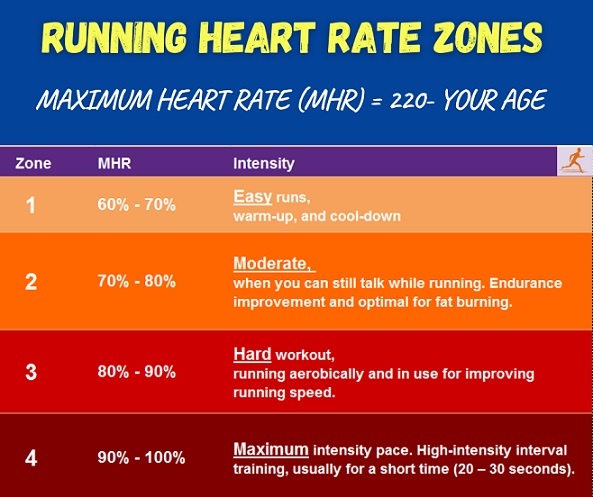
Once you know your MHR, you can calculate your heart rate training zones. Most running heart rate training programs differentiate between four zones:

Zone 1: 60-70% of your MHR. This zone is used for easy runs, warm-ups, and cool-downs.

Zone 2: 70-80% of your MHR. This zone is used for moderate running, where you can still talk while running. It is optimal for improving endurance and burning fat.

Zone 3: 80-90% of your MHR. This zone is used for hard workouts and aerobic running and can help improve running speed.

Zone 4: 90-100% of your MHR. This zone is used for maximum-intensity workouts, such as high-intensity interval training (HIIT), and is typically only sustained for short periods of time (20-30 seconds).

How To Run Using Heart Rate Zones | Running Training For Triathlon | by Global Triathlon Network (06:59)

Tips for Using a Heart Rate Monitor Watch Effectively

A heart rate monitor watch can be a valuable tool for tracking your fitness and health, but it’s important to use it correctly to get the most accurate and useful data. Here are some tips for using a heart rate monitor watch effectively:

• Wear it correctly: Make sure the watch is snug against your skin and positioned correctly on your wrist. Consult the manufacturer’s instructions for specific guidance on how to wear the watch.

• Understand the data: Take some time to learn about heart rate zones and what they mean for your fitness and health. Use the data from your heart rate monitor watch to track your progress and adjust your workouts accordingly.

• Calibrate the watch: If your heart rate monitor watch allows for calibration, take the time to calibrate it for increased accuracy.

• Keep it clean: Clean the watch regularly, especially the sensor, to ensure accurate readings.

By following these tips, you can use your heart rate monitor watch effectively to track your fitness and health.


➤ Frequently Asked Questions About Watches with Heart Rate Monitor

How does a wrist-based heart rate monitor watch work?

Wrist-worn heart-rate monitors use light to measure your pulse. They shine a light into the blood vessels in your wrist and then detect the changes in blood volume that occur each time your heart beats and push blood through your body.

How can I improve my watch’s heart rate monitor accuracy?

Answer: To improve accuracy try to avoid:
1) Wearing the watch too loose – Make sure the sensor is always in direct contact with your skin. So, you shouldn’t be able to see the light shining from the sensor.
2) Wearing the watch too tight – Wearing the watch extremely tight can cut off blood flow and reduce the sensor’s ability to monitor heart rate.

Is it worth getting a heart rate monitor?

Answer on WebMD: If you want to save money by taking your pulse, go ahead. Heart rate monitors are by no means an essential tool for fitness or even competition. “A heart rate monitor isn’t necessary for anyone,” says running coach Matt Fitzgerald, author of The New Rules of Marathon and Half-Marathon Nutrition.

What is the benefit of a heart rate monitor?

With a heart rate monitor, you’ll be safer during your workouts. Most devices and systems calculate calories burned to take only workout duration and distance into account. With heart rate monitoring, you can add intensity as a factor to get much more accurate results and know exactly how many calories you’ve burned!

What is the recommended Heart Rate Zone for long runs?

There recommended Heart Rate Zone for long runs is 𝟳𝟬% of your Maximum Heart Rate (MHR), i.e. 𝗭𝗼𝗻𝗲 𝟮 in the picture below.

Running Heart Rate Zones: Easy: 60% - 70%, Moderate: 70% - 80%, Hard: 80% - 90%, Maximum: 90% - 100%


Posted on Leave a comment

8 Tips For Running In The Heat And Humidity

Tips for Running in the Heat

Summer brings sunshine and warmth, but it also brings high temperatures and stifling humidity, making running a challenging task. However, fear not! With the following eight essential tips, you can conquer the heat and humidity, ensuring your runs remain enjoyable, safe, and successful even in the face of demanding weather conditions.


When running in the heat, our bodies undergo increased exertion compared to cooler weather. This necessitates a thoughtful consideration of the heat’s impact, both during our runs and when planning our training program.

The body expends significant energy in cooling itself, resulting in the alteration of several physiological parameters that affect our running performance. These include our pulse, breath, and lactic acid levels.

To regulate body temperature, blood flow is redirected to the skin’s surface, resulting in reduced blood supply to our muscles. As a result, the heart has to work harder, pumping more blood to compensate, leading to an elevated heart rate.

Therefore, it is crucial to pay closer attention to our bodies and their needs when running in hot weather. By being attentive to our body’s signals during runs, we can avoid potential issues that could jeopardize our overall health.

Acclimatization To Hot Weather:
During summer, our bodies adapt to the heat through acclimatization (adjusting to the temperature). It takes about 10 to 14 days for this gradual adjustment to occur. Understanding acclimatization helps us make informed decisions for safe and enjoyable running in hot weather.


Here Are 8 Essential Tips for Running in Hot Weather:

When confronted with hot days, it’s advisable to plan your runs during the cooler periods, which are typically early morning before sunrise or in the evening after sunset. This timing helps you avoid the peak heat and allows for a more comfortable running experience.

In locations with low humidity levels, running in the late evening may be a better option. During this time, temperatures tend to be cooler, and humidity is generally lower compared to the early morning. Opting for the late evening can enhance your overall running conditions and contribute to a more enjoyable workout.

In regions with high humidity, moisture levels are typically higher in the early morning and at night. To combat this, running early in the morning during the hottest months of the year is best. Starting earlier means cooler temperatures, which is important because heat and humidity can make it difficult for your body to regulate its core temperature, which is necessary for optimal performance and survival.

Choosing the right attire for running in hot weather is crucial for maintaining comfort and preventing overheating. Here are some tips to help you stay cool and comfortable:

Choose Moisture-Wicking Shirts: Opt for shirts made from materials like Dri-Fit that wick away sweat and promote evaporation, keeping you cooler during your runs. Bright colors with minimal writing can further enhance sweat evaporation.

Invest in UPF Sun Protection Fabric: Protect your skin from harmful UV rays by choosing shirts with Ultraviolet Protection Factor (UPF) sun protection fabric. This fabric not only shields your skin but also promotes breathability.

Shield Yourself from the Sun: If you’re running under direct sunlight, consider wearing a bright, preferably white, Dri-Fit hat to protect your head and face. Don’t forget to wear runners’ sunglasses and apply a high-SPF sunscreen to protect your skin.

Opt for Moisture-Wicking Running Socks: Swap your regular cotton sports socks for specialized running socks with moisture-wicking technology. These socks manage moisture and sweat effectively, keeping your feet dry and temperature-controlled.

Select Lightweight, Breathable Shorts: Choose running shorts made from lightweight, breathable fabrics that allow optimal airflow and ventilation. This aids in heat dissipation and reduces excessive sweating.

Ensure a Good Sports Bra: For female runners, a well-fitting, supportive sports bra is essential. Look for bras made from moisture-wicking fabrics that provide adequate airflow and manage sweat effectively.

Consider Cooling Accessories: Boost your comfort with cooling accessories like cooling towels or other items designed for instant relief in hot weather. These accessories can be soaked in water, wrung out, and worn on your body to help regulate temperature.

BMJL Women's High Waist Running Shorts: Super comfortable and flattering sports shorts with a zipper pocket.
BMJL Women’s High Waist Running Shorts: Super comfortable and flattering sports shorts with a zipper pocket.

Remember, the key is to stay cool and comfortable while running in the heat.


When it’s hot, our body needs more fluids to cool itself and prevent dehydration. Therefore, it’s crucial to drink plenty of fluids, preferably cold, but not too cold.

Why Hydration is Important

Proper hydration helps maintain your body’s balance of fluids, regulates body temperature, and ensures the proper function of muscles and joints. It also helps transport nutrients to give you energy and keep you healthy. If you’re not hydrated, your body can’t perform at its highest level.

Before the Run

Start hydrating well before you begin your run. Aim to drink 16 to 20 ounces of water at least 4 hours before your run. Then, about 15 to 30 minutes before you start, drink another 8 to 10 ounces. This gives your body enough time to process the fluids and prepare for the physical exertion.

During the Run

While running, it is recommended to drink a small amount of water every few minutes rather than a large amount at once. This will enable the water to cool the body instead of mainly filling the bladder.
Aim to consume 6 to 8 ounces of fluids every 15 to 20 minutes. However, this can vary based on your sweat rate, the heat, and the intensity of your run.

Especially on long runs, consider an isotonic sports drink that contains electrolytes, which are required for regulating your body’s water balance and for increasing your water absorption rate. An isotonic drink is easily absorbed and quickly leaves the stomach to ensure optimal efficiency and comfortable digestion.

Remember, the goal is to replace the fluid you’re losing through sweat, so adjust your intake based on the intensity of your run and the heat of the day.

After the Run

Post-run hydration helps with recovery. Drink 20 to 24 ounces of water for every pound lost during the run. Don’t rely solely on thirst; it’s not always an accurate indicator of your body’s fluid needs.

Additional Tips

Avoid dehydrating drinks such as coffee, tea, and sweetened juices, and especially avoid drinking alcohol before running.
Stay hydrated on long runs by carrying a sports bottle, or hydration pack, or wearing a water belt for convenient access to cool water or sports drinks.

Remember, everyone is different, so these are general guidelines. It’s important to listen to your body and adjust as necessary.


Stay hydrated while running in the Heat - Drinking water from bottles during the run.

When running in daylight hours, aim to plan your run along predominantly shaded routes, particularly toward the end of your run. Running in shaded areas can provide relief from direct sunlight and help lower the ambient temperature, making your run more comfortable.

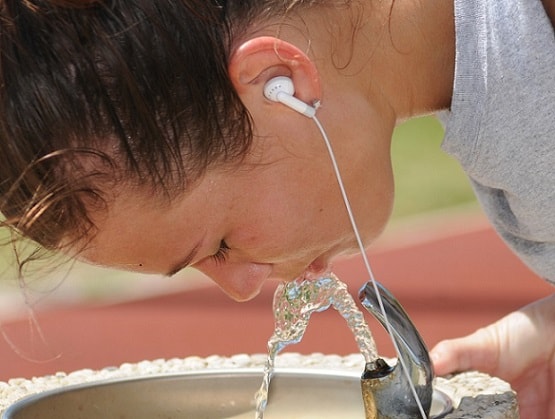
Additionally, prioritize routes that have drinking fountains or water stations along the way. These hydration stations allow you to replenish fluids as needed and keep your body properly hydrated.
As you come across these stations, take advantage of the opportunity to cool your body down by pouring water on your head, neck, and wrist joints. This simple technique helps facilitate evaporation, aiding in the body’s cooling process and providing a refreshing sensation throughout your run.

Drinking from water fountain for staying hydrated while running in the summer
Drinking from a water fountain while running on a hot day

Don’t underestimate the significance of maintaining a healthy and balanced diet on warmer days. As a runner, it is crucial to consume nourishing foods that are rich in nutrients essential for runners and high in electrolytes.
Consider adding the following options to your diet (assuming no health restrictions):

  • Watermelon has more than 90 percent water and is rich in potassium, vitamin C, magnesium, lycopene, and cucurbitacin E (an antioxidant).
  • Peaches are a good source of potassium, beta-carotene, and vitamin C.
  • Avocado is a superfood for runners, rich in nutrients, vitamins B and C, monounsaturated fat, and potassium.
  • Blueberries have antioxidants and anti-inflammatories that help muscle recovery after running.
  • Potatoes contain sodium and potassium (in the peels) are two main electrolytes that can help restore electrolyte balance.
  • Almonds are filled with minerals, including potassium for heart health, calcium for bone health, and magnesium for energy production and electrolyte balance. They also contain iron, B complex vitamins, and vitamin E, which is a potent antioxidant with anti-inflammatory properties.

Electrolytes are minerals in your body that have an electric charge. They are in your blood, urine, tissues, and other body fluids. Electrolytes are important because they help: Balance the amount of water in your body. Balance your body’s acid/base (pH) level.”

“Fluid and Electrolyte Balance” – MedlinePlus.

Prioritize Post-Run Recovery: Essential Protein for Optimal Replenishment:
Replenishing fluids and energy after a run is crucial for your body’s recovery. The post-workout meal holds great significance, and it should prioritize including protein to support optimal recovery after running.

Nutrition for hot weather running - 
Basic Nutrition at Glance: Fruits, Grains. Vegetables, Protein
Basic healthy nutrition is made up of the five food groups in a plate template that you can follow to maintain a healthy diet.
Credit to USDA’s Center for Nutrition Policy and Promotion

Sweat is not just water; it contains vital minerals like sodium, potassium, calcium, and magnesium. When running in hot weather and sweating profusely, there is a risk of significant sodium loss, which can lead to low blood sodium levels (Hyponatremia).

To replenish electrolytes, especially sodium, that are lost through sweat during long runs, salt tablets can be an excellent option. These tablets help restore essential electrolytes, ensuring proper hydration and reducing the risk of heat cramps and muscle pain. It’s important to note that maintaining an appropriate level of sodium is crucial for your overall health, as extremely low sodium levels can pose serious risks.

Prioritizing proper electrolyte balance, including sodium replenishment through salt tablets, can greatly enhance your performance and help you stay safe during hot weather runs.

For guidance on the appropriate dosage and usage of salt tablets, consult with a healthcare professional or a sports nutritionist to determine what suits your specific needs.

Heat-Related Illness: Recognizing the Symptoms

When running in the heat, it’s crucial to be aware of the prime injury risk: heat-related illness.
If you experience any of the following symptoms, it may indicate Heat Exhaustion or Heat Stroke. In such cases, it’s essential to take immediate action: stop running, find a shaded area, and seek help.

➤ Look out for signs such as dizziness, decreased muscle coordination, weakness, vomiting, muscle cramps, loss of balance, disorientation, confusion, unusual headache, or hyperventilation.

➤ Another indicator of heat-related illness or dehydration is a sudden increase in your heart rate, surpassing your regular pulse intensity. This emphasizes the importance of running with a heart rate monitor watch, as it can help you detect any irregularities and take appropriate precautions.

Managing Expectations: Performance in Hot Weather

In hot temperatures and high humidity, it’s important to acknowledge that running performance tends to decrease. Therefore, it’s advisable not to push yourself to break personal records on scorching days, as doing so can jeopardize your health. Instead, prioritize your well-being and adjust your expectations accordingly.

Listening to Your Body: Pay Attention to Pain

While running, always pay close attention to your body’s signals. If you experience a new and unfamiliar pain, it’s advisable to slow down your pace or even stop if necessary. Ignoring pain signals can lead to further injury or complications.

Preventing Chafing: Lubrication is Key

Running in heat and humidity can often lead to chafing, causing discomfort and irritation. To combat this problem, it is highly recommended to apply an anti-chafing lubricant before embarking on your run, especially in areas prone to chafing. This straightforward yet effective preventive measure is invaluable in enhancing your running experience, minimizing unnecessary discomfort, and combating the challenges posed by heat and humidity.


By being attentive to these factors and taking proactive steps, you can ensure a safer and more enjoyable running experience in hot and humid conditions.
Remember to prioritize your health, listen to your body, and make adjustments as needed.

When facing scorching summer temperatures, don’t underestimate the option of treadmill running. Although it may not have the same appeal as outdoor running, a workout in an air-conditioned environment can be an excellent alternative on exceptionally hot days.

Furthermore, consider incorporating cross-training into your indoor workout routine. Engaging in activities such as cycling, swimming, or strength training in an air-conditioned space or at least a shaded area can offer valuable benefits. Cross-training not only helps improve muscular strength but also enhances cardiovascular endurance, complementing your overall fitness goals.

By embracing treadmill running and incorporating cross-training activities, you can maintain your training routine, stay cool, and continue making progress even during the sweltering summer months. Remember to adjust the intensity and duration of your workouts based on your fitness level and goals.

A man is running on a treadmill in a high-rise apartment with large windows showcasing a cityscape. The text overlay reads: "Treadmill Running Is a Good Option on a Warm Day." The bottom right corner displays the logo and website "NeedForRun.com."
Treadmill Running is a Good Option on A Warm Day

In conclusion, running in hot weather requires careful preparation and mindful practices. Remember to hydrate before, during, and after your run to replace the fluids lost through sweat. Adjust your running routine based on the temperature and listen to your body’s signals.

Dress appropriately in light, breathable clothing and protect your skin from the sun. Avoid dehydrating drinks, and especially avoid alcohol before running. Carry a sports bottle or wear a hydration pack for easy access to water during your run.

By following these tips, you can ensure a safe and enjoyable running experience, even in the heat.


8 Tips For Running In The Heat And Humidity | Video by Need For Run (04:42)

What temperature is too hot for running?

The exact temperature that is considered too hot for running can vary depending on individual tolerance and acclimatization. However, the Road Runners Club of America (RRCA) suggests avoiding running outside if the heat is above 98.6 degrees Fahrenheit (37 degrees Celsius) and the humidity is above 70-80%.
It’s important to note that both temperature and humidity play a role in how hot it feels outside, a measure known as the “heat index”. High humidity can make the temperature feel hotter and make running more challenging.
These are general guidelines; individual responses to heat can vary. Always listen to your body and take necessary precautions when running in hot weather.


How much does heat affect the running pace?

Studies reveal that runners averaging around a 5:45 pace or faster slow by approximately 1 second per mile for each 1.8°F (1°C) increase in temperature. Runners with an average pace of 7:25 to 10:00 per mile slow between 4 and 4.5 seconds per mile for each 1.8°F (1°C) increase above 59°F.


How can I stay cool while running in the heat?

1) Wear Light, Breathable Fabrics: Opt for light-colored, sweat-wicking materials. Ensure the clothing is something you’ve tested on a run before.
2) Pre-Run Hydration: Sip an icy drink before heading out.
3) Smart Route Choice: Plan your route to maximize shade and avoid the hottest areas.
4) Cool Your Neck: A study published in the Journal of Athletic Training suggests you may be able to run farther without fatigue if you hold an icy towel on your neck before starting.
5) Hydrate Regularly: Drink water every 15 minutes.
6) Cool Down with Water: Pour some water over your head during the run to stay cool.
7) Wear Thin Socks: Opt for thin, moisture-wicking running socks to prevent overheating.
Runner holding LERMX 17 oz Soft Water Bottle & Handheld Hydration Pack


How do you acclimate to running in the heat?

Gradually ease into heat training by starting with low-intensity runs. Quality runs can be done on a treadmill in a cool place. Depending on your usual running volume, fitness level, and natural heat tolerance, you may need to reduce your running volume slightly or significantly during the first days of heat exposure.


How do I get used to running in humidity?

To acclimate to running in humidity, follow these tips:

1) Gradually Increase Exposure: Start with shorter runs at a slower pace and gradually increase the distance and intensity.
2) Time Your Runs Wisely: Run during the cooler parts of the day, such as early morning or late evening, when humidity levels are lower.
3) Wear Lightweight, Breathable Clothing: Opt for clothing that allows for better airflow and moisture-wicking.
4) Stay Hydrated: Consume 4 to 8 ounces of fluids (sports drinks or water) every 15 to 20 minutes during your runs in humidity.
5) Monitor Your Weight: Weigh yourself before and after running. For every pound lost, replenish with 16 ounces of fluid.
6) Listen to Your Body: Adjust your pace or take breaks if you experience dizziness, fatigue, or signs of heat-related illness.


Posted on 2 Comments

Running Socks – Why You Need It and What to Look For When Buying

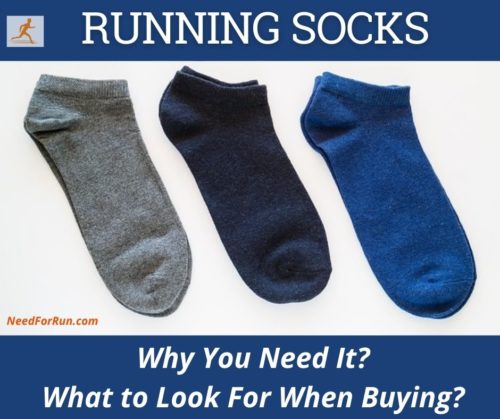
Running Socks – Why You Need It and What to Look For When Buying

We invest so much in running shoes and hardly notice the gap between the foot and the shoe – the sock.


This page contains affiliate links. If you make a purchase after clicking on a link we may earn a commission at no extra cost to you.


What are Running Socks?

Socks are designed especially for running, with extra protection for your feet, improve blood circulation, and foot health, and prevent blisters.

The fabric of running socks is breathable, and padded, and they absorb sweat, which means that the foot is drier than when wearing regular cotton socks.
These features provide temperature control and help in reducing foot problems, such as fungus, peeling, and friction blisters.

Additionally, running sock padding acts as a cushion to absorb shocks. That gives support and more protection to the legs, prevents friction with the shoe, and avoids Achilles tendon issues.

The Key Features of Running Socks:

  • Moisture-wicking technology keeps out moisture and sweat from the feet.
  • Quality stitching and without stitches in places where it will scratch your toes.
  • Usually, have anatomical design and elastic arch support that make them more comfortable and protect your feet.
    For a precise anatomical fit, several brands have also socks that conform to the left and right structure of the foot.
  • Geometric shapes in the fabric stimulate the blood and prevent movement of the foot in the shoe.
  • There are running socks with anti-bacterial technology that keeps the feet healthy and odor-free.

As said in the following review “Running Socks…Are they worth it?”, once you try them, you will not want to wear again regular socks.

EXPENSIVE Running Socks… Are they worth it? (FEETURES REVIEW) | By Jamison Michael (02:41 sec)

What to look for when buying running socks?

  1. Pleasant Materials  
    It is better to buy socks with a combination of natural fibers and synthetic materials. The popular materials in high-quality socks are nylon, wool, and polyester.
    Anyway, remember to avoid cotton, as it absorbs moisture.
  2. Comfort
    Pay attention to the stitches’ quality and where they are located.
    High-quality socks usually have seamless stitching that prevents rubbing and friction on the heel and toes.
    The cushion thickness should be thicker for cold days and thin for warm days.
    Additionally, more cushion on the ball and heel is suggested especially for trail running.
  3. Moisture Absorption
    The socks should wick sweat away from your feet and also repel water (helps in rainy winter runs).
    It is also recommended to choose socks with hypoallergenic and anti-bacterial features.
  4. Compression
    The compression improves blood circulation and reduces fatigue during and after the run.
    Also, the socks’ compression helps when recovering from injury.
  5. Reduced Friction Profile
    This is the ability of the sock to reduce movement within the shoe.
    There are fabrics with a higher level of friction than others and fabrics that slide. The running socks should have a better hold in the shoe, and smooth socks produce unnecessary micro-movement that can increase the level of friction.
Merino Wool Socks
Merino Wool Socks

So, are running socks worth it?
The answer is clearly yes. It costs more than regular sports socks, but it improves a runner’s life.

Running Socks’s Main Benefits

1) Helps to maintain good foot health
2) Prevent blisters
3) Prevent skin friction
4) Injury prevention
5) Reduce foot swelling and pain
6) Comfortability
7) Moisture-wicking


Frequently Asked Questions about Running Socks

Do running socks make a difference?

Not all socks are the same, and when it comes to running socks, a good pair of technical ones will make all the difference. Keeping your feet dry and comfortable will not only reduce your risk of blisters but keep you running confidently.

Should you wear compression socks while running?

There are no hard-and-fast rules about when to wear compression socks. Some runners like to wear them while running to increase circulation to their calves and lower-leg muscles. You can also slip them on after your shower to promote blood flow to your legs following a long run or hard session.

Benefits of Compression Socks for Runners: Aid athletic performance by improving circulation and blood flow, limiting exercise-induced peripheral edema of the lower extremity, supplying muscles with more oxygen, enhancing lactic acid removal, or decreasing muscle soreness during and post-exercise.

What type of socks are best for running?

The best running socks are ones that are made from synthetic materials such as polyester, acrylic, and CoolMax because these fibers wick moisture away from the surface of your skin. You may be familiar with these fabrics for technical running shirts, and they work great on your feet as well.

Are Compression Socks good for runners?

The theory behind the performance benefits is that graduated compression increases oxygen delivery to the muscles, improves blood circulation to the heart, and speeds up the removal of lactic acid. According to The Science of Running, another theory is that compression socks may decrease muscle vibration caused by impact.

Why are cotton socks bad for running?

Cotton retains moisture and when you have moisture, heat, and friction in a running shoe you are more likely to get blisters, calluses, and hot spots. Also, cotton gets more abrasive when wet, again not good in a running shoe.

Posted on 5 Comments

Essential Guide to Buying Running Shoes: What You Need to Know

Essential Guide to Buying Running Shoes: What You Need to Know

Selecting running shoes is more complex than picking a T-shirt; it requires a deep understanding of your individual needs to find the perfect fit that can enhance your performance and prevent injuries.

Choosing the right running shoes can significantly enhance your running experience and prevent potential injuries. However, with a plethora of brands and models available, finding the perfect pair that aligns with your physical requirements and running style can be challenging, but it’s certainly achievable.

Gaining a comprehensive understanding of the key factors to consider when purchasing running shoes can guide you towards finding the pair that fits you best.

To assist you in navigating the complexities of buying running shoes, we’ve compiled nine essential guidelines. These will help you make an informed decision and choose the shoes that best meet your needs:

Selecting running shoes is a highly personalized process, unlike purchasing universally agreed-upon high-quality appliances like washing machines. It’s not uncommon to find runners who swear by a specific model from a popular brand, while others may find the same model uncomfortable.

Running shoes are tailored to individual needs, and it’s crucial to remember that a pair that fits your friend perfectly and looks great might not necessarily be the right fit for you.

Instead of opting for a pair simply because your friend or social media influencers endorse them, it’s more beneficial to determine if those shoes meet your specific requirements. Remember, the best running shoes for you are the ones that cater to your unique running style and comfort.

Marathon runners shoes

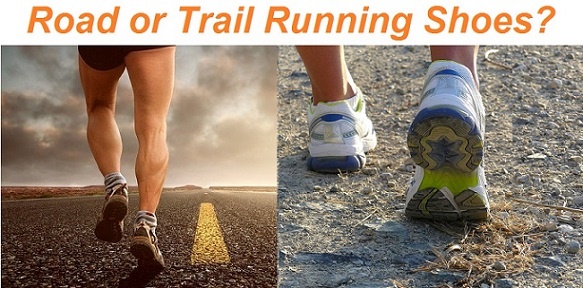
When it comes to buying running shoes, one of the first questions you’ll often encounter is, “Will you be running on the road or trail?”. While seasoned runners may have a clear answer, beginners or amateur runners might find this choice more challenging.

Consider the environment you live in and the routes that appeal to you. If your running journey is primarily on city streets, road shoes would be your go-to choice. These shoes are designed for pavement and occasional forays onto packed surfaces with slight irregularities.

However, if you’re venturing onto rough terrains with stones, roots, dunes, or any variable surface that demands more from your ankles, road shoes may not provide the comfort or utility you need. In such cases, trail running shoes, designed for off-road routes with rocks, mud, roots or other obstacles, would be the ideal choice.

For avid runners, having two pairs of running shoes – one for the road and one for the trail – can be beneficial.
But if you’re interested in both surfaces and prefer not to buy two pairs, trail shoes can be a versatile choice. They can also serve you well on the road, provided you’re not aiming to run a marathon or race for a personal record.

Road or Trail Running Shoes?

Choosing the right running shoe greatly depends on the type of running you plan to do. Here are some key considerations based on different running activities:

  • Distance Running: If your goal is to cover long distances, opt for shoes that offer substantial cushioning and support. This helps absorb impact, protecting your feet and joints during your run. Shoes designed for distance running are typically more durable and slightly heavier than other types.
  • Speed Training: For speed or interval training, a lightweight shoe that promotes quick, agile movements would be ideal. These shoes might have less cushioning but are generally more responsive, aiding in swift movements.
  • Trail Running: If your running adventures take you off-road or onto trails, look for shoes with excellent traction and stability to handle uneven surfaces. Trail running shoes are usually more robust and come with features like toe guards and waterproof materials for added protection.
  • Daily Training: For everyday running, a versatile shoe that provides a balance of cushioning, stability, and durability would be a good choice.

Remember, there’s no one-size-fits-all when it comes to running shoes. The best pair for you depends on your individual needs, running style, and the type of running you engage in. So prioritize comfort and fit when choosing a running shoe, and don’t hesitate to try out different models to find the perfect match.

While most running shoes on the market are categorized as Neutral Models, suitable for runners with no specific foot issues, it’s important to note that many runners may require different types of shoes.

So, how do you determine which model type you need? Here are some steps:

  • Examine Your Old Shoes: Look at the wear pattern on your old running shoes. This can give you clues about your foot type and gait.
  • Conduct a Video Test: Ask someone to record a video of you running, focusing on the movement of your legs and feet. If the angle of your ankle and foot remains the same when you step down, you have a neutral foot type.
  • Identify Overpronation: If your foot collapses inwards (right foot to the left and vice versa), you have overpronation. In this case, shoes with added support are recommended. These shoes have additional support in the arch area to prevent the foot from collapsing.
  • Consider Motion Control Shoes: For runners with severe overpronation or flat feet, Motion Control shoes are a suitable choice. These shoes offer extra support that aids in maintaining proper foot posture. Additionally, for runners who are overweight—a common factor contributing to overpronation—shoes with maximum support are recommended.
3 Types of Foot Strikes: Profanation, Neutral and Supination
3 Types of Foot Strikes: Profanation, Neutral, and Supination

In summary, if your arch is normal, your previous running shoes show even wear, and you pass the video test, you likely have a neutral foot type. If you notice overpronation or your shoes show excessive wear on the inner edge, consider support shoes. If you have severe overpronation or are significantly overweight, Motion Control models may be the best fit for you.


Example of Motion Control Running Shoes-  New Balance Women's 1540 V3 Running Shoe

Example of Motion Control Shoes- New Balance Women’s 1540 V3 Running Shoes


When choosing running shoes, consider the following:

  • Avoid the ‘Expansion’ Myth: Contrary to popular belief, running shoes do not expand over time. Your shoes should feel comfortable from the moment you first wear them.
  • Size Up: Typically, your running shoes should be one size larger than your regular shoes. This ensures there’s ample space for your toes, preventing discomfort or injuries like broken nails.
  • Avoid Tight Shoes: Running shoes generally don’t stretch over time. If your shoes are too tight, they could cause discomfort or even injuries.
  • Consider Shoe Width: If you have wide feet, look for models specifically designed with wider widths. Conversely, avoid shoes that are too wide for your feet. You can check this by lacing up the shoes. If the eyelets of the laces are too close together and the laces are excessively long, the shoe might be too wide for you.

Leveraging Shoe Size Charts Effectively

 While shoe size charts are a common tool, they can be incredibly helpful when used correctly. Here’s how to make the most of them:

  • Understand the Sizing System: Shoe sizes can vary significantly between brands and even between different models from the same brand. Familiarize yourself with the specific sizing system used by the brand of the shoe you’re interested in.
  • Measure Your Foot: For the most accurate size, measure your foot in the evening (when it’s at its largest) using a ruler or measuring tape. Measure the length from the heel to the tip of your longest toe.
  • Consider Width: Some people may need a wider or narrower shoe size. If your feet are wider or narrower than average, look for brands that offer width options.
  • Account for Running Socks: Remember to account for the thickness of your running socks, which can affect the fit of the shoe.
  • Try Before You Buy: If possible, try on the shoes with the socks you plan to run in. Walk or jog around the store to ensure they feel comfortable.

Remember, the key to a comfortable run is a well-fitted shoe.

As a runner, whether you’re a beginner or seasoned, it’s important to understand your foot strike pattern. This refers to which part of your foot hits the ground first during your run: the heel, midfoot, or forefoot. Your foot strike pattern can guide your selection of running shoes.

Another crucial term in the world of running shoes is ‘Drop’. This refers to the height difference between the heel and the forefoot in the shoe.

Why is it Important to Know Which Part of the Foot You Land On?

If the shoe’s drop doesn’t align with your foot strike pattern, it could potentially lead to running injuries. For instance, if you land on the middle of your foot, a shoe with an above-average drop could negatively impact your training.

When it comes to specifics, running shoes with a drop between 5 and 9 millimeters are generally recommended. However, if you’re a heel striker, you might benefit from shoes with a higher drop of more than 10 millimeters. If you land on your toes, you have the flexibility to choose from a wider range of drops.

WHITIN Men's Cross-Trainer | Barefoot & Minimalist Shoe | Zero Drop Sole | Wide Toe Box

WHITIN Men’s Cross-Trainer | Barefoot & Minimalist Shoe | Zero Drop Sole | Wide Toe Box


Research indicates that lightweight racing shoes can enhance performance during a race. As a result, many shoe brands today offer distinct models for training and racing.

Racing shoes are typically minimalist in design, offering less cushioning and support compared to their training counterparts. The rationale behind this is to reduce weight and increase speed.

The recommended weight of your racing shoes often depends on the distance you plan to run. The shorter the distance, the lighter the shoes should be.

Here are examples of popular shoe brands that offer separate models for training and racing:

Nike:

Brooks:

As the racing distance decreases, it is advisable to opt for lighter racing shoes.

While the importance of the right shoe size is already mentioned in the article, it’s crucial to further emphasize the role of comfort and fit in selecting the perfect running shoe.

A well-fitted shoe not only enhances your running experience but also helps prevent potential injuries. Here are some tips to ensure a good fit:

  • Try on shoes in the afternoon: Our feet tend to swell throughout the day, and they are usually at their largest in the afternoon. Trying on shoes at this time can help you find a size that will comfortably accommodate your foot at its biggest.
  • Check for enough space around the toes: There should be enough room in the toe box for your toes to move freely. A good rule of thumb is to ensure there’s about a thumb’s width of space between your longest toe and the end of the shoe.
  • Ensure the heel doesn’t slip: The heel should fit snugly in the shoe without slipping. If the heel slips out easily, it could lead to blisters or instability while running.

Remember, the key to a good running shoe fits well and feels comfortable from the start. There should be no need for a ‘breaking-in’ period. If the shoe doesn’t feel right in the store, it won’t feel better on your run.

Purchasing running shoes online can be a convenient and time-saving option. However, it can also be challenging due to the inability to try on the shoes before buying. Here are some tips to help you make an informed decision:

  • Know Your Size: Measure your foot size accurately at home. Remember, your running shoe size might be larger than your regular shoe size.
  • Understand the Return Policy: Before making a purchase, understand the online store’s return policy. Ensure they allow returns or exchanges if the shoe doesn’t fit well.
  • Read Customer Reviews: Customer reviews can provide insights about the fit, comfort, and durability of the shoe. Look for reviews from people who have a similar foot type and running style to yours.
  • Consider Shoe Width: If you have wide or narrow feet, check if the online store offers different width options.
  • Research the Shoe Model: Different models from the same brand can vary in fit and feel. Research the specific model you’re interested in to understand its features and how it might suit your needs.
  • Check for Deals: Online stores often have sales and discounts. Keep an eye out for these deals to get your desired running shoes at a lower price.

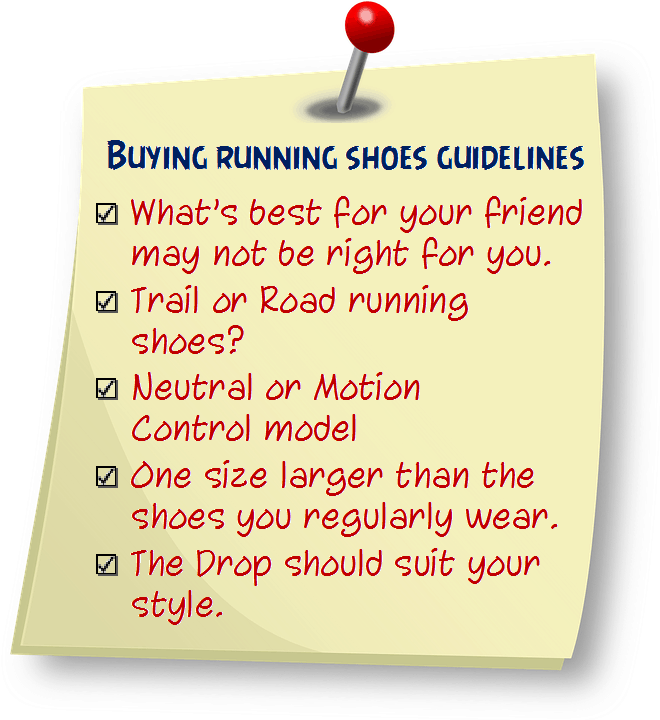
➤ Summary of Guidelines for Buying Running Shoes

When buying running shoes, it’s important to remember the following key points:

  1. Individual Preferences: What works best for your friend may not be the best for you. Everyone has unique foot shapes, running styles, and preferences.
  2. Trail or Road: Consider where you’ll be running. Choose trail running shoes for off-road and uneven surfaces, and road running shoes for pavement and flat surfaces.
  3. Neutral or Motion Control: Understand your foot type. Choose neutral models if you have a normal arch, support models for overpronation, and motion control models for severe overpronation or flat feet.
  4. Size Matters: Your running shoes should be 1/2 to 1 size larger than your regular shoes to accommodate foot expansion during running and prevent discomfort or injuries.
  5. Understand ‘Drop’: The ‘Drop’ of a shoe should suit your running style. It refers to the height difference between the heel and the forefoot in the shoe.
  6. Training or Racing: Consider whether you need training shoes for regular runs or racing shoes for competitive events. Racing shoes are typically lighter but offer less support and cushioning.

Most importantly, there’s no universal “best” running shoe. The best running shoes are the ones that suit your physical requirements and running activity type.

Buying running shoes - Guidelines Summary
Buying running shoes – Guidelines Summary

Maintaining your running shoes is crucial for ensuring they provide the support and protection you need. Here are some tips for taking care of your shoes:

  • Clean Your Shoes Regularly: After a run, especially on muddy or wet terrain, clean your shoes by removing any dirt or debris. Avoid washing them in a washing machine as it can damage the shoe structure and cushioning.
  • Dry Your Shoes Properly: If your shoes get wet, dry them properly to prevent the growth of bacteria and fungi. Avoid placing them near a heat source as it can warp the shoes. Instead, remove the insoles and let them air dry.
  • Rotate Your Shoes: If you’re a frequent runner, consider having more than one pair of running shoes. Rotating your shoes can allow them to fully recover their cushioning between runs and extend their lifespan.

Knowing when to replace your running shoes is equally important. Here are some signs that it’s time for a new pair:

  • Mileage: Most running shoes last between 400 to 500 miles. However, this can vary based on the runner’s weight, running style, and the surfaces they run on.
  • Wear and Tear: Visible signs of wear and tear, like worn out soles or holes in the upper, are clear indicators that you need new shoes.
  • Comfort and Pain: If your shoes no longer feel comfortable or you start experiencing pain or discomfort when running, it might be time for a new pair.

Remember, running in worn-out shoes can increase the risk of injury. So, keep an eye on your shoes’ condition and replace them when needed.


➤ Buying Running Shoes – Frequently Asked Questions

Should running shoes be a size bigger?

Conventional wisdom suggests that running shoes should be about a size or half-size larger than your dress or casual size. This recommendation accounts for the increased blood flow and swelling during and after running, which causes the feet to expand.

Can you wear running shoes every day?

It’s best to reserve your running shoes for actual running activities to maximize their lifespan, typically ranging from 300 to 500 miles. Limit wearing them for non-running activities to no more than 3 days per week, with a total mileage of up to 15 miles.

How many pairs of running shoes should I have?

It is advisable for runners to have at least two pairs of running shoes that they frequently use and rotate between workouts. This practice helps to increase the lifespan of the shoes by spreading the mileage across different pairs.
For those who engage in both road and trail running, it is recommended to have a pair of road running shoes as well as a pair of trail running shoes.


Running shoes

How often should you replace your running shoes?

A general guideline is to replace your running shoes every 300–400 miles, considering factors such as your running style, body weight, and the running surface. Lighter runners may stretch this to 400 miles, while heavier runners should replace shoes closer to 300 miles.

What color of running shoes should I choose?

When selecting running shoes, consider the color based on the surfaces you typically run on. For concrete or asphalt surfaces, opt for shoes with black soles, as they endure wear and tear better. If you primarily run on padded tracks, treadmills, grass, or dirt trails, colored soles are a suitable choice.

How can you tell if you Overpronate?

Examine the bottom of your shoes for signs of wear and tear, which may indicate overpronation. Furthermore, watch for symptoms like heel or arch pain, flat feet, corns or calluses, and discomfort in the knees, hips, or back.


Posted on 1 Comment

10 Tips for Unparalleled and Safe Trail & Cross Country Running

Cross Country Running

Embracing both challenge and excitement, trail and cross-country running offer breathtaking views that are a reward in themselves. Unlike the monotony and predictability of road running, cross-country running is a journey into the unexpected. Every step is a decision made in real time, a testament to your concentration, agility, and quick thinking. This dynamic sport demands more of you than a casual run in the park or on a paved road.

To ensure your runs are both successful and safe, we present our top 10 unparalleled tips for mastering cross-country running.

1.  Equip Yourself with Knowledge: Master the Course

Before embarking on your run, arm yourself with as much information about the course as possible. Utilize tools like Google Maps to familiarize yourself with the area’s unique features. Take into account the weather conditions and how they might affect the terrain.

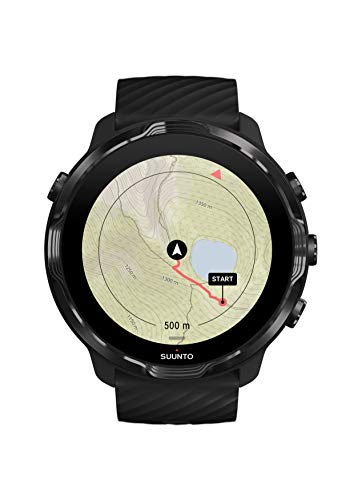
In this digital age, running and sports smartwatches have become invaluable companions for outdoor navigation. Devices like the Garmin Fenix 6X come preloaded with topo maps, while the Suunto 7 can automatically download local maps when connected to WiFi. Harness these technologies to plan your route and stay on track.

SUUNTO 7 GPS Sports Smartwatch with free offline outdoor maps. Local maps will be downloaded automatically when you’re connected to WiFi, or you can manually download the map of your preferred location.
Course Navigation with Suunto 7 watch

2. Embrace the Challenge: The Joy of Running Uphill

While running uphill presents its own set of challenges, it’s an adventure that offers a multitude of benefits for runners. It’s a powerful muscle builder, step length enhancer, and a catalyst for improving your running technique. It bolsters mental strength and can even boost your running speed.

Moreover, hill running can significantly elevate your VO2 max, a key indicator of your cardiorespiratory fitness. In essence, conquering hills can transform you into a more proficient runner.

Mastering the Uphill Run
Running uphill can be easier by maintaining a slight forward lean or keeping your back straight. Over-leaning can overwork your hip flexors and limit your knee lift. A useful tip is to envision yourself standing tall, which can prevent excessive leaning.

How To Run Uphill | Running Tips For Triathletes | Video by Global Triathlon Network (02:54)

Uphill Running Tips:

  • Posture: Stand tall and lean into the hill from your ankles, not your hips.
  • Stride: Shorten your stride and maintain quick foot contact to stay tall and manage your effort.
  • Arm Movement: Drive your arms straight forward and backward like pistons. This will help you overcome obstacles when running off-road. Aim to keep them at a 90-degree angle and drive forward rather than across.
  • Pacing: Concentrate on effort rather than pace to avoid burning out early on a climb.

For a visual guide, check out the above video: “How To Run Uphill” by the Global Triathlon Network.

Every uphill run is a step closer to becoming the best version of yourself as a runner. Embrace the challenge, stay positive, and enjoy the journey!

3. Embrace the Power of Walking When Necessary

Even world-class trail runners understand the importance of a well-timed walk. When transitioning to a walk, aim to increase your step length compared to when you’re running. This shift engages your large leg muscles more effectively.

Be mindful of your gastrocnemius muscles during this transition. These muscles, located in your calves, can tire more quickly than your quadriceps. By managing their use, you can maintain your stamina and ensure a successful run. Remember, knowing when to walk is just as important as knowing when to run. It’s all part of the journey.

4. Master the Art of Running Downhill

Being a proficient climber is important, but excelling at downhill running is equally crucial. When faced with a steep descent, aim to keep your knees as stable as possible and focus on quick, short steps with the lower part of your legs. This technique reduces stress on your legs compared to taking larger steps and landing heavily.

While our instinct may be to lean back when running downhill, this can strain your joints and lower back. Instead, lean slightly forward to maintain balance and control.

Remember, the risk of injury increases when running downhill compared to uphill. Always prioritize safety. If the terrain becomes too steep, don’t hesitate to slow your pace or transition to a walk. Every step counts in your journey to becoming a better runner.

5. Absorb Wisdom: Learn from More Experienced Runners

Running alongside a cross-country runner who boasts more experience than you can be incredibly beneficial. As you run, observe their techniques, their rhythm, their form. There’s a wealth of knowledge in their stride that you can learn from.
Interestingly, even without conscious effort, when we share the trail with someone more skilled, we tend to mirror their movements over time, thereby enhancing our running prowess. Remember, every great runner was once a beginner who learned from others.

Trail running - Two runners

6. The Three-Step Strategy: Scan, Plan, and Run

In the dynamic world of cross-country running, no two steps are the same. This requires you to constantly scan your surroundings and plan your next move. This continuous vigilance not only enhances safety but also enables faster running.

Your body has a remarkable ability to remember what it has seen and react accordingly. So, keep your gaze ahead, not on your feet. By focusing a few feet ahead, you can run more naturally without overthinking each step.

The Art of Visual Navigation During a Run

Your eyes are your navigational tools. Keep them focused on the ground 15 to 50 feet ahead, continuously identifying the optimal path. The more challenging the terrain, the more obstacles there are to spot and decisions to make. This means you’ll need to scan smaller areas, about 6 to 30 feet ahead.

In contrast, in an open area, you have the luxury to look further ahead. Here, you can plan your route at least 50 feet in advance. Remember, your eyes are the key to mastering the art of cross-country running.

7. Perfecting the Pace: Adapting to the Terrain

Adapting your pace to the area and topography is a crucial skill in trail running. Here are three key factors that can influence your pace:

  • Incline Variations: The slope of the terrain can significantly affect your speed.
  • Transition from Uphill to Steep Downhill: The end of a climb often brings about an oxygen shift, leading to decreased concentration and muscle fatigue. Rushing downhill without allowing for recovery can be extremely hazardous and may lead to errors in route selection.
  • Switching from Flat or Pathed Terrain to Rocky Ground: Transitioning to a rocky surface requires a different running approach. Adjust to the sensation of running on stones to minimize the risk of ankle injuries.

Remember, the ability to change pace according to the terrain is a mark of a seasoned trail runner.

8. Boost Your Running Energy

During endurance activities like long-distance or trail running, we must supply our muscles with a steady stream of glycogen. Proper nutrition not only fuels our bodies, enabling us to maintain high energy levels and enjoy the run, but it also sharpens our focus.

This heightened concentration is essential for preventing falls and injuries, especially when navigating challenging cross-country terrains. One effective method to ensure a consistent energy supply is the consumption of energy gels. These gels are not only easy to use while on the move, but they’re also conveniently portable, making them an ideal companion for runners.

9. Cross-Country Running Safety

  • Companion for New Routes: When embarking on a new running route or area, it’s highly recommended to have a companion who is familiar with the terrain. This not only enriches the experience through shared camaraderie but also provides a safety net in case of emergencies.
  • Inform Someone About Your Route: If you find yourself running alone, always inform someone about your planned route. This ensures that someone is aware of your whereabouts, which can be crucial in case of an unexpected situation.
  • Carry a Mobile Phone and a Physical Map: Carrying a mobile phone is essential for communication purposes. In areas where GPS signals may be unreliable, having a physical map can be a lifesaver. It allows you to navigate the terrain confidently and safely.
  • First Aid Kit: Having a basic first aid kit during your runs is a prudent measure. It equips you to handle minor injuries and can be vital in more serious situations until professional medical help arrives.
  • Stay Hydrated: Hydration is key during long runs. Using a water pack, belt, or bottle can help maintain your water intake throughout your run, preventing dehydration and its associated risks.

10. Essential Gear for Trail and Cross-Country Running

Trail and cross-country running require more than just a pair of all-terrain shoes. It’s about equipping yourself with the right gear to enhance your performance and safety.

All-Terrain Trail Running Shoes: These specialized shoes are designed to protect your feet from potential hazards like stones or roots while providing excellent shock absorption. The soles are typically rigid, offering superior traction in muddy or slippery conditions. The reinforced toe box is another feature, designed to provide extra protection for your toes.

Clothing: Choose moisture-wicking fabrics to keep you dry and comfortable. Layering is key for adapting to changing weather conditions. Don’t forget a hat or visor for sun protection and gloves for colder climates.

Hydration Packs: Hydration is crucial during long runs. Hydration packs are an excellent way to carry water as they distribute the weight evenly across your back and allow hands-free drinking.

Headlamps: If you plan on running in low-light conditions or at night, a headlamp is essential. It not only allows you to see the trail ahead but also makes you visible to others.

Remember, the right gear can significantly enhance your trail and cross-country running experience. Choose equipment that suits your specific needs and preferences. Happy running!

Trail Running Woman

Trail & Cross Country Running Frequently Asked Questions:

How often should you trail run?

If you’re preparing for a trail race, it’s recommended to incorporate trail running into at least 50% of your training sessions. This typically translates to running on trails at least twice a week, with the remaining sessions conducted on roads.

What constitutes a good pace for trail running?

Trail running often requires a slower pace compared to road running due to the varying terrain. A good rule of thumb is to aim for a pace that’s approximately 10 to 20 percent slower than your average road running pace. For instance, if your easy run pace on the road is 10 minutes per mile, anticipate a trail running pace of around 11 to 12 minutes per mile.

Does trail running burn more calories?

Yes, trail running can potentially burn up to 10% more calories compared to road running. This is due to the increased balance and agility required to navigate trails. Additionally, trail running is generally easier on your bones and joints, making it a popular choice among runners of all levels to prevent overuse injuries.

What are the advantages of cross-country running?

Cross-country running offers numerous benefits, including:
1. Enhanced lung capacity
2. Comprehensive muscle engagement
3. Potential for weight loss
4. Boosted immune system strength
5. Fostering a sense of teamwork
6. Providing a sense of personal accomplishment
7. Lower impact on joints compared to road running
8. Stress reduction

In summary, cross-country running can contribute to improved running performance and overall strength.