Dealing with runner’s knee can be discouraging, especially if you’re passionate about running or cycling. Patellofemoral pain syndrome (PFPS)—commonly known as runner’s knee—affects many athletes, with estimates suggesting it accounts for 25–30% of injuries seen in sports medicine clinics.
But there’s good news: You can take steps to prevent it!
Below are 8 practical tips to help you protect your knees and keep running pain-free.
What is Runner’s Knee?
Runner’s knee is a common term that describes several conditions causing pain around the kneecap (patella). These conditions include:
Although running is a frequent trigger, any activity that repeatedly stresses the knee—such as walking, skiing, biking, jumping, or playing soccer—can contribute to developing runner’s knee.
Research from Harvard Medical School indicates that this condition is more prevalent in women than in men, particularly among middle-aged women. Additionally, carrying extra weight can further increase the risk of developing runner’s knee.
Diagram of the Knee Joint and Surrounding Structures
Disclaimer: This post is not medical advice and is not intended to provide diagnosis or treatment for any medical conditions. Please consult a physician or other health care professional for your specific health care and/or medical needs or concerns.
Runner’s Knee Symptoms
Runner’s knee can have a range of symptoms because it may stem from various underlying issues. Some signs are common, while others might indicate a specific knee condition. Typical symptoms include:
Front Knee Pain: Discomfort around the front of the knee is a primary indicator.
Misalignment Discomfort: If the kneecap (patella) isn’t properly aligned with the femoral groove, you might feel pain at the front or along the sides of the knee.
Knee Crepitus: A grinding, popping, or crackling sensation in the knee is often reported.
Increased Pain with Movement: Activities that put stress on the knee, such as running or walking, can make the pain worse.
Swelling and Stiffness: The knee may become swollen, and you might experience stiffness, particularly after periods of rest.
Runner’s knee, or patellofemoral pain syndrome, often results from a combination of factors that stress the knee joint. Understanding these causes can help you make informed adjustments to your training and prevent further injury.
Overuse and Repetitive Stress: Running long distances or frequently on hard surfaces can overload your knee joint, leading to irritation and inflammation.
Poor Biomechanics: Abnormal foot motion, such as overpronation (excessive inward rolling), or misalignment of the kneecap can increase stress on the knee. Inadequate arch support or muscle imbalances in the legs can also contribute.
Weak or Imbalanced Muscles: Insufficient strength in your quadriceps, hamstrings, or hip muscles may compromise knee stability. When surrounding muscles are weak, your knee has to work harder to maintain proper alignment during running.
Improper Training Techniques: Rapid increases in mileage or intensity, lack of proper warm-up and cool-down routines, and poor running form can all contribute to runner’s knee.
By identifying these risk factors, you can adjust your training regimen, focus on proper form, and incorporate strength and flexibility exercises to reduce the chances of developing runner’s knee.
8 Proven Tips to Prevent Runner’s Knee
1. Strengthen and Stretch Your Lower Body
Building strength in your lower body and maintaining flexibility are essential for preventing runner’s knee. Strength training stabilizes the knee during running, while stretching improves flexibility and reduces tightness—especially in your quads, calves, and hamstrings.
📌 Incorporate these exercises into your routine to improve knee stability and overall leg strength, keeping you on track for pain-free running.
2. Proper Warm-up and Cool-down
A thorough warm-up before running and a cool-down afterward can significantly lower your risk of runner’s knee and other injuries.
Warm-up
Why Warm Up? Running with cold muscles and stiff joints can increase your risk of knee pain and other injuries.
What to Include:
Dynamic Exercises: Lubricate your joints with moves like leg swings or high knees.
Technique Drills: Practice proper running form with short, controlled drills.
Light Walking or Easy Jogging: Gradually elevate your heart rate and warm up your muscles.
Cool-down
Why Cool Down? Cooling down after a run helps your muscles relax and flushes out lactic acid, reducing soreness and the likelihood of injuries.
What to Include:
Light Jog or Walk: Slow your pace to lower your heart rate safely.
Static Stretching: Hold stretches for 20–30 seconds to improve flexibility and range of motion.
💡Static stretches also speed up recovery by increasing blood flow and oxygen delivery to your muscles, helping you stay strong and injury-free.
3. Avoid Running on Hard Surfaces
Running on hard surfaces—like concrete—delivers greater impact forces to your joints with every stride. Over time, this added stress can increase your risk of runner’s knee. Whenever possible, opt for softer terrains, such as grass, trails, or rubberized tracks, to help reduce the impact on your knees.
4. Use Shoe Inserts If Needed
If foot biomechanics contribute to your knee pain, shoe inserts or insoles can help correct your gait. These supports work to stabilize your foot and prevent overpronation—the inward rolling of the foot—which often leads to excessive inward rotation of the knee.
By providing proper arch support, insoles can reduce the strain on your knee, helping to prevent runner’s knee and keep you running comfortably.
PerseveranX Embrace Series Insoles, designed to offer arch support and help correct overpronation—an important step in preventing runner’s knee.
5. Gradually Increase Mileage and Intensity
As you log more miles, your body needs time to recover and adjust to the added training load. Here are some guidelines to help you build endurance safely:
Increase Distance Slowly: Jumping too quickly in mileage—like going from 20 to 30 miles in one week—can lead to runner’s knee or other injuries.
Follow the 10% Rule: Avoid boosting your weekly mileage by more than 10% to prevent overtraining and undue stress on your knees.
Incorporate Recovery Weeks: Training doesn’t have to be strictly linear. Every fourth week, scale back both mileage and intensity by 40–60% to allow your body to recover and reduce the risk of knee pain.
6. Make Sure Your Shoes Have Enough Support
Choosing the right running shoes can significantly impact knee health. Running shoes generally fall into two categories: neutral and support shoes. Support shoes have reinforced inner arches designed to help runners who overpronate (roll their feet inward while running).
Proper arch and heel support help align your body, promote better posture, and distribute weight evenly across your feet. According to research, published in a peer-reviewed study accessible on PubMed, wearing shoes that are properly fitted and provide the right level of support can reduce knee stress and alleviate knee pain.
7. Avoid Bending Your Knee Beyond 90°
Repeatedly bending your knee past a 90° angle can irritate the bursa above your kneecap, leading to discomfort and inflammation. To protect your knees, try to avoid excessive bending during weight-bearing activities and limit deep knee flexion whenever possible.
8. Maintain a Healthy Weight
Keeping a healthy weight is key to reducing knee stress and preventing runner’s knee. When you run, each step can exert 3 to 8 times your body weight on your legs. Extra pounds not only increase the load on your knees but can also lead to mobility issues and misalignment of your joints.
By managing your weight through proper nutrition and exercise, you can significantly lessen the impact on your knees and lower your risk of injury.
➤ Runner’s Knee: Frequently Asked Questions
👉 What Are the Common Symptoms of Runner’s Knee?
Runner’s knee, or patellofemoral pain syndrome, can present itself in various ways. Common symptoms include: 1) Knee Sensations: A grinding or clicking feeling when bending or straightening your knee is often reported. 2) Localized Pain: Discomfort typically occurs around or behind the kneecap during physical activity, or even after sitting for long periods with bent knees. 3) Tenderness: The kneecap and surrounding area may be sensitive to touch, indicating inflammation or irritation.
📌Since symptoms can vary between individuals, consulting a healthcare professional for an accurate diagnosis is recommended. ____________________________________________
👉 How Can I Speed Up Recovery from Runner’s Knee?
To promote a faster recovery and alleviate pain, consider these strategies: 1) Rest: Give your knee a break from high-impact activities. 2) Ice Therapy: Apply ice to reduce pain and swelling. 3) Compression: Use an elastic bandage or knee sleeve to help control swelling. 4) Elevation: Elevate your leg while resting to improve circulation and reduce inflammation. 5) Targeted Exercises: Incorporate stretching and strengthening routines, focusing on your quadriceps, calves, and hamstrings, to support proper knee function.
____________________________________________
👉 How long does it take to recover from runner’s knee?
Recovery from runner’s knee varies depending on the severity of the condition and individual factors. On average, it takes about four to six weeks to recover. However, while some runners may heal more quickly, others might require additional time to fully recover. ____________________________________________
👉 Can I Safely Perform Squats If I Have Knee Issues?
Squats can be a beneficial exercise for building leg and hip strength, which in turn helps stabilize your joints. Here are some considerations: ➤ General Guidance: If you experience minimal knee discomfort, squats can be a safe part of your workout routine. ➤ Wall Squats: For those dealing with runner’s knee, wall squats are a great alternative. They allow you to strengthen your muscles while reducing excessive pressure on the knees.
📌Always listen to your body and consult a healthcare professional or trainer if you’re unsure about the best exercises for your condition.
Wall Squats build strength while protecting your knees.
You train seriously, but the running speed does not improve or even become slower? Technically, running is a simple and natural activity. That makes it one of the most common sports activities. You can start running without buying any equipment and without learning any technique. Although how to run faster is not rocket science, and perhaps precisely because of this, there are some mistakes that many runners make. So, here are the 8 most common mistakes that may prevent you from running faster.
1. Overtraining
When we train for a race or a specific goal, we tend to train too intensely, too long, and too often, and don’t allow ourselves a proper recovery period. We assume that running every day will help us get fitter and faster, but instead, we overtrain and do not improve our running performance. Overtraining is the leading cause of injury and burnout for runners, so here are some ways to avoid overtraining:
You can have “rest weeks” in which you cut the weekly mileage by 50% every fourth week.
Work with a training plan and increase mileage gradually.
Rest days are necessary for your recovery and performance. So, after an intensive run, take a day off.
Include some cross-training or strength activities in your training schedule. Doing activities other than running works on different muscles and prevents boredom. Additionally, it can give your running muscles and joints a break for recovery.
But how to know when you’re overtraining? Here are ten signs that indicate overtraining:
Persistent injuries or muscle pain.
A decline in performance.
The legs feel heavy and tired.
Persistent fatigue.
Increased irritability and moodiness.
Feeling slower and weaker.
Loss of motivation.
Reduced appetite and weight loss.
No Period.
Higher heart rate.
10 Signs of Overtraining In Running
2. Not Doing Enough Strength Training For Runners
Strength training is an important part of training for more speed and efficient running. So, if you’re interested in running faster, you need to incorporate strength workouts into your schedule.
Runners need to strengthen the muscles that support running: Core muscles, Glutes, Quadriceps, Hamstrings, and Calf muscles. Strength training also helps to prevent injuries. Although you cannot change your anatomy, you can improve your strength and flexibility.
Furthermore, the combination of other sports activities within the training schedule will reduce the burden of repetitive use of the muscles involved in running.
It is recommended to do at least once a week a high-intensity strength workout for runners. By doing this, you are still working on improving your aerobic ability while enabling the running muscles to recover until the next workout.
3. Not Including Speed Work in Your Running Training
Speed work (intervals) is a popular type of running workout, but many runners avoid it. Speed work is essential to becoming a faster and stronger runner, whether you run 3 miles or a marathon.
What exactly does speed work mean? It’s simply a type of running workout in which you are running for certain intervals near, at, or even faster than your VO2max pace.
VO2 max is the maximum volume of oxygen that your muscles can consume per minute.
The popular four types of speedwork for runners are:
Fartleks – Periods of fast running intermixed with periods of slower running.
Tempo runs – A type of threshold training called maximal steady-state training. For example, warm-up, run for 10 minutes at an easy pace, and run at tempo effort for 20 to 30 minutes. End the training sessions with a 10-minute easy pace and a cool-down.
Intervals – Involves periods of high-intensity running alternated with low-intensity running, walking, or rest.
Hill Repeats – intervals of running with maximum effort uphill, followed by a recovery period, which usually involves walking or easy jogging back downhill.
There are two ways to improve your VO2 max:
Aerobic VO2 Max Workouts Working on your aerobic fitness is the best way to affect your VO2 Max score. A beginner should be able to see an improvement of up to 10-20% in 4 to 12 weeks.
By losing weight (fat): To be exact, it is losing body fat, as losing muscle would be detrimental to your physical prowess.
To recap, adding speed work one to two days a week can yield a lot of benefits and help make you faster, especially if you are new to it.
4.Your Shoes Don’t Fit
Wearing the wrong type of running shoes or worn running shoes for your foot and running style can slow you down and lead to running injuries. Running shoes lose their cushioning as you run more miles with them, so make sure you replace them every 300 to 350 miles, as the loss of cushioning can lead to injuries. Additionally, about halfway through the life of your shoes, consider buying another pair and rotating your running shoes.
One of the worst running mistakes is wearing the wrong running shoes; therefore, you should choose the right ones for you.
What’s best for your friend may not be right for you. Instead of looking for the same shoes that your friend or social media says are the best, check if these shoes are right for you.
Trail or Road running shoes? If you are running on roads or pavements, go for road shoes. In case you are a trail runner who runs on rough terrain with stones, roots, maybe dunes, or any surface that makes your ankles work hard, you will discover shortly that road shoes are not useful and comfortable here. Moreover. running with road shoes in such terrain may cause injuries, so buying trail running shoes is the correct choice.
Neutral or Motion Control model: Usually, if your arch is normal, and the previous running shoes are not crooked, then you are neutral. In case you know you have pronation or you see the collapsing well in shoes, try Stability (Support) Running Shoes. If you are a shoe serial destroyer with severe pronation or overweight, you probably need Motion Control running shoe models.
The ‘Drop’ should suit your style: Drop is the height difference in the sole between the heel and the footpad. It is important to know what part of the foot you are landing on. For example, if you land in the middle of your foot, you do not want your drop to be above the average, because it will harm your training. It is recommended to buy shoes with a drop between 5 and 9 mm. If you land on the heel, look for shoes with a high drop of more than 10 mm to suit your style. If you land on the footpads, then you are open to all possibilities.
Running shoes should be 1/2 to 1 size bigger than the shoes you regularly wear.
Most importantly, searching for the “best running shoes” is wrong. You should buy the best running shoes that suit your own physical requirements and your running activity type.
5.Your Running Technique Is Not Optimal
A proper running technique is required to improve running speed. Although there is a debate about whether a running technique is individual or whether there is one correct technique, most experts agree on the following guidelines:
Your body should be leaning slightly forward from the ankles and the spine at a moderate angle.
Upper body while running: Keep your upper torso straight, so the head should be up with your eyes looking ahead. The Shoulders need to be relaxed and slightly pulled back. Swing your armsnaturally, while your elbows are about 90 degrees and close to your body.
Run from your hips, and drive forward with your knees.
Although most of runners and even elite runners are heel strikers, it is recommended to land with the forefoot or mid-foot, but not with the heel. Thus reducing stress on your joints during the run.
The following video shows very well the principles of proper running technique.
SALMING RUNNING WHEEL | by Salming Running (02:57)
6.Wrong Clothes
As a general rule of thumb, you should wear a comfortable running outfit no matter the weather conditions. Wear lightweight and stretchable materials that are designed to wick moisture away from your body. Avoid shirts with regular cotton as it traps heat and sweat, which makes you feel uncomfortable.
Wear a Dri-fit shirt and shorts, and if you run during the day, prefer a bright shirt.
Lightweight sports clothes made of breathable fabric, not too loose and yet not too tight.
Favor running socks and not regular cotton sports socks, as running socks have moisture-wicking technology that keeps out sweat from the feet and provides temperature control.
You should dress as if it is 10-15 degrees (Fahrenheit) warmer than it is. When overdressing, you will get too warm, and if you exaggerate, it will slow you down.
It is recommended to wear: Moisture-wicking and waterproof running socks; Long tights or running pants that do not absorb the rain (Dri-Fit) ; An undershirt; A long, thin shirt; Gloves (when it’s freezing);
7. Wrong Nutrition
You can be in great shape after the best quality training and perform poorly in a race due to the wrong nutrition strategy.
Before the run Carbs break down into glucose, the body’s primary source of energy during a run. Therefore, prefer eating foods higher in carbohydrate content. For example, Bananas, Brown rice, Dried fruit, Whole grains (bread, pasta, quinoa), Low-fat yogurt, Dates, and Oatmeal with berries. Right before the run, avoid foods high in fat, protein, fiber, and spicy foods. Because too much protein or fat can cause fatigue or cramps, your body will waste energy on digesting instead of running.
During the run We need to supply glycogen to our working muscles. The easiest way is to use energy gels or other similar alternatives.
After the run The foods to eat after running, recommended by HealthLine:
For long runs and marathons: Choose high-carb, high-protein meals after your marathon or long-distance run to aid muscle recovery and replenish your energy stores.
For building muscle: Seek high-quality protein sources like protein shakes or chicken and veggies to promote muscle repair and growth after running.
For weight loss: Opt for low-calorie, nutrient-rich foods after your run to aid your weight loss goals. These include hummus, a veggie omelet, and beet or watermelon salad.
8. Don’t Plan Your Training and Don’t Plan Your Run
8.1. Training Plan:
For achieving your goals and running faster, it is essential to have a training plan. Runners without a training plan may get injured and will not reach their real potential. Because, without planning, it is difficult to know whether you are overtraining or training too little. So, getting the right balance and consistent training to achieve your goals requires good planning.
In general, a good plan is your schedule of weekly runs, strength sessions, and recovery routines. Its purpose is to give you a perspective from above of how you are training. Additionally, a good running training plan will give you focus, motivation, and a definite goal.
8.2 Planning Your Run:
Goal pace – You should create an effective and flexible plan. So, you should have an idea of what your goal pace will be during the different sections of the run. For example, in a half-marathon, start out at a pace that is two or three minutes slower than your goal pace. Then, work your way up to your goal pace during the middle part of the run and increase the pace towards the end of the run.
A proper warm-up is essential before any run as it helps to raise your heart rate and get you ready for the run.
During a race, you need to manage your energy. This means, at the start of your race, make sure your first few miles are used to gradually warm up to your goal pace.
How To Run Faster Video
The following video shows the above 8 common mistakes that prevent you from running faster.
8 Common Mistakes That Prevent You From Running Faster (05:00)
How To Run Faster: Frequently Asked Questions
What is the fastest way to recover from over-training?
1) Sleeping more, as interrupted sleep is a side effect of overtraining. 2) Add more rest days between the training sessions. 3) Eating more protein, since not getting enough protein can cause weakness and tiredness.
Can you have a run and strength training on the same day?
A research study shows that training twice a day or without a recovery period between sessions is not optimal for neuromuscular and aerobic improvements. Ideally, if you want to get stronger, you should separate your running training and strength workouts by more than six hours.
Does speed work make you run faster?
During speed interval training, you maximally activate your slow-twitch muscles and intermediate muscle fibers, which increases your aerobic capacity. Your aerobic capacity is essential to running any distance, whether it’s a mile or a marathon. So you improve your body’s ability to quickly transport oxygen to the muscles for energy, thus making you a faster runner.
Does drinking coffee make you run faster?
Having a small amount of caffeine 30 to 60 minutes before you run can give you the little boost you need to help you get out the door. Aside from helping you wake up, science shows that caffeine may have a positive impact on running speed and endurance.
Want to run faster and improve your athletic performance? Discover the secret to unlocking your potential with VO2 max – a crucial metric that measures your body’s ability to consume and use oxygen during exercise. In this post, we’ll explain what VO2 max is and why it matters for runners, cyclists, and swimmers. We’ll also share tips for improving your VO2 max to help you achieve your fitness goals. Ready to take your running game to the next level? Let’s dive in!
Although it sounds like a rocket name, in short, VO2 max is the maximum volume of oxygen that your muscles can consume per minute.
Therefore, it is referred to as aerobic power since it measures the rate at which oxygen is consumed. That means it directly relates to your current cardiovascular fitness.
1. So, What is VO2 Max?
VO2 Max is an abbreviation for the Maximum Volume of O2 (oxygen), which is transferred to the blood. The VO2 level changes and increases as you start exercising, and the VO2 Max is the level at which the amount of oxygen you process hits its maximum and plateaus.
In short, it’s a combination of how much oxygen-rich blood your heart can pump and the muscles’ efficiency in extracting and utilizing the oxygen.
Since VO2 max refers to the maximum amount of oxygen you can utilize during exercise, it’s commonly used to test the aerobic endurance or cardiovascular fitness of athletes before and at the end of a training cycle.
VO2 Max Measurement
VO2 max is measured in milliliters of oxygen consumed in one minute, per kilogram of body weight (ml/kg/min).
For example, a runner with a VO2 max of 65 ml/kg/min will be able to perform at a high level for a longer duration than a runner with a score of 40 mL/kg/min.
However, this relates to aerobic work. Someone with a high VO2max will not necessarily be able to perform at a higher capacity during resistance exercise or short-duration high-intensity work, such as sprints.
2. Why Measuring VO2 Max is Important?
VO2 max is very important because it may be used as a representation of how much oxygen your body utilizes during exercise at a maximum effort. This means the value of VO2max reflects the total body health that extends from the integrated functioning of multiple physiological systems. So, it reveals the heart, lungs, blood vessels, muscles, and nervous system all work together.
The importance of VO2 Max was further emphasized when in 2016 the American Heart Association published an official scientific statement recommending that clinicians routinely measure VO2max and consider it as a vital sign, together with traditional measures like body temperature, blood pressure, and heart and respiration rates.
Additionally, it’s one of the most important running metrics because it can also have an impact on running efficiency and improve form that can help to prevent injuries.
3. What Affects Your VO2 Max Level?
There are many factors that can influence VO2max, e.g. training, age, gender, genetics, and body composition.
Here are the Main 6 Factors Affecting VO2 Max:
Genetics. It is said to play a 20-30% role in VO2max.
Training status: Athletic training can alter a person’s VO2max by as much as 20% depending on their lifestyle and fitness habits.
Gender: Males typically have a higher oxygen consumption value than females.
Body composition.Research studies suggest that VO2max decreases as body fat percentage increases.
Exercise mode: Measures of athlete’s VO2max on a treadmill, then a cycle, and finally in a swimming pool test. The results will all differ significantly. Treadmill running has been shown to produce the highest values.
4.How Can I Estimate My Own VO2 Max?
The best and most accurate way to assess VO2 max is to undergo a test during which you would be maximally exercising while wearing a mask to collect breath samples that allow a machine to calculate the quantity of oxygen that you are consuming.
However, for many people, this type of testing is not typically available, and there are several other ways to estimate VO2 max:
Calculating VO2 Max
Depending on your age, gender, and even body weight, several equations have been developed to help you estimate your aerobic fitness level from a mile walk, jog, or even a 6-min walk test.
The VO2 formula for absolute VO2 is VO2 (mL/min) = (HR x SV) x a-vO2. “HR” stands for heart rate in beats/min and “SV” for stroke volume, or the amount of blood the heart pumps in each beat.
The most accurate way to find out your VO2 max is under lab conditions using expensive gas exchange equipment. But there is a simpler way, many of the best running watches now use intelligent algorithms and a heart rate monitor to estimate your VO2 max by tracing your vital stats and recent workout performance.
Well, some fitness trackers and watches measure VO2 max. You can find it, particularly in brands such as Garmin, Polar, and Fitbit. Note that a few brands have their terms for VO2max.
For example, Polar Index is an estimation of your maximal oxygen uptake (VO2max) while working out, as explained in the video below:
Running Index | Find out your running VO2max | Polar Smart Coaching | Video by Polar (02:29)
Some of the Garmin watches display your current VO2 Max rating. Also, Garmin users can see their VO2 Max measurement history with the Garmin Connect app.
You can find in Appendix A of this post the Maximal VO2max Norms.
5. VO2 Max and Running Performance
Since oxygen is critical to running fast, your VO2 max is the best running fitness measure. However, don’t confuse running fitness with running results. Having a high fitness level doesn’t always mean you will race well, there are many physiological and mental components to a great race, but having a high fitness level is extremely important.
➤ Scientifically, as exercise intensity increases, so does oxygen consumption.
While running, a point is reached where exercise intensity can continue to increase without the associated rise in oxygen consumption. This point at which oxygen consumption plateaus defines your VO2max.
How does VO2max help to run faster?
Training at VO2max increases the amount of oxygen your body can use. In simple, the more oxygen you can use, the faster you can run.
VO2max running can increase the efficiency of your running and improve your form. Since such workouts are much more intense than regular training, they force you to run more efficiently and with better form.
Furthermore, training at VO2max also increases leg muscle strength and power, which improves the running economy (i.e. how much energy it takes to run at a certain speed).
Therefore, it is helpful and important to include some VO2 max workout running and speed work in your training plan once every 1-2 weeks to help tweak your form and running efficiency.
Even if you’re a very casual athlete, improvements in the VO2max can lead to reduced levels of stress and more ease of getting through your daily tasks. Such as climbing a flight of stairs or bringing the groceries in, to be honest with ourselves, these two activities leave many of us winded.
6. How to Improve Your VO2Max
In general, there are two ways to improve your VO2 max: a) Do workouts that increase your oxygen absorption. b) Decrease your mass (i.e. lose weight). A good training plan will do both.
In terms of your training, one way to improve VO2Max is by incorporating morehigh-intensity interval training. This will push your body’s anaerobic threshold and train your body to better-utilizing oxygen.
6.1.Aerobic VO2 Max Workouts
Working on your aerobic fitness is still the best way to affect your VO2 Max score. A beginner should be able to see a physiological change and improvement by up to 10-20% in 4 to 12 weeks.
But it’s also important that your training intensity matches your VO2 Max. If you’re not training hard enough, you could see levels decreasing.
You can increase aerobic capacity simply by doing an activity like running or biking often, or you can use intervals. Researchers have found that 2-3 minutes of moderate to intense aerobic effort that is followed by 1-2 minutes of active rest is what challenges your VO2Max system.
Here are a few workouts which you can do to improve your VO2max:
The following 3 workouts can increase your VO2 max. There’s one you can do on hills, and another meant for the road/track. Note that you can do either on a treadmill so long as you adjust the incline as indicated.
➤ If you do not know your current VO2Max, click on read this.
6.1.1. Workout 1: On the Road / Track
30 / 30 and 60 / 60 Seconds Session
30 seconds at VO2 max pace
30 seconds at 50% of VO2 max pace
Repeat until feeling like you can’t do anymore
Do this 30 / 30 for 8 weeks and after that increase to 60 / 60 secs sessions
How To Improve Your Running Vo2 Max | Triathlon Training Explained | Video by Global Triathlon Network (07:09)
6.1.2. Workout 2 – Hill or Treadmill Intervals
Hill intervals workout is great for VO2max development. You’ll need to find a decent hill and then run hard uphill for 2 to 3 minutes (choose your duration before you start), jog back down to your starting point, and repeat.
Pace yourself so you don’t burn out at the top of the first hill. But make sure you finish the workout feeling like you couldn’t do more.
Comments:
When doing the above workouts, you should do a warm-up before running and a proper cool-down at the end of the exercise.
You can include the above workouts as part of a short/medium distance run.
6.1.3. Workout 3 – Long interval workout to improve VO2 max
Training at or near your VO2 max pace improves your body’s ability to process a higher volume of oxygen. Below there are two training examples to do that:
Example 1 – Do 20 minutes interval workout:
► 3 minutes at VO2 max pace
► 2 minutes of easy running
► Repeat 4 times
Example 2 – Do 20 minutes of 85% VO2max: Training at about 85 percent of your VO2max pace improves your muscles’ ability to process oxygenated blood. Just divide your VO2max pace by 85 percent (0.85), then use that pace for a 20-minute run.
These are just examples of types of training to improve your VO2 max. So, as improving your VO2 max also enhances your ability to lower your running times, consider incorporating these workouts into your training schedule.
6.2.Increase your VO2 Max by losing weight(fat)
It’s losing body fat to be exact, as losing muscle would be detrimental to your physical prowess.
VO2 is scored relative to body weight. Therefore cutting down our body fat percentage would indirectly increase our VO2max value.
A moderately fit person can sustain a VO2 max pace for roughly 6 to 8 minutes. So, one way to determine your max VO2 pace is to warm up, then run for 8 minutes at the maximum intensity level you can sustain for 8 minutes.
Does losing weight increase VO2 max?
Yes, losing weight increases VO2 Max as this measure is expressed as the amount of oxygen processed per min per kilogram body weight (O2 per min/kg). So, if you lose weight the denominator decreases, and the value increases. But, losing weight will only work if there is weight to be lost, otherwise, it will just hurt you.
How long does it take to increase VO2 max?
If you’re out of shape to moderately fit, you may see VO2 Max improvement in as little as 4 to 6 weeks, and if you are very fit, it could take as long as four to six months.
How often should you do VO2 max training?
Studies have shown that a high VO2max can be maintained on as little as two or three workouts per week if the intensity of training is kept high. However, if the training intensity wanes, VO2max tends to decline as well.
Appendix A – Maximal VO2 Max NormsTable
Following is the VO2 max chart, taken from top-end sports, that shows normative data for VO2max by gender and age.
Maximal Oxygen Uptake Norms For Women (ml/kg/min)
Age (years)
Rating
18-25
26-35
36-45
46-55
56-65
65+
Excellent
> 56
> 52
> 45
> 40
> 37
> 32
Good
47-56
45-52
38-45
34-40
32-37
28-32
Above average
42-46
39-44
34-37
31-33
28-31
25-27
Average
38-41
35-38
31-33
28-30
25-27
22-24
Below average
33-37
31-34
27-30
25-27
22-24
19-21
Poor
28-32
26-30
22-26
20-24
18-21
17-18
Very poor
< 28
< 26
< 22
< 20
< 18
< 17
Maximal Oxygen Uptake Norms For Men (ml/kg/min)
Age (years)
Rating
18-25
26-35
36-45
46-55
56-65
65+
Excellent
> 60
> 56
> 51
> 45
> 41
> 37
Good
52-60
49-56
43-51
39-45
36-41
33-37
Above average
47-51
43-48
39-42
36-38
32-35
29-32
Average
42-46
40-42
35-38
32-35
30-31
26-28
Below average
37-41
35-39
31-34
29-31
26-29
22-25
Poor
30-36
30-34
26-30
25-28
22-25
20-21
Very poor
< 30
< 30
< 26
< 25
< 22
< 20
➤ Athletes With The Highest Recorded VO2 Max Scores
Once you have found your position in the VO2 Max Norms tables above, you will be amazed at the VO2 level of the elite athletes. For example, cyclist Oskar Svendsen’sscore is 97.5! The score of the ultra runner Kilian Jornet is 92.0.
Following is the list of athletes with the highest recorded VO2 Max scores ever.
The treadmill is the perfect partner for a cardio workout and building endurance without putting too much stress on the body. It’s also a convenient option for getting physically and mentally fit when running outside is not possible. To make the most of your treadmill workout, it’s important to know some tips for running on a treadmill. By following these tips, you can improve your technique, stay motivated, and get better results.
While running on a treadmill, you have full control over your speed and incline, and you can easily adjust the workout intensity to match your fitness level.
For those who are lucky to have access to a treadmill, here are 12 great treadmill running tips that can help you have an efficient, healthier, enjoyable treadmill workout and also improve your outside running.
1. Get Familiar with Your Treadmill and Its Features
To maximize your workout, learn the various functions of the treadmill that you are using. If you use a home treadmill, carefully read the user manual. And, if you are using a treadmill at the gym, ask a trainer to walk you through its functions before you hop on since it’s not always obvious at first glance.
View and adjust your speed showing how fast you are going. Depending on the model and age of your treadmill, the mechanism to change the speed may be a keypad entry, a push-button, or a dial. The pace display on the console is usually in Miles Per Hour (mph) or Kilometers Per Hour.
A heart-rate monitor to help you measure the intensity of your workout. Monitoring your heart rate while training helps to improve your cardiovascular fitness. While running, your heart rate can indicate if you push yourself too hard or whether you can increase the intensity to achieve your target heart rate.
A calorie burn calculator that shows you what you are getting from your run. However, usually, these readouts aren’t very accurate since they do not consider your age, weight, gender, and so on. Still, if you do the same workout regularly and the “calories burned” number goes up, this means you’re getting more fit.
Pre-set training programs, to assist you in varying your workout. These can be useful because they allow you to just set and forget, without making adjustments and pressing buttons while you’re exercising.
View and adjust your speed showing how fast you are going. This is usually in miles per hour. If you prefer a minutes-per-mile measurement, check this chart.
Automatic and manual incline
There are treadmills with a built-in cooling fan to keep you cool while exercising, such as XTERRA Fitness TRX4500. With a built-in fan or stand fan, not only does the breeze feel good when you get hot, but the airflow makes it mentally easier. Also, you’ll get that added wind resistance without needing to change the incline.
2. Start With a Proper Warm-Up
Just as with outdoor running, a proper warm-up is essential for avoiding injuries. Additionally, a proper warm-up can improve your running performance.
When the muscles are cold and the joints are stiff, intense training can endanger the muscles and expose us to unnecessary injuries. Therefore a proper warm-up is required.
A warm-up raises your heart rate, sends oxygen to your muscles, and raises their temperature, so the muscles work more efficiently during the workout.
A proper warm-up should include the following 3 steps:
1) Dynamic warm-up to lubricate the joints 2) Technique exercises 3) Walking/Easy running
3. Safety: First Rule – Not Step On or Off While the Treadmill Is Moving
In our treadmill running tips, safety is first and foremost. It’s important to avoid injuries by not jumping or falling off a fast-moving treadmill. If you need to run to the bathroom, grab a hand towel, or get some water, slow the machine down to a very reduced pace and lower the incline. Then step off carefully. When you get back on, do the same, and don’t try to pick up right where you left off at a fast pace or high incline.
Also, before starting a workout, make sure you have everything you need, like a towel, water, headphones, etc. So you won’t be tempted to hop off.
More safety tips for running on a treadmill:
Look forward
Don’t rely on handrails
Start by straddling the deck
Increase either speed or incline
Don’t go barefoot
Don’t step off a moving treadmill
Keep children away
Leave plenty of space
4. Use a Slight Incline (if possible)
If your treadmill has manual or automatic incline adjustment, set the incline between 1 to 2 percent. So, you’ll use the incline for a more intense treadmill workout. Since there is no wind resistance indoors, a gentle uphill better simulates outdoor running. Of course, if you’re just getting started with running, it’s okay to set your treadmill’s incline to zero until you build up your fitness and increase your comfort level on the treadmill.
But once you’re comfortable, don’t decrease. Keeping the incline at zero is actually like running on a slight downhill. Don’t let it be too easy. If you’re watching a TV show while you barely break a sweat on the treadmill, you’re probably not working hard enough. While it’s not good to do every run or your entire run at a hard pace (easy days are important), you should once in a while try harder and push yourself.
Using an incline is a great way to increase calorie burning. You will burn more calories per mile when walking uphill. The American College of Sports Medicine notes that for every 1% of the grade, you increase your calories burned by about 12%.
Uphill Interval Training
Researchers found that incorporating uphill interval running within the training programs of distance runners improves various physiological, biomechanical, and neuromuscular parameters relevant to running performance. Therefore, for at least part of your workout, try increasing your speed or incline, so you’re feeling challenged.
Use the incline on the treadmill for an interval training workout. The high-intensity interval will bring you to a vigorous level of exertion, then the recovery phase will let you catch your breath.
Don’t Make the Incline Too Steep
At the same time, don’t set the incline too steep, i.e. more than 7 percent. This places too much strain on your back, hips, and ankles, which also may lead to running injuries.
Some runners assume they’re getting a good workout if they challenge themselves to complete their entire run on a steep incline (anything over 2 percent). But that much straight hill running is never a good idea and could lead to injuries. Think about it: Outside, you would never find a 3-mile hill at a 5 or 6 percent incline.
So, while training, every few minutes alternate between steep inclines and flat running. The uphill segments help build strength, and the flatter ones build stamina and endurance.
You can do this manually and a better option (if possible) is to use a predefined program on your treadmill. E.g. in the following video by Runner’s World:
The Hill Climber – Treadmill Workouts – Runner’s World | Video credits to 3V (01:32)
As a rule of thumb, you should avoid running at a steep incline for more than 5 minutes.
5. No Need to Hold the Handrails While Running
The purpose of the handrails is for safety when getting on and off the treadmill. The handrails also help you if you accidentally trip while training and are useful for people with medical conditions.
However, for an efficient workout, there is no need to hold the rails during the workout, as this causes the following 3 problems:
a) It forces you to hunch over, an inefficient running form that can lead to neck, shoulder, and back pain. Keep your posture straight and erect. Your head should be up, your back straight, and your shoulders level.
b) Although holding on to the rails can make you feel like you can keep up the pace and work harder, Actually, you’re reducing your load and making it easier on yourself. Try to pretend that the rails are not even there, as if you’re running outside. If you’re concerned about falling, you’re probably running at too fast of a pace or too steep of an incline. Slow down and/or reduce your incline. Safety and form are more important.
c) Holding the handrails makes your workout easier, it affects the quality of your treadmill workout. It transfers the load from your legs to your upper body, reducing the amount of effort required and reducing the number of calories you burn during your workout.
6. Maintain a Correct Posture Without Leaning Forward
When it comes to running on a treadmill, learning how to run properly on a treadmill is essential for avoiding injury and maximizing results. To run properly on a treadmill, it’s important to:
Keep your shoulders back
Keep your body upright
Keep your head up
Maintaining this posture helps to align your spine and reduce stress on your joints. Additionally, to improve your balance and efficiency while running on a treadmill, try:
Keeping your arms at a 90-degree angle
Swinging your arms naturally
By following these tips for how to run properly on a treadmill, you can get the most out of your treadmill workouts while minimizing your risk of injury.
Treadmill Running Form
There is no need to lean forward because the treadmill pulls your feet backward. Unless you are using a steep incline, that may require leaning slightly forward, remember to stand upright and not lean in. If you lean forward too much, you may end up with neck and back pain, or you could lose your balance.
At the warm-up and while running, it is recommended to check and correct your posture, by settling your shoulders above your hips and pulling in your abs.
Avoid Looking Down While Running
It’s hard to not frequently look at the console to see how much time or distance you have left, but if you are looking down, your running form will be compromised. Don’t stare at your feet, either. You’re likely to run hunched over, which may lead to back and neck pain.
When you get onto a treadmill, you might be tempted to look down at your feet to make sure you are getting onto the platform correctly. But many of us forget to raise our heads as we continue walking or running on the treadmill.
Looking straight ahead is the safest way to run, whether you’re on the treadmill or running outside.
7. Maintain Your Normal Stride Length
In general, you should be running on the treadmill the same way you would run outdoors. So, avoid stride shortening and try to run with your natural gait and your normal stride length. If your form feels off, slow your pace until you feel like you’re using the proper form. Then gradually increase the pace.
Another mistake to avoid is overstriding. Every running expert agrees that overstriding is bad. Reaching forward so that your front foot lands “too far” in front of your center of mass causes you to slam your foot down and brake with each stride, lowering your efficiency and raising your risk of injury. Since the treadmill’s belt is moving you forward, overstriding creates a braking force with the belt.
To avoid these mistakes, try to keep your feet under your body, not ahead or behind it. Additionally, Keep your stride quick to help minimize the impact transferred to your legs.
8. Improve Your Running Cadence with a Treadmill
What is Running Cadence?
Cadence (also known as stride rate) is the number of steps a runner takes per minute (SPM). It’s the most common metric used to measure running form and remains important for several reasons.
Having the right cadence will improve your running performance and reduce your injury risk, as cadence has a big impact on your running economy.
The more steps you take per minute, the more efficiently you’ll run.
Finding Your Current and Optimal Running Cadence
Elite runners run at a cadence of about 180 steps per minute, however, studies show cadence is not one size fits all. Your optimal cadence depends on several factors, including your height, weight, and running ability.
Cadence also varies based on the type of run you’re doing. A training or long-run cadence will be slower than a speedwork or racing cadence. Therefore you should determine your base cadence for your different types of paces: easy, normal, tempo, marathon, etc.
You can find out your cadence by counting how often one foot hits the belt in a minute (since you have a timer right there on the console). Then multiply that number by two to get your steps per minute (SPM). A better way is using a sports watch that measures cadence, such as Garmin Forerunner 245, which measures cadence.
How to Improve Cadence with a Treadmill?
To improve your stride count during your treadmill run, focus on taking shorter, quicker strides and keeping your feet close to the belt. This exercise will help you deal with boredom on the treadmill and even improve your outdoor running.
Now that you have a number, you can improve your steps per minute for your different types of runs.
Simply take one of your base steps per minute and increase that by 5 to 10 percent to find your personal goal cadence number. For example, if your base running cadence is 159 SPM, your goal cadence should be between 167 and 175 SPM.
Even if it’s not as fast as the elites, this small increase will still improve your running performance and reduce your chance of injury.
Improving your cadence should be donegradually, unless it may lead to injuries. It is recommended to increase your cadence by no more than two to five steps per minute in one session. Once that starts feeling like second nature, increase it slightly again and again until you reach your personal goal cadence number. Your body may need 6 to 8 weeks to adapt to your higher cadence, but it will adapt and become part of muscle memory.
9. Listen to Music or Podcasts
Another useful treadmill running tip is listening to music while running on a treadmill can reduce the perception of exertion and boost endurance by up to 10 to 15 percent. This can do wonders for your performance and fitness gains.
Listening to music on the treadmill can be a great way not to get bored and run longer. Choose motivating songs and create a playlist for your workout. This will help prevent you from continually checking the clock or checking how much time is left till the end of the workout.
Not a fan of music? Then turn to podcasts.
If you choose to watch TV or movies on a screen, be sure to be alert to your form, especially your neck, and head. Don’t crane your neck up to see a screen, and don’t bend over or lean forward to get a good view either. If the screen on the treadmill you use doesn’t work for your size or posture, skip the videos and stick with music or podcasts.
10. Visualize a Route or a Race– Treadmill Running Tip
A trick to increase motivation while running on a treadmill is to visualize an outdoor route that you frequently drive or run. Picture yourself running along and imagine the trail, buildings, or other landmarks you’d pass along the way. Change the incline set at the time you’d be heading up a hill on your outdoor route.
You can also change the speed when you run outside at different speeds because of factors such as the terrain, hills, traffic lights, and changing weather conditions. So, to simulate outdoor running conditions or a race, try varying the pace and/or the incline throughout the run.
11. Stay Hydrated Before, After, And During Your Workout
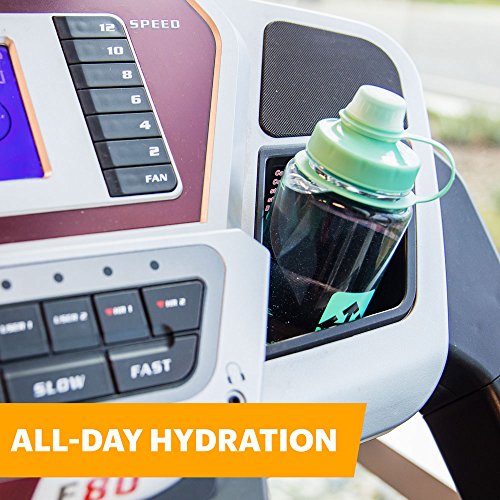
One of the top treadmill running tips, you can lose even more water running on a treadmill than you would if you were running outside since there’s little air resistance to help keep you cool. So, keep within easy reach a bottle of water or other beverage. Many of the treadmills have water bottle holders.
Depending on the temperature and humidity of the room in which you run, drink at least 4 to 6 ounces every 15 to 20 minutes during your workout session (if you feel thirsty drink and don’t wait).
12. Proper Cool Down At The End of Your Workout
When running outside, a proper cool down is also essential after a workout on the treadmill. If you’ve ever felt a little dizzy, or like you’re still moving, after getting off the treadmill, it’s most likely because you didn’t start a cool down at the end of your run. Stopping suddenly after an intensive workout can cause light-headedness because your heart rate and blood pressure drop rapidly. Therefore, a gradual slowdown is required.
A proper cool-down dramatically reduces the chances of running injuries. Additionally, the cool-down helps the recovery after a run and increases the workout’s effectiveness. Furthermore, it lowers the heart rate and breathing gradually, relaxes the muscles after intense training, and helps to eliminate lactic acid and other metabolic waste products from the muscles.
Besides the physical aspect, the cool-down has a relaxing effect on our minds after intense running.
A proper cool-down after running includes two parts:
Jogging and/or walking It is recommended to walk for at least 7 minutes, depending on the intensity of your workout. If you can monitor your heart rate, make sure to end the cool-down phase after your heart rate goes below 100 bpm.
Static stretching Static stretches improve your flexibility and range of movement. Also, speeds the recovery by bringing more blood and oxygen to your muscles.
Tips for Running on a Treadmill – Frequently Asked Questions:
What speed should a beginner run on a treadmill?
The following is a general guideline on treadmill speeds: 1) For most people 2 to 4 mph will be a walking speed 2) 4 to 5 mph will be a very fast walk or jog 3) Anything over 5 mph will be jogging or running.
Should you wear running shoes on a treadmill?
Yes, you need running shoes when running on a treadmill. The cushioning of the treadmill itself is not enough. So, although the surface of a treadmill is different from the outside you still need proper running shoes. Whatever speed you go or on an incline, you’re better off with running shoes on a treadmill.
Can the treadmill burn belly fat?
Running on a treadmill is one of the most effective ways to lose belly fat. Not only does the activity burn calories for overall fat loss, but it also directly affects the visceral fat that lies under your stomach muscles.
Is holding onto the treadmill wrong?
Holding on to the treadmill cheats the lower back out of doing work, weakening the all-important core muscles. Tall people who hold on are even more at risk for leaning forward and exercising with a slumped posture.
Is it OK to do the treadmill every day?
Exercising on a treadmill is a fantastic way to get fit and lose weight. The CDC already recommends exercising 2 and a half hours every week, which is 30 minutes per day, 5 days a week. So, it’s great if you have time to exercise 7 days a week. However, remember not to over-train as this may lead to injuries.
Is training on a treadmill OK for a marathon?
There’s no reason to have to depart from a regular training plan just because you are training indoors on a treadmill. A good marathon schedule should include a balanced mix of long runs, recovery runs, speed work, and hills. All of which can be completed on a treadmill.
How to start running on a treadmill?
1) Start with five minutes of walking to warm up, then alternate running and walking for one minute at a time for 15 minutes. 2) Finish with a cool-down walking for five minutes. 3) Each week you can increase the time spent walking by one minute per interval until you are up to running for a full 20 minutes.
You had planned to run those crucial 8 miles today as part of your training program, but you’re feeling under the weather. So, the question arises: should you go running with a cold?
It’s common for runners to feel anxious about missing a workout. The fear of losing progress, especially when training for a marathon, an Ironman, or another big event, can be overwhelming. Missing even a few days can feel like a setback that might jeopardize reaching the starting line or achieving your desired time.
However, it’s essential to prioritize your health. The following guidelines will help you determine when to rest and when it might be safe to continue running with a cold.
The most important rule to remember is: better safe than sorry. Your performance won’t suffer from missing a day or even three days of training. On the contrary, listening to your body and allowing it the rest it needs can lead to better long-term results. Be smart, be patient, and your body will thank you.
Disclaimer: This post is not medical advice and is not intended to provide diagnosis or treatment for any medical conditions. Please consult a physician or other health care professional for your specific health care and/or medical needs or concerns.
1. Can I run when I have a cold?
The answer largely depends on your symptoms. Common cold symptoms like a sore throat, nasal congestion, and a mild cough may still allow for a run. A helpful guideline is the ‘neck check’ rule:
if your symptoms are above the neck, such as a runny nose or a mild headache, it’s generally safe to go for a run. However, it’s best to rest if your symptoms are below the neck, like chest congestion, a persistent cough, or an upset stomach.
If you’re uncertain about your symptoms, it’s safer to skip your run and consult a healthcare professional. Running with a mild head cold can sometimes alleviate symptoms due to the release of adrenaline and endorphins, which might temporarily clear nasal congestion. However, if you have a fever, it’s essential to avoid running, as this can exacerbate your condition.
If you have a fever, it’s crucial to rest and avoid running.
2. How to Adjust Your Running Training Plan When You Feel Sick
When feeling under the weather, it’s crucial to modify your training plan to accommodate your condition. This might mean reducing the speed and intensity of your workouts or adjusting your schedule by swapping easy training days with more intense ones. Cold symptoms can make breathing challenging, thereby limiting your ability to exercise.
If you’re feeling relatively well despite mild symptoms, consider the following adjustments:
Extend your warm-up: Spend extra time warming up to ease into your run more gradually.
Avoid intense workouts: Skip interval training and speed work, opting for a more relaxed pace instead.
Shorten your run: Aim for a shorter distance than usual to avoid overexertion.
Dress appropriately: Ensure you’re dressed according to the weather to stay comfortable and prevent further complications.
Remember, it’s more important to focus on the effort rather than the numbers on your watch, especially when you’re not feeling 100%. Using a heart rate monitor can help you maintain a safe and appropriate level of exertion by keeping track of your heart rate zone.
3. Running with the Flu or a Severe Cold
If you’re experiencing symptoms of the flu, such as muscle aches, fever, or significant weakness, do not run. Engaging in physical activity while running a fever and experiencing pain is not only dangerous but can also exacerbate your illness, leading to a longer recovery period and more missed training days.
Avoid running with the flu!
A fever indicates that your body is fighting an infection, whether viral or bacterial. Running with a fever can cause your body to overheat, worsening symptoms and potentially posing immediate or long-term health risks. Additionally, exercise can temporarily weaken the immune system, particularly in the 20 hours following intense workouts, making you more susceptible to infections.
Running while sick with the flu diverts your body’s resources away from fighting the virus, slowing down your recovery. Therefore, it’s crucial to rest and allow your body to heal fully.
Remember, it typically takes at least 10 days to lose physical fitness, so missing a few days of training won’t have a significant impact.
The same precautions apply if you’ve had Covid-19. It’s vital to avoid running until all symptoms have resolved.
How Long Should I Wait After the Flu Before Returning to Running?
There’s no one-size-fits-all rule for when to resume running after recovering from the flu. The timeline can vary depending on the severity of your illness and your overall health.
Generally, if you experienced a mild case, you can consider returning to training at least 24 hours after you feel fully recovered and no longer have a fever.
However, it’s advisable to start with low-intensity workouts and closely monitor your body’s response to ensure a safe return to your routine.
Common Mistakes to Avoid:
➤ 1. Don’t Overcompensate for Missed Training
It’s tempting to make up for lost time, but avoid pushing yourself too hard too soon. After an illness, your immune system may still be vulnerable, and your body might not be ready for high-intensity workouts. Start with easy sessions, gradually increasing the pace and distance after at least three days of slow and short runs.
➤ 2. Practice Patience
While missing training can be frustrating, it’s crucial to listen to your body and give it time to recover fully. Rushing back into intense workouts can prolong your recovery and potentially lead to further illness. Patience will allow you to return to running sooner and in better health.
Setting realistic goals during your recovery period can help you manage your expectations and reduce anxiety.
➤ 3. Stop if You Feel Unwell During a Run
If you start feeling unwell while running, it’s best to stop or at least slow down and shorten your run. Listening to your body is key to preventing further illness or injury.
➤ 4. Returning to Group Training
If you usually train with a running group, consider running alone for a while as you recover. Being in a group can sometimes lead to pushing yourself too hard due to competition or peer pressure. Running solo allows you to focus on your own pace and recovery without external pressures.
4. Listen to Your Body
When you’re dealing with a cold or feeling unwell, it’s important to listen to your body and use common sense to determine whether you should slow down or take a rest day.
If you’re not up for running but still feel well enough for some light activity, consider gentle exercises like Pilates or yoga specifically tailored for runners. These activities allow you to move your body while providing the flexibility to stop if you start feeling worse. Prioritizing your well-being ensures a safer and quicker recovery.
When deciding whether to run while feeling sick, you should also listen to your body and use common sense.
5. The Immune Response
The immune system plays a critical role in protecting the body from infections, but running while sick can impact this system’s effectiveness.
Temporary Immunosuppression: Intense exercise can temporarily suppress the immune system, especially when sick. This makes the body more susceptible to infections and can potentially worsen the current illness. The phenomenon known as the “open window” effect occurs after prolonged, intense exercise, during which the body’s immune defenses are lowered for some time.
Inflammatory Response: Running can induce an inflammatory response in the body, which, when combined with the inflammation caused by an illness, can lead to increased symptoms such as muscle aches and joint pain.
Delayed Recovery: By diverting energy and resources away from the immune system’s efforts to fight off an infection, running can prolong recovery times. The body needs rest to heal, and physical exertion can delay this process.
Immune Response Levels During Illness: Normal, Sick, and Sick with Exercise
The above diagram is based on the scientific article “The Compelling Link Between Physical Activity and the Body’s Defense System” by David C. Nieman and Laurel M. Wentz. It was published in the Journal of Sport and Health Science, Volume 8, Issue 3, May 2019, Pages 201-217. You can access the article here.
In conclusion, when you’re sick, running can further weaken your immune system, prolonging recovery. Prioritize rest and allow your body time to heal, especially if you have symptoms like chest congestion or fever.
Running With a Cold: Frequently Asked Questions
Will running with a cold make it worse?
Running at a moderate pace is unlikely to worsen your illness or symptoms, but it won’t necessarily shorten the duration. One benefit of light exercise, like easy running, is that it can help break up congestion, especially if you’re well-hydrated. However, dehydration can exacerbate congestion, so drinking plenty of fluids is essential.
Is it bad to run when you have a sore throat?
According to the ‘neck check rule‘, if your symptoms are above the neck—such as a sore throat, runny or stuffy nose, or sneezing—it’s generally safe to go for a short, easy run. This can sometimes help, as physical activity may release epinephrine, a natural decongestant. However, pay attention to your body and stop running if you experience symptoms like dizziness, nausea, or excessive sweating.
Should I run with a chesty cough?
A chesty cough is below the neck, so following the ‘neck check rule’, you should avoid running, especially if accompanied by a fever or other symptoms like chest congestion or a productive cough. It’s best to rest until these symptoms resolve.
How long after exposure to the flu do symptoms appear?
Flu symptoms, including muscle aches, fever, and weakness, typically appear about two days after exposure to the virus, though they can range from 1 to 4 days. Some individuals may carry the flu virus without showing symptoms. Regardless, if you experience flu symptoms, do not run! It’s crucial to rest and recover fully before resuming physical activity.
Running in cold weather presents unique challenges that go beyond discomfort. Cold air, slippery surfaces, and reduced muscle elasticity can increase the risk of injury, hypothermia, and performance decline if you are not properly prepared.
Whether you are training for a race or maintaining your fitness through winter, understanding how cold conditions affect your body is essential. Runners face specific risks in winter, including icy footing, increased muscle stiffness, hidden dehydration, and prolonged exposure to low temperatures that can compromise safety and recovery.
Simply adding extra layers is not enough. Running safely and effectively in cold weather requires smart preparation, proper clothing choices, and small but important adjustments to pacing, warm-up routines, and hydration.
In this guide, you will find 10 essential tips for running in cold weather that will help you stay safe, reduce injury risk, and continue training confidently throughout the winter months.
1. Clothing – What to Wear When Running in Cold Weather?
Dressing appropriately for cold weather runs is essential, but it is just as important not to overdo it. Overdressing can lead to excessive warmth, discomfort, and reduced performance. Finding the right balance in your outfit is key to staying comfortable and effective during winter runs. Choosing the right winter running gear helps you manage temperature, moisture, and protection from wind and rain.
A simple layering system works best for most cold-weather runs.
Base Layer
Start with a moisture-wicking base layer that sits directly against your skin. Materials such as polyester, merino wool, or technical blends help move sweat away from the body, reducing the risk of chilling. Avoid cotton, which traps moisture and can quickly make you feel colder.
Mid Layer
Add an insulating mid-layer, such as a long-sleeve running top or lightweight thermal shirt. This layer helps retain body heat without restricting movement and can be adjusted or removed if your body temperature rises during the run.
Outer Layer
In windy, rainy, or snowy conditions, finish with a thin, breathable outer layer. A wind-resistant or waterproof jacket with ventilation features helps block the elements while preventing heat and moisture buildup.
Cold-Weather Accessories
Accessories play a critical role in cold conditions, especially when temperatures drop below freezing.
Gloves: Hands are highly susceptible to cold. Insulated, moisture-wicking gloves help protect against numbness and frostbite.
Socks: Choose moisture-wicking socks made from wool or synthetic materials to keep feet dry and insulated.
Hat: A lightweight thermal hat or beanie helps reduce heat loss and protects the ears.
Neck gaiter or buff: On very cold or windy days, a gaiter can be pulled over the mouth and nose to help warm the air before it reaches the lungs
🌡️ Temperature Guide: What to Wear When Running in Cold Weather
Clothing needs vary based on temperature and conditions. Use the ranges below as a general guide and adjust based on wind, humidity, and personal tolerance.
30–40°F (-1–4°C): Base layer, mid layer, wind-resistant jacket, long tights, gloves, light hat
20–30°F (-7 to -1°C): Base layer, insulated mid layer, weatherproof outer layer, thermal tights, gloves, hat, neck gaiter
Below 20°F (-7°C): Heavier insulation, full thermal coverage, double layers for hands and feet, face and head protection
Layering for a Run – What to wear when running in cold weather as the temperature decreases. Image credit: Spark People
💡A practical rule of thumb when running in cold weather is to dress as if it feels 10–15°F (5–8°C) warmer than the actual temperature, since your body will heat up once you start moving.
2. Getting Ready: Effective Warm-Up Techniques for Cold Weather Runs
A proper warm-up is essential for any run, but it becomes especially important when running in cold weather. Low temperatures reduce muscle elasticity and joint mobility, increasing the risk of strains and stiffness if you start too fast. Taking extra time to warm up helps prepare your muscles, joints, and cardiovascular system for the demands of running and lowering your risk of running injuries.
ℹ️Whenever possible, begin your warm-up indoors. A warmer environment allows your body to transition gradually from rest to movement, making the first minutes of your run safer and more efficient once you step outside.
Phase 1: Dynamic Movements to Prepare the Body
The first phase of a cold-weather warm-up should focus on controlled dynamic movements that gradually increase blood flow and joint mobility. These movements help wake up cold muscles and prepare them for more demanding activity.
Unlike static stretching, which can place stress on stiff tissues, dynamic movements guide your joints through a natural range of motion while gently increasing muscle temperature.
Examples include:
Leg swings, forward and sideways, to loosen hips and hamstrings
Arm circles, to activate the shoulders and upper body
Torso twists to improve spinal mobility and engage the core
These movements should feel smooth and progressive, never forced.
Phase 2: Light Technique Drills
Once your body is moving more freely, light technique drills can further activate running-specific muscles and reinforce good mechanics. Exercises such as high knees, butt kicks, or skipping help bridge the gap between general movement and running itself, especially in cold conditions.
Phase 3: Transition Outdoors With an Easy Warm-Up Jog
When you begin running outside, start at a relaxed, conversational pace. The first 1 to 2 miles should feel intentionally easy, allowing your body to fully adapt to the cold air and surface conditions before increasing intensity. Gradual progression reduces early-run stiffness and lowers injury risk.
📌 Putting It All Together
An effective cold-weather warm-up combines indoor movement, light drills, and an easy outdoor transition. Treating the warm-up as a sequence rather than a single action helps you start each run prepared, comfortable, and ready to train safely in cold conditions.
3. Winter-Ready Running Shoes
Choosing the right running shoes is especially important when running in cold weather. Winter conditions introduce additional challenges such as wet surfaces, ice, snow, and reduced ground feel, all of which can affect stability, comfort, and injury risk. While no single shoe is perfect for every condition, footwear designed with winter running in mind can significantly improve safety and confidence.
Key Features to Look For in Winter Running Shoes
When selecting shoes for cold and wintery conditions, focus on the following characteristics:
Water Resistance: Many winter running shoes use water-resistant uppers to help keep feet dry in rain, slush, or light snow. While no shoe is fully waterproof, pairing a water-resistant upper with moisture-wicking socks is usually sufficient for most winter runs.
Traction and Stability: Enhanced outsole patterns and grippier rubber compounds improve traction on wet, icy, or compacted snowy surfaces, reducing the risk of slipping.
Insulation: Some models include light thermal linings to help retain warmth without sacrificing breathability or adding unnecessary bulk.
Weight and responsiveness: Shoes should remain relatively lightweight, even when damp, to avoid feeling sluggish or heavy during longer runs.
Improving Grip on Ice and Snow
For runners who frequently encounter ice or packed snow, additional traction devices can provide an extra margin of safety. Traction aids such as Yaktrax or similar running cleats fit over standard running shoes and use coils or spikes to improve grip on slippery surfaces. These tools can be especially helpful for maintaining training consistency during harsh winter conditions, though they should be used only when surfaces truly require them.
Managing Wet and Snowy Terrain
To reduce discomfort from wet feet, look for shoes made with quick-drying materials and consider using waterproof gaiters in snowy conditions. Gaiters help prevent snow, slush, and debris from entering the shoe, keeping feet drier and warmer during longer or off-road runs.
By selecting footwear suited for winter conditions and adapting traction when necessary, you can run more confidently in cold weather while minimizing the risk of slips, cold-related discomfort, and avoidable injuries.
4. Staying Hydrated: A Crucial Part of Cold-Weather Running
Hydration matters just as much in cold weather as it does in the heat, even though lower temperatures often reduce your sense of thirst. Cold, dry air can still lead to fluid loss through breathing and sweat, making dehydration easy to overlook. Staying properly hydrated before, during, and after your run helps support performance, temperature regulation, and recovery.
Hydration Before and After Your Run
Start your run already hydrated by drinking water beforehand, without overdoing it. After your run, focus on replenishing lost fluids. Water is usually sufficient, but warm options like herbal tea or clear soups can be especially comforting and effective after exposure to cold conditions.
Be Mindful of Dehydrating Drinks
Avoid alcohol and other dehydrating beverages, particularly before running. Alcohol can worsen dehydration and, in cold environments, may interfere with your body’s ability to regulate temperature, increasing the risk of cold-related stress.
Hydration During Cold-Weather Runs
For medium to long runs, plan to drink during your workout. Handheld bottles,hydration vests, or running backpacks make it easier to sip fluids at regular intervals. In freezing temperatures, insulated bottles or sleeves can help prevent liquids from freezing, ensuring your hydration plan remains effective.
How Much Should You Drink?
Hydration needs vary based on pace, duration, sweat rate, and weather conditions. As a general reference, many runners aim for around 5–6 ounces of fluid every 20 minutes during longer runs. However, listening to your thirst signals and adjusting intake accordingly is often a practical and effective approach, especially in cold weather.
Don’t Forget Electrolytes
While water is essential, electrolytes also play an important role during longer or more demanding runs. Replacing sodium and other electrolytes helps maintain fluid balance and reduces the risk of overhydration-related issues. For extended cold-weather runs, electrolyte drinks or supplements can be beneficial, even if you don’t feel like you’re sweating much.
ℹ️ By staying mindful of hydration and adjusting your strategy for colder conditions, you can support consistent performance, reduce fatigue, and run more comfortably throughout the winter months.
5. Light Up Your Run: Stay Visible and Safe in Low-Light Conditions
Shorter days and overcast winter weather often mean running in low-light conditions, making visibility a key safety factor. Using reflective gear helps ensure you’re seen by drivers, cyclists, and other runners, significantly reducing the risk of accidents during early morning or evening runs.
Essential Reflective Gear for Winter Running
Reflective Running Vest A lightweight, high-visibility vest is one of the most effective ways to improve visibility. It provides broad reflective coverage without restricting movement or adding bulk.
Reflective Bands Worn on the arms, wrists, or ankles, reflective bands create 360-degree visibility. Movement-based reflection helps others recognize you as a runner, not just a stationary object.
LED Safety Lights Small, clip-on LED lights add active illumination and are especially useful in poorly lit areas. They can be attached to clothing, shoes, or a hydration pack to increase visibility from a distance.
Reflective Running Apparel Many winter running jackets, tights, and shoes include built-in reflective elements. These offer added safety without requiring extra accessories.
Tips for Maximizing Visibility
Use more than one type of reflective or illuminated gear to remain visible from all angles and in changing light conditions.
Choose bright or fluorescent colors for daytime runs, particularly when skies are overcast or the sun is low.
Regularly inspect your gear to ensure reflective elements remain effective and haven’t faded due to wear or washing.
Staying visible is just as important as staying warm and hydrated when running in cold weather. With the right reflective and illuminated gear, you can run more confidently and safely throughout the winter season.
Winter running is less about chasing speed and more about staying safe while maintaining consistency. Cold temperatures, wind, rain, and icy surfaces all increase injury risk, and slowing your pace is one of the simplest ways to reduce it without sacrificing long-term fitness.
Why Running Slower in Cold Weather Matters
Cold muscles are naturally stiffer and take longer to reach optimal elasticity, which makes them more vulnerable to strains and pulls. Running at a controlled, conversational pace allows your body to adapt gradually to winter conditions and uneven terrain.
Slowing down will not set your training back. Research and coaching practice consistently show that easy-paced runs help build aerobic capacity, improve running economy, and support recovery. These runs form the foundation that allows you to train harder and faster when conditions improve.
How to Run Safely in Winter Conditions
Start conservatively: Ease into your run and allow extra time for your muscles to warm up before increasing pace.
Watch your footing: Pay close attention to shaded areas where ice can linger longer, even when roads appear clear.
Choose safer routes: Opt for well-lit, frequently maintained paths that are less exposed to wind or traffic.
Stay adaptable: If conditions worsen due to snow, freezing rain, or strong gusts, slow down, shorten the run, or turn back. Sticking rigidly to a planned pace is never worth the risk of injury.
💡Safety Reminder
Winter surfaces can change quickly. A route that feels safe early in your run may become slippery or unstable later. Prioritize balance, awareness, and control over pace or distance goals.
By accepting a slower pace during cold-weather runs, you protect your body, reduce injury risk, and continue building fitness steadily. When warmer conditions return, that patience often translates into stronger, faster, and more resilient running.
7. Caps and Beanies for Cold Weather Runs
Choosing the right headgear can significantly improve comfort, visibility, and temperature control when running in cold or wet conditions. A simple cap or beanie can make the difference between an enjoyable run and a distracting one.
When to Wear a Cap in Cold or Rainy Weather
A lightweight running cap with a brim is especially useful on rainy or snowy days. The brim helps keep precipitation out of your eyes, improving visibility and allowing you to stay focused on footing and surroundings. Caps are also useful in mild cold, offering light protection without trapping too much heat.
When a Beanie Makes More Sense
In colder, windier, or dry conditions, a thin running beanie provides better insulation. While the idea that most body heat escapes through the head is a myth, exposed skin does contribute to heat loss. Covering your head helps retain warmth and protects sensitive areas such as the ears, which are especially vulnerable in cold wind.
Look for breathable, moisture-wicking materials that provide warmth without overheating. Avoid thick, non-breathable fabrics that can trap sweat and lead to chills later in the run.
Adjust for Comfort as You Run
Cold-weather conditions can change quickly, and so can your body temperature. If you begin to feel too warm, remove your beanie or switch to a cap during the run. 📌 Staying adaptable helps maintain comfort and prevents overheating.
By matching your headgear to the weather and adjusting as needed, you can stay comfortable, focused, and in control during cold-weather runs.
8. Post-Run Recovery: Warm Up and Stabilize Your Body
Cold-weather runs place extra stress on your body, making proper post-run recovery essential. The goal after a winter run is to restore body temperature, support muscle recovery, and prevent excessive heat loss once you stop moving.
Change Into Dry Clothes Quickly
Sweat-soaked clothing cools rapidly in cold air and can cause your core temperature to drop soon after finishing your run. Change into warm, dry layers as soon as possible, ideally before stretching or cooling down, to stay comfortable and reduce the risk of post-run chilling.
Rehydrate with Warm Fluids
Drinking a warm beverage such as tea, coffee, or broth helps replace lost fluids while gently raising your core temperature. Warm drinks can also promote relaxation, making the transition from exercise to recovery smoother in cold conditions.
Use Heat to Support Muscle Recovery
A warm shower or bath can help relax tired muscles, improve circulation, and stabilize body temperature after exposure to the cold. This is especially beneficial after longer or higher-intensity winter runs, when muscle stiffness tends to be greater.
ℹ️ By focusing on warmth, hydration, and comfort after your run, you support faster recovery and reduce the strain cold weather places on your body, helping you stay consistent throughout the winter season.
Drinking a hot beverage to increase body heat after running in cold weather
9. Navigating Extreme Conditions: Stay Safe and Train Smart
Extreme winter conditions such as freezing temperatures, strong winds, or heavy snowfall require extra caution. While consistency matters, safety should always take priority. Knowing when to adjust your training helps protect your health and keeps your progress sustainable.
Understand the Risks of Extreme Cold
Hypothermia: Prolonged exposure to severe cold can cause a dangerous drop in core body temperature, leading to intense shivering, confusion, poor coordination, and in severe cases, loss of consciousness.
Frostbite: Wind and moisture accelerate heat loss from exposed skin, increasing the risk of frostbite on fingers, toes, ears, and the face.
Adapt Your Training When Conditions Worsen
On particularly harsh days, moving your workout indoors is often the smartest option. Running on a treadmill or using gym-based cardio machines allows you to maintain aerobic fitness in a controlled, safe environment.
You can also rotate in alternative workouts such as strength training, yoga, mobility sessions, or low-impact cardio. These activities help preserve fitness, improve resilience, and reduce injury risk when outdoor running is unsafe.
Prepare Before Every Winter Run
Check the forecast: Review temperature, wind chill, and precipitation before heading out. Extreme conditions are a clear signal to modify or postpone your run.
Dress for protection: Layer appropriately, cover exposed skin, and use wind-resistant outer layers to limit heat loss.
Running When You’re Sick: Know When to Rest
If you’re unsure whether it’s safe to train, understanding the basics of running when you feel sick can help you make a smarter decision. Use the commonly accepted “neck check” as a general guideline:
Above-the-neck symptoms (such as mild congestion or a light sore throat): Easy, short runs may be acceptable if energy levels are normal.
Below-the-neck symptoms (such as chest congestion, body aches, or fatigue): Rest is the safer choice.
If you have flu-like symptoms including fever, chills, or pronounced fatigue, avoid running altogether. Exercise in these conditions can stress your immune system and delay recovery. When unsure, consult a healthcare professional.
Listen to Your Body and Adjust
Winter running is about making smart, flexible decisions. Learning how to listen to your body helps you prioritize safety, adjust your plans, and choose indoor alternatives when needed, so you stay healthy, consistent, and ready to train hard when conditions improve.
Disclaimer: This post is not medical advice and is not intended to provide diagnosis or treatment for any medical conditions. Please consult a physician or other health care professional for your specific health care and/or medical needs or concerns.
10. Embrace the Pack: Strength in Numbers During Cold Weather Runs
Running in cold weather does not have to be a solo challenge. Training with friends or a group can make winter runs safer, more motivating, and far more enjoyable, especially when conditions are tough.
Safety in Numbers
Cold, wet, or slippery conditions increase the risk of falls and fatigue. Running with others provides an extra layer of safety, whether that means help in case of injury, navigating changing weather, or simply having someone notice if something feels off. Group awareness adds reassurance when conditions are less predictable.
Motivation and Accountability
It is much easier to step outside when you know others are expecting you. Group runs create accountability and shared commitment, making it less tempting to skip a workout on cold or gloomy days. This consistency can be especially valuable during winter, when motivation often dips.
Shared Enjoyment and Connection
Running with others turns challenging conditions into a shared experience. Conversation, encouragement, and collective determination help pass the miles more quickly and make winter training feel less like a chore and more like a social activity.
👥 Whether you run with a friend or join a local running group, embracing the pack can help you stay consistent, safe, and inspired throughout the winter season.
➤ Running in Cold Weather: Frequently Asked Questions
How Should You Run Safely in Cold Rain?
1. Shorten your stride and slow down to improve stability, especially on wet or downhill surfaces. 2. Watch the terrain ahead and avoid puddles, slick pavement, or painted road markings, which can become surprisingly slippery when wet, whenever possible. 3. Dress in moisture-wicking layers and avoid cotton, which stays wet and cold. 4. Wear a cap with a brim to keep rain out of your eyes and improve visibility. 5. Choose lightweight or water-resistant running shoes to prevent them from becoming heavy when soaked.
How Do You Run Safely in the Snow?
1. Adjust your running form by taking shorter, quicker steps and lifting your feet slightly higher. 2. Treat snowy routes like trail runs, scanning several meters ahead for uneven footing or ice. 3. Prefer fresh snow over packed snow or ice, which tends to be more slippery. 4. Stick to familiar routes where you are familiar with the terrain and potential hazards. 5. Use a headlamp or running light in low-light conditions to spot icy patches early. 6. Extend your warm-up and cool-down to protect cold muscles and joints. 7. Wear warm socks and traction aids if conditions are icy or compacted.
How Do You Dry Running Shoes After a Cold or Rainy Run?
Drying shoes properly helps prevent odor, material damage, and discomfort on your next run. 1. Remove dirt and debris with a damp cloth and rinse the outsole if needed. 2. Stuff shoes with newspaper or paper towels to absorb moisture. 3. Air-dry in a ventilated space for 24 to 48 hours, replacing the paper as it becomes damp. 4. Avoid direct heat sources like radiators or dryers, which can damage shoe materials.
How Cold Is Too Cold to Run Outside?
There is no single cutoff temperature, but safety should always guide your decision. 1. Listen to your body, as cold tolerance varies between runners. 2. Assess mobility, and if heavy layers restrict natural movement, conditions may be too cold. 3. General guidance suggests most healthy runners can run safely down to about -5°F (-20°C) with minimal wind, but exposure should be limited and runs kept short. 4. Avoid dangerous conditions, including icy surfaces, strong winds, or winter storms. 5. Watch for warning signs, such as uncontrollable shivering, numbness, confusion, or extreme fatigue, and stop immediately if they appear.
Can You Run in Cold Weather When You Feel Sick?
Cold weather adds stress to your body, so illness requires extra caution. 1. Mild, above-the-neck symptoms like a runny nose or light congestion may allow for an easy, short run. 2. Below-the-neck symptoms such as chest congestion, body aches, or fatigue are a clear signal to rest. 3. Fever or flu-like symptoms mean you should avoid running entirely until fully recovered.
“What’s Keto Rash and How to Prevent It?” article was originally published onHVMN Authored by Ryan Rodal
Picture this, you’ve just sat down at the kitchen table, and eggs and bacon are sizzling in front of you. The aroma of your favorite butter coffee wafts cartoon-like from the mug all the way to your nose. You’ve started the ketogenic diet and things have been going well. You’re using MCT oil. You’re hitting the high-fat, low-carb, moderate-protein macronutrient ratios. Maybe you’ve even tried incorporating intermittent fasting into the routine.
But suddenly, there’s an itch.
Not an itch for a doughnut, but an itchy feeling all over your skin.
Maybe you didn’t notice before, but now you realize there’s a rash on your chest, stomach, or back.
What in the world could be causing this level of discomfort?
It could be the first sign of “keto rash.”
Let’s explore what causes keto rash, and look at some ways to both prevent and cure it.
1. Your body’s Reaction to Carb Depletion
The ketogenic diet is a low-carb, moderate protein, high-fat diet with one goal—enhance ketone production.
Typically the body is predesigned to run on glucose (carbohydrates) as its main energy source. In the standard Western Diet, about half of your macronutrients come from carbohydrates. But as you decrease carbohydrate intake, the body (and brain) must turn to alternative fuel sources.
When compared to carbohydrates, our bodies store larger amounts of
fat. The problem with fat is that the brain can’t use it as energy; the brain
loves carbs.
So in order to provide our brains with fuel, we evolved to create ketones for fuel from the breakdown of fatty acids (ketones cross the blood-brain barrier; fat does not).
Ketones are a highly efficient energy source for both the brain and the body.
But when the body adapts to a low-carb diet, things can get tricky at first. The body responds to a series of changes to transition from using glucose (carbs) for energy to using ketones as fat. Blood sugar drops, cause hypoglycemia (which is low blood sugar < 55mg/dl. Other bodily systems that alter electrolyte, water, and hormone levels can lead to dehydration.
Ketosis can provide a wide range of health and weight loss benefits, but
the early transition period may cause some people to experience temporary
unwanted side effects including the keto
flu, an electrolyte imbalance, or even what’s known as the keto rash.
2.What is Keto Rash?
The keto rash, better known as prurigo pigmentosa, is a rare inflammatory skin condition associated with ketosis causing red itchy rashes on the neck and upper body. Although there is limited research on keto rash, we do know a few things. What people are the most affected while doing a ketogenic diet? It’s twice as common in girls and women, and the average age of onset is 25.
Prurigo pigmentosa is different from other skin lesions in its unique reticular pattern, which occurs during all stages of the condition.
If those rectangular bumps all over your body aren’t enough of a sign, let’s look at a few more symptoms of keto rash.
Symptoms of Keto Rash
The symptoms of keto rash can look similar to dermatitis or eczema; as a result, some people may initially be misdiagnosed. Symptoms of the keto rash may include one or more of the following:
Symptoms of Keto Rash
An itchy, red skin rash found on the upper back, chest, and neck typically occurring in a symmetrical pattern on both sides of the body
Red-colored spots known as “papules,” which usually have a web-like appearance
Dark spots are left on the skin after the spots dissipate
Prurigo pigmentosa is not a life-threatening or dangerous
condition, but it can cause discomfort to those dealing with it.
Stages of Keto Rash
The keto rash consists of four main stages, including early lesions, fully-developed lesions, resolving legions, and late lesions.
Early lesions: Early stages consist of light pink raised skin lesions that look similar to scratch marks. These will usually occur around the stomach, chest, back, and neck. Oftentimes, people confuse this stage as a temporary rash and don’t do anything to address the symptoms.
Fully-developed lesions: The skin begins showing more distinct skin lesions, also known as papules. Sometimes these papules contain liquid or pus-filled cysts. This is typically the time when people become concerned about the condition.
Resolving lesions: The rash begins to recede and papules become crusty. The color of the legions tends to get darker.
Late lesions: Once the rash begins to go away, the spots turn darker and they form a web-like appearance. This formation of dark skin discoloration can last an extended period of time, even after the rash is gone.
The severity of the rash can vary from person to person. Anecdotal
research has shown it can last days for some people while others may take
months to occur.
3. What Causes Keto Rash?
While we’ve touched on carb depletion as a potential reason for keto rash, the exact cause is unknown. The rash typically appears when someone has started to enter ketosis.
Several case studies have been performed on subjects experiencing
the keto rash, and most were following a low-carbohydrate diet.
A 16-year-old complained of a case in which she experienced red, pruritic vesicles on her trunk and neck. During the month prior to the outbreak, she had begun a strict low-carbohydrate diet. She experienced papules on her neck, back, and clavicle areas. She also had pale brown reticular pigmentation on her front chest. The treatment she received was a 100mg dosage of doxycycline per day, and the rash eventually subsided.
Symptoms typically arise as a result of ketosis. Anecdotal research has shown the condition may be exacerbated by sweat that dries on the body.
Besides dietary choices, there are also external factors that can influence the severity of keto rash including:
Sunlight
Excessive heat
Sweating
Friction
Skin trauma
Other skin allergies
Hormonal differences
Gut bacteria
So, if you’re an active, outdoorsy individual, you may be
susceptible.
Extremely hot weather and sweat from exercising can make the condition worse. If you are experiencing a keto rash, the good news is that there are several ways to remedy the condition or prevent it altogether.
4.How to Cure the Keto Rash?
The keto rash can be an unfortunate side effect of the ketogenic
diet for a small number of people.
The condition is rare and uncomfortable, but not considered life-threatening. Here are some ways to help you get rid of the keto rash starting with the least drastic measures.
Give it Time
This feels like some advice a father would give; akin to “walk it
off.”
Some instances of keto rash may be resolved on their own by
waiting for symptoms to subside. The transition
to ketosis can take time for the
human body to grow accustomed. Don’t panic if a rash does occur. It could go
away on its own.
Although the rash can
sometimes disappear on its own, don’t wait for too long. If the symptoms don’t
go away after a week or two, it may be to take some additional steps to combat
the skin irritation.
Non-Dietary Methods
You’ve worked hard to get into ketosis. So before making any drastic dietary changes, let’s consider some alternatives taking. Since several external factors can influence the severity of the keto rash, try doing a few of the following things first.
Non-Dietary Methods of Treating Keto Rash
Wear comfortable clothing: this may sound like a no-brainer, but try wearing comfortable loose-fitting clothing. If you can minimize the amount of sweat on your body, you can reduce the severity of the keto rash. Tight-fitted clothing that traps sweat against the skin will only serve to make the condition worse.
Shower immediately the following exercise: if you regularly perform intense workouts, chances are you sweat quite a bit. After finishing your workout, try to shower immediately if possible. This will help keep pores clear and may prevent the rash from spreading.
Adjust or quit exercising temporarily: obviously, regular exercise provides a number of health benefits, but if it causes severe skin conditions, consider taking a brief hiatus. Eliminate all exercises and sweat-causing activities from your routine and see if the keto rash subsides.
If none of the methods above help to resolve keto rash issues,
then it’s time to take some additional steps that can help combat this dreaded
condition.
Eat Sufficient Nutrients
Nutrient deficiencies can play a significant role in overall skin health. When switching to a ketogenic diet, it’s important to make sure you’re still getting vital nutrients in your diet.
Acute and chronic skin conditions can occur if your body is lacking in vital micronutrients such as vitamin A, vitamin B-12, or vitamin C.
A 2010 study concluded that dietary modifications to address nutritional deficiencies may help prevent recurrences of many skin conditions.
Be sure to eat plenty of vegetables and low-carb fruits to optimize your health and well-being. If this becomes difficult, consider taking some form of multivitamin or supplementation to counteract any lack of nutrients in your diet.
Eliminate Inflammatory Foods
The cornerstone of keto is low-carb, high-fat foods, such as eggs, dairy, fish, and nuts. Some of these foods contain compounds that act as allergens to many individuals, which may lead to inflammation.
Allergic inflammation now afflicts roughly 25% of people in the developed world. Allergic subjects can result in chronic allergic inflammation resulting in long-term changes in the structure of organs and abnormalities in their function. It’s important to eliminate food allergies from your diet in order to minimize the potential chance of allergic reactions. You may also have a slight intolerance to a food that you never realized because you weren’t eating it in large quantities.
When symptoms of keto rash arise, it’s important to note any
dietary changes that you may have made. Eliminate potential inflammatory foods
to prevent rash symptoms from worsening.
Use Anti-Inflammatory Supplementation if Needed
If the elimination of inflammatory foods still doesn’t work, try
using anti-inflammatory supplementation if needed.
Meta-analyses have shown certain supplements that may help lessen symptoms of dermatitis. Natural therapies such as probiotics, prebiotics, and fish oil have been used to decrease the symptoms of skin irritations. If you’re looking for high-quality Omega-3 fish oil, check out Kado by H.V.M.N. It contains astaxanthin, a natural anti-inflammatory.
Reintroduce Carbohydrates into Your Diet
If a sudden switch to a keto diet caused the rash to occur, temporarily add healthy high-quality carb sources into your diet such as sweet potatoes, yams, fruit, fortified whole grains, or carrots.
There have been several case reports of reintroducing dietary
carbohydrates to help resolve skin problems.
A 43-year-old woman began experiencing symptoms of keto rash three weeks after beginning a ketogenic diet (consisting of less than 20g of carbs per day).
She quickly developed skin lesions that turned into papules. Exercising made her condition worsen. All attempts to combat the keto rash were unsuccessful until she resumed a higher carbohydrate diet. After adding carbs back into her diet the keto rash never occurred again.
An 18-year-old Japanese man began a ketogenic diet and started developing symptoms of the keto rash after nine days. Carbohydrate intake was raised from 16g per day to 90g per day and symptoms subsided and remained gone even after an 8-month follow-up.
Both cases were resolved by an increase in dietary carbohydrates. Everyone is different, so adhering to a strict, < 50g of carbs per day ketogenic diet might not be best for your needs. Try adjusting macronutrient ratios and incorporating more healthy carbohydrates into the diet.
Cyclical Ketogenic Diet
Although people tend to think of keto as an all-or-nothing diet
strategy, the truth is another option exists.
A cyclical ketogenic diet is an alternative form of keto that allows you to stay in ketosis most of the time while consuming carbs one to two days per week.
Most people eat keto five to six days per week and consume controlled amounts of complex carbs in the remaining days. This doesn’t mean you go all out and stuff your face with pizza.
On cyclical keto, your “carbing-up” days will allow you to eat healthy carbohydrate options in moderation.
Certain people, such as strength athletes and bodybuilders, may perform better with some carbohydrates because they’re a fast-burning fuel best reserved for high-intensity exercise. Just schedule carb-up days around heavy workouts for optimal use of glucose stores.
Utilizing this strategy, you may be able to enjoy the benefits of keto while minimizing unwelcome side effects such as the keto rash.
Practice Skin Care
Your skin should be nourished and properly cared for as much as
the rest of your body—especially if you are prone to certain skin conditions.
Use room temperature water to wash your body and clean with
gentle, all-natural soaps. Using extremely hot water can cause the rash to
become inflamed and worsen over time. Certain soaps can also cause the skin to
be irritated.
You should also keep your skin moisturized at all times to protect against sun damage and harmful UV rays. People with especially sensitive skin should take care to avoid external irritants.
Use Medication if Necessary
Dietary and lifestyle changes may not clear up skin conditions for all people.
If you have tried all of the steps listed above, a doctor may prescribe anti-inflammatory medications such as minocycline or doxycycline to clear up your skin. These antibiotics can be useful for clearing up rashes if needed.
5. Prevention and Care
The keto rash is a rare side effect sometimes associated with the ketogenic diet. Although it is uncommon, you should consider taking a few extra steps to prevent it.
Each and every person’s body reacts differently to the keto diet. As with any diet, it’s best to make slow gradual adjustments rather than jumping right into full keto. Slowly cut carbohydrates from your diet until you’re able to taper them out completely.
As you begin your keto journey, pay close attention to potential issues that may arise. If you begin to notice symptoms of keto flu or keto rash, temporarily increase carb intake to prevent symptoms from getting worse. There are also other measures you can take, including avoiding inflammatory foods, not wearing tight clothing, and ensuring a proper balance of micronutrients. If home remedies fail to improve your condition, see your doctor, who may be able to provide you with the tools necessary to help you alleviate keto rash.
Keto Rash Frequently Asked Questions
How do you prevent and cure a Keto rash?
1. Let it heal on its own as you adapt to Keto. 2. Increase your carb intake. 3. Try eliminating allergens from your diet. 4. Supplement with vitamins, minerals, and omega-3s (if you are deficient in them) 5. Eat more anti-inflammatory foods. 6. Avoid skin irritants and take care of your skin. 7. Avoid Sweating. 8. Add Stress-Relieving Techniques to Your Daily Schedule. 9. Talk to your doctor about medication.
How long does a Keto rash last?
The best-case scenario for those of you who have a Keto rash is that it goes away after one to two weeks. The worst-case scenario is that you’re one of the few people who get it every time you follow Keto. You will either experience one of the two extremes or somewhere in between if you get the Keto rash.
Will the Keto rash go away on its own?
Acetone levels typically go down when your body becomes more efficient at burning ketones. So, if the rash is related to acetone in sweat, it should clear up (just like breath acetone clears up) once you are fully in ketosis (up to three weeks, but usually sooner).
Does a Keto diet cause skin rash?
Following a ketogenic diet can sometimes cause a red, itchy skin rash, which people commonly refer to as keto rash. The medical term for keto rash is prurigo pigmentosa. The keto rash is distinctive as it forms network-like patterns across the skin. It usually affects the upper body.
What does Keto rash look like?
Healthline Answer: Symptoms of the keto rash may include: an itchy, red rash that occurs primarily on the upper back, chest, and abdomen. red spots, called papules, that take on a web-like appearance. Additionally, a dark brown pattern is left on the skin once the spots disappear.
The article”Dangers of the Keto Diet Debunked” was originally published at HVMN. Authored by Nate Martins
Is the Keto Diet Dangerous?
The ketogenic diet gained popularity through the weight loss community, and among runners. It’s a low-carb (often 25g per day), high-fat diet triggers the body to burn fat for energy instead of carbohydrates.
With increased popularity, there has also been an increase in keto-naysayers; they think it’s a dangerous fad fueled by the common desire to lose weight.
“It’s unhealthy and unsustainable,” they say. “How can a high-fat diet help you lose weight? It’s dangerous for the heart, increases the risk of ketoacidosis, and leads to poor mineral intake and electrolyte imbalance,” they say.
However, the ketogenic diet has a well-established history of aiding in disease treatment. It has been used to help people with epilepsy (especially children) since the early 1900s, and more recently, it has been used to manage type-2 diabetes (since it lowers the need for insulin therapy).
With all the noise surrounding the ketogenic diet, it’s difficult to know what to believe. So we’re here to set the record straight and provide information to help make well-informed decisions about the keto diet. Below, we’ve gathered some common misconceptions about the ketogenic diet and provided answers to help cut through all that static.
1. “If I eat so much fat, won’t I get heart disease?”
The short answer is “no.” It’s important to note there are several different groups of fats, including trans, saturated, and unsaturated.
Old-school dietary conventions suggest eating fatty foods increases the risk of heart disease and leads to high cholesterol levels.
The keto diet requires ample fat to provide energy and compensate for the reduction in energy from carbohydrates. Foods that are rich in fat include meats, cheese, oils, fish, butter, cream, and eggs.
Different Types of Fats – HVMN
Saturated Fats
These are commonly found in animal products and oils (coconut oil, palm oil, palm kernel oil, olive oil). For years, saturated fat was believed to be a key cause of heart disease. The opinion was primarily based on the result of public health studies which had many methodological flaws and biases that were neglected during the studies.
A recent, more comprehensive study found that people who ate more saturated fat had an overall lower mortality rate and no increase in death from heart disease. So, incorporating saturated fat while following a ketogenic diet doesn’t appear to be the health risk it was pegged as.
Below we have provided a brief description of fat types. If you’re still confused between good and bad fats this will help you:
Unsaturated Fats
Avocados are the poster child of “good fats.” This type of fat, often found in plant-based foods, can be separated into polyunsaturated fats (found in fish and walnuts) and monounsaturated fats (found in avocados, flaxseed oils, nuts, and seeds). There’s evidence that replacing saturated fats with “good” unsaturated fats can lower the risk of heart disease and help prevent insulin resistance.
A recent study illustrated that switching from a carb-rich diet to a diet higher in unsaturated fats reduced cardiovascular risk, lowered blood pressure, and improved cholesterol and lipid levels.
Trans Fats
These are harmful fats, found mostly in vegetable oils when they’re partially hydrogenated through heating. They’re also found in processed snacks, baked goods, and margarine–foods to avoid on the ketogenic diet.
Interestingly, partially hydrogenated oils (PHO), which are the primary dietary source of artificial trans fat in processed foods, aren’t GRAS (generally recognized as safe) by the FDA.
Cholesterol
Produced by the liver, cholesterol is also derived from our diet. People often assume that eating foods rich in cholesterol will raise cholesterol levels and increase the likelihood of a heart attack. But it’s more complicated than that. Cholesterol-rich foods feature heavily in the keto diet (butter, eggs, red meat); but there are two types of cholesterol. “Bad” LDL cholesterol (think L = lethal) is linked to clogging of the arteries. “Good” HDL cholesterol (think H = healthy) clears cholesterol from the blood.
Research shows there is a weak relationship between levels of dietary cholesterol and blood cholesterol. The effect isn’t the same for everyone either. There are “responders” and “non-responders” to dietary cholesterol; some people experience higher fluctuations in blood cholesterol levels according to the amount of cholesterol they eat, while others are more stable regardless of diet.
Regarding the keto diet, experts recommend focusing not on the total cholesterol levels of the food, but instead on the impact food has on LDL and HDL ratios. Consuming plenty of polyunsaturated fats increases blood HDL levels while reducing LDL. Since saturated fats and trans fats increase LDL levels, these should be reduced.
Still, it’s important to keep track of blood biomarkers when starting on a ketogenic diet to help ensure the diet isn’t increasing risk factors for heart disease.
A macronutrient calculator for the ketogenic diet
Keeping track of your macronutrients can be a chore. Here’s a link to the “Ruled.me” Ketogenic Calculator that can help you calculate how much you should eat. It uses the information you provide to create an accurate keto nutrition profile for you. https://www.ruled.me/keto-calculator/
2. “You’ll get fat eating all that fat!”
It may seem counterintuitive: how can a diet high in fat not lead to weight gain?
Often the biggest misconception about the keto diet: eating fat leads to weight gain or obesity.
That’s likely because we’ve been conditioned to believe eating a low-fat diet leads to weight loss. But all dietary fat doesn’t end up as belly fat.
Metabolism
When we eat proteins and carbohydrates, the pancreas releases insulin into the blood. Insulin is a hormone that signals to our cells to absorb nutrients (such as glucose) and to start using glucose for energy. Any excess glucose is stored as glycogen or converted into fat by the liver or specialized fat storage cells.
Insulin isn’t released when fat is consumed. Fat is absorbed in the intestines and enters the bloodstream circulation as lipoproteins. Fat is a major source of energy for the body, so much of the fat consumed in food is used to keep us alive.
Excess fat is broken down and stored as fatty acids in the liver or as body fat. This shows that even though proteins, fats, and carbohydrates may be metabolized differently, in both mechanisms the excess food energy is stored as body fat.
Dietary Fat Doesn’t Immediately End Up as Body Fat
Instead, it should be recognized that excess food in general–whether carbohydrates, proteins, or fat–can become body fat.
Low-calorie, low-carbohydrate diets are increasingly recognized to be more satiating than low-calorie mixed diets (meaning, overall calorie intake is reduced to promote weight loss). Many people on the keto diet commonly experience the feeling of being more satisfied after eating, and this could contribute to weight loss–but scientists have yet to find a clear advantage of keto for weight loss when compared to any other calorie-controlled diet.
3. “Doesn’t the keto diet cause dangerous shifts in electrolytes and water levels?”
Drinking enough water, especially in the first few days of the diet, is imperative to help the body’s water levels reach a new steady level.
A keto diet causes a substantial shift in body water and electrolyte levels in the first few weeks. Decreasing the number of carbs consumed means glycogen stores in the liver are depleted. Water is stored alongside glycogen (for every gram of stored glycogen, three grams of water are stored).
As glycogen stores are depleted, the body loses water.
Experiencing Keto Sickness or (Keto Flu)
As excess water is expelled in urine, it takes with it important minerals the body needs to function properly.
Electrolyte imbalance can cause a range of side effects, including muscle cramps, constipation, brain fog, and low energy. This contributes to the “keto flu,” a phenomenon people commonly experience as the body adapts to the new, low-carbohydrate diet. You can read here about the keto flu and how to mitigate its symptoms.
It isn’t healthy to have long-term electrolyte imbalance–but it’s easy to prevent, through the adequate supplementation of electrolytes and consumption of nutrient-rich whole foods. Eating things like salmon, nuts, avocados, broccoli, and leafy greens can ensure an adequate intake of magnesium, sodium, calcium, and potassium.
Dehydration and electrolyte imbalance are inconvenient and uncomfortable, but they can be easily rectified and are an unlikely danger to health.
4. “The keto diet is dangerous for athletes and people doing exercise.”
Athletes on a ketogenic diet become more efficient at using fat as fuel during exercise (through beta-oxidation). But it does require some training to tap into the huge amount of energy stored as fat.
Diet and Exercise
Usually, when exercising at a higher intensity, the amount of fat burned goes down, and the amount of carbs burned goes up. Athletes will always use some carbs to fuel moderate/high-intensity exercise. For athletes eating a mixed diet, peak fat burning occurs at about 55% of max intensity.
However, a study of keto-adapted athletes found that these individuals reached peak fat burning at 70% of max intensity. These athletes needed to burn far fewer carbs than athletes eating a traditional diet.
In theory, this means keto-adapted athletes can tap into a huge amount of energy stored as fat, needed to assume less fuel during training and racing to have greater endurance.
There isn’t any clear evidence yet of a boost in endurance performance for athletes in ketosis through diet. Exogenous ketones like HVMN Ketone have been shown to increase endurance, presumably because the body can take advantage of burning ketone bodies, carbs, and fats.
Carbs as Fuel
Carbs are still the primary fuel for the body during high-intensity exercise. A ketogenic diet may be better suited to athletes performing endurance sports (like marathon running or cycling). Athletes engaged in more intense cardio (like sprinting, hockey, and football) may perform better with a higher percentage of carbohydrates. These athletes may experience a decrease in high-intensity output while following a ketogenic diet, but ultimately, a lowered carbohydrate intake isn’t “dangerous” for athletes.
Muscle Catabolism
“Catabolism” means the breakdown of muscle tissue. A common misconception is that athletes switching to a keto diet could trigger muscle catabolism.
There’s no evidence suggesting athletes experience muscle catabolism when eating enough calories on the keto diet. In a meta-analysis, looking at low-carb diets, it was found the diet resulted in greater weight loss and muscle maintenance than diets higher in carbs.
More long-term studies are required, but from existing literature, it seems the keto diet may even be protective against muscle protein catabolism as long as the diet contains a sufficient amount of protein. For those wanting big gains in muscle size or strength, the ketogenic diet isn’t the best option to help achieve that goal.
Fats and Carbs as Fuel – HVMN
5. “Keto diets aren’t ‘complete’ and lead to nutrient deficiency.”
Balance is important in any diet, and a proper keto diet should incorporate nutrient-rich foods.
Losing essential micronutrients is another concern raised by keto diet skeptics. People say eating a diet based on fat and protein from animal sources means losing those micronutrients found in higher-carb grains, legumes, fruits, and vegetables. Some also claim low-carb diets contain too little fiber and thus may cause long-term constipation. That’s inaccurate.
Nutrient-Rich and Keto-Approved
There are many options for nutrient-rich, low-carb foods, and they should be frequently incorporated into the keto diet.
Examples include non-starchy fruits and vegetables such as leafy greens, mushrooms, bell peppers, and berries. The trace minerals and vitamins found in grains can also be obtained at higher percentages in good-quality meats and dairy products. Moreover, compounds such as phytates and tannins in grains hinder the bioavailability of several minerals.
A properly constructed keto diet may even be higher in nutrients than a standard American diet, especially when things like candy, refined flour, soda, and processed carbs are eradicated.
A well-formulated keto diet should feature plenty of whole, unprocessed foods and shouldn’t lead to nutritional deficiencies.
6. “Doesn’t the keto diet cause dangerous ketoacidosis?”
These are two very different terms, but ketosis and ketoacidosis are often confused. The keto diet doesn’t cause ketoacidosis.
Ketosis
Ketosis indicates the presence of ketones in the blood at > 0.5 mM. Achieving ketosis can happen through diet or fasting.
When people reach ketosis through fasting, ketone levels naturally plateaued at ~8 mM after 41 days of starvation. This is far lower than ketone levels during ketoacidosis. A ketogenic diet should only result in ketone levels that fall within a natural and safe range.
Ketoacidosis
This is a condition typically seen in type-1 diabetics, where ketones and blood sugar levels are both dangerously high (ketone levels at 20+ mM). The key factor in the development of ketoacidosis is a lack of insulin. The cells cannot shuttle in glucose from the bloodstream for energy use and the body has no signal to stop releasing fats (which are converted into ketones). Those who have even a small amount of insulin secretion or signaling do not often reach this metabolic state.
When ketone levels get too high, the blood becomes too acidic, which could potentially become life-threatening. Other medical problems linked to ketoacidosis include alcoholism, overactive thyroid, and infections such as pneumonia or drug abuse.
Ketoacidosis isn’t a danger directly associated with the ketogenic diet.
7. “Could the keto diet cause hormonal imbalance?”
The hormonal response between individuals on the keto diet varies widely (including between men and women). A careful keto dieter should be able to maintain a healthy hormonal balance.
Hormonal imbalance is a hot-button topic when it comes to the keto diet. There’s a discrepancy in the scientific results, which may stem from differences in the exact dietary protocols used, and the cohorts studied.
Cortisol
This is one of the first hormones most people think will suffer via the ketogenic diet. Cortisol is called the “stress hormone” in the body due to its role in stress response, and several other functions like breaking down fat and protein to make glucose. It also controls sleep and wakefulness as well as the regulation of blood pressure.
Chronically high cortisol levels are detrimental to health and may increase the risk of heart disease. Are these levels possible to attain while on the keto diet? Only if you aren’t careful.
A lack of sodium on the ketogenic diet can cause the brain to send signals to the adrenal gland to increase the release of hormones responsible for water balance. Cortisol is released alongside these other hormones.
If sodium consumption is enough to maintain a normal water balance, then cortisol levels should stay stable. Few studies have measured cortisol levels of people on keto and the results are inconclusive. One study found that cortisol increased over time in subjects given a ketogenic diet with a low/inadequate sodium intake.
Another study showed no change in cortisol after six weeks of a well-formulated ketogenic diet. Cortisol is infrequently measured, which may be an indication that generally, doctors and scientists have few concerns about cortisol on a ketogenic diet.
Thyroid Function
A supposed danger of the keto diet is its negative impact on thyroid function.
The thyroid hormones have several functions, including control of the body’s metabolic rate, digestion, and muscle control, among others. The ketogenic diet is linked with a decline in the amount of active thyroid (T3) in the body, which is why it’s assumed the diet impairs thyroid functioning.
However, this is not backed by any solid studies. The body’s sensitivity to T3 has been hypothesized to increase as a result of the ketogenic diet, in a similar way increased sensitivity to other hormones occurs during the diet. As the body becomes more responsive to T3, it may function just as well or even better than before with lower T3.
Studies point to the beneficial effects of lowered T3 to assist in sparing lean muscle. Lowered T3 is even hypothesized to be an adaptive mechanism for increasing longevity.
Regarding metabolism: one study found when men on either the ketogenic diet or the low-fat diet were compared, their resting metabolic rates were not different despite lowered T3 on the ketogenic diet. Of the several studies done on the ketogenic diet, none have reported significant cases of hypothyroidism–essentially, the thyroid can function fine while following a ketogenic diet
8. “I’ve heard that the keto diet causes kidney stones and gallstones.”
The unfounded association between the ketogenic diet and kidney stones is perhaps due to the supposed link between dietary protein and kidney stones–there’s a common confusion between the ketogenic diet and a high-protein diet.
Can Keto Cause Kidney Stones?
Kidney stones are mineral deposits in the kidneys. They can be caused by multiple things–including dehydration, high sodium intake, family history, and excessively high consumption of protein (> 200g per day). A true ketogenic diet is low-carb, moderate-protein, and high-fat. So there’s no solid evidence that protein consumption at levels seen in a typical ketogenic diet could cause kidney stones.
Gallbladder Issues
Another common false connection exists between the keto diet and the increased risk of gallbladder issues. Why?
The main role of the gallbladder is to store bile (which is made in the liver), and in turn, the role of bile is to digest fat. People assume that eating a lot of fat is somehow linked to an increased risk of gallstones, which are solid deposits of cholesterol and bile that can form in the gallbladder. But most of the cholesterol in the bloodstream is made inside the body (as part of a tightly regulated process inside the liver), not derived from the diet.
None of the common causes of gallstones (including inherited body chemistry, body weight, low gallbladder motility, and low-calorie diet) is linked to the keto diet.
Comparing those who lose weight on a low-fat diet versus a low-carb diet, studies show those on the low-fat diet are more at risk of developing gallstones. Eating high fat is thought to stimulate gallbladder emptying, which could be even protective against stone formation.
9. Is the Keto Diet Right For You?
It’s important to survey the information available and sift facts from the myths. Many of those myths are covered in a cloud of confusion surrounding the relevance of the research, inadequate facts, and media hype.
Many of the perceived dangers of the keto diet are minor inconveniences that can be overcome by careful diet and lifestyle management. These “dangers” are also issues present in any calorie-restricted diet (including low-fat diets) and are not unique to just the keto diet.
It’s obviously important to keep in touch with a doctor for health-related lifestyle changes. But feel confident embracing a properly formulated ketogenic diet–rich in whole foods, adequate hydration, and electrolyte consumption–to help avoid any of these dangers.
Keto Diet Frequently Asked Questions
What can you eat on a keto diet?
Most of the foods you can eat on a keto diet include combinations of the following: 1) Meats and Poultry: Chicken, Beef, Turkey, Steaks, Salmon, Tuna, etc. 2) Veggies: Spinach, Broccoli, Onions, Cucumber, Peas, Artichokes, etc. 3) Eggs 4) Dairy: Full-fat yogurt, Butter, Cheese, Mozzarella, Sour cream, etc. 5) Healthy cooking oils: Olive oil, Avocado oil, Coconut oil, MCT oil 6) Nuts and Seeds: Almonds, Macadamia nuts, Pecans, Pistachios, Chia seeds, etc. 7) Fruits: Avocados, Strawberries, Blueberries, Raspberries, Cherries, etc.
Usually, people on the keto diet eat about 25g of carbs per day. However, there is no strict definition of a low-carb diet, most people will need to go under 50 grams per day to reach ketosis and anything under 100–150 grams per day is generally considered a low-carb diet.
Does exercise speed up ketosis?
Yes, fitness exercise helps burn off glycogen, speeds up your metabolism, and gets you into ketosis faster.
Can a runner be on a keto diet?
Runners in ketosis can perform well at a steady endurance pace and can do so for many hours while consuming far fewer calories than carbohydrate-dependent runners. As a result, ketosis may be a good solution for runners who consistently struggle with gastric distress during ultradistance events.
How can I speed up weight loss in ketosis?
Here are 7 effective tips to get into ketosis. 1) Do Physical Activity. 2) Minimize Your Carb Consumption. 3) Include Coconut Oil in Your Diet. 4) Increase Your Healthy Fat Intake. 5) Try a Short Fast or a Fat Fast. 6) Maintain Adequate Protein Intake. 7) Test Ketone Levels and Adjust Your Diet as Needed.
“Collagen Powder: Benefits and Uses” article was originally published on HVMN Authored by Ryan Rodal
Peruse the aisles of any health food or supplement store and you’ll likely see collagen protein powder (or products containing collagen). Collagen has become a popular addition to any nutrition stack, something often lauded by health experts and gurus. It can be found in a number of different consumer products including creams, cosmetics, and most recently, protein powders.
Although the fever around the products appears to be new, collagen isn’t new at all.
In fact, collagen has been viewed as a fountain of youth across the world for centuries. Several decades ago, it became popular in America as an injectable filler used to make lips appear fuller while smoothing out wrinkles (collagen is used far less for this purpose now).
Recently, the use of collagen has expanded from cosmetic use to other cases due to an ever-growing amount of evidence that it can provide several different health benefits. In 2018 it was estimated that consumers spent over $122 million on collagen products, a 30% uptick in sales from the previous year.
Collagen has caught on like wildfire in America, but few people understand what it truly is and how it can help things like skin and joints. Let’s take a look at what collagen is and what makes it unique from other forms of protein.
1. Why is Collagen Important?
Collagen is the most abundant protein found in the human body. This is because collagen is connective tissue, meaning it is a key element in the structural components of many parts of your body including your skin, muscles, tendons, and ligaments.
It’s made up of essential amino acids including glycine, proline, hydroxyproline, and arginine. As a naturally-occurring protein, it can be found in just about every part of the body including muscles, skin, blood, bones, cartilage, and ligaments. It can even be found in places you might not expect such as blood vessels, corneas, and teeth. This is in stark contrast to protein consumed from outside sources such as whey protein supplements.
Although there are numerous types of collagen in the body, the main types are types I, II, III, and IV.
The 4 Types of collagen
Let’s take a closer look at the different types of collagen and how they function within the body:
Type I: Nearly 90% of the body’s collagen falls within the type I category. As the most abundant form of collagen in the human body, it comprises fibers that form the structural and mechanical makeup of bones, skin, tendons, cornea, blood vessel walls, and other important issues. It is considered a key structural part of several human tissues and is the predominant component of the interstitial membrane.
Type II: This type of collagen makes up the majority of proteins found in cartilage, the connective tissue that forms joints. As you may be aware, the main role of cartilage is to cushion joints. You might benefit from collagen if you’ve got some creaky knees.
Type III: This form of collagen is involved with various immune-related pathologies and helps support the interstitial matrix, which is a gel rich in salts, fluids, tissues, and other chemicals found in the extracellular matrix (the tissues surrounding your cells). It is also found in the connective tissues of the lungs, liver, kidneys, skin, and vascular system.
Type IV: This type of collagen is found primarily in the skin and microvessels and is a major component of the basement membrane (a highly specialized extracellular matrix) which regulates cellular behavior. It is often co-assembled with type II collagen and both are related to joint health.
Collagen supplements typically contain Type I and III, just as long as you purchase from a reputable company that can provide you with a high-quality product from grass-fed and pasture-raised animals.
As we get older, the body stops making collagen naturally. Although this process isn’t well understood within the scientific community, it appears that the process is multifactorial and is influenced by age-related changes in fibroblast function and mechanical stimulation.
The decrease in the production of type I and III collagen fibers (the fibers associated with structure) begins in our 20s and continues to decrease with age. As we age, the thickness of skin-related collagen also declines as a result of increased production of degrading molecules in the extracellular matrix, which affects the assembly of collagen monomers.
Collagen type II fibers appear to lose their elasticity and strength with age due to increased production of proteolytic enzymes which degrade these collagen fibers. Although the mechanisms are not understood, it appears that collagen type IV fiber production increases with age, which might sound good, but it appears this may not be the case; we’ll discuss this later.
Collagen fibers type I and III play a crucial role in supporting our skin, giving it both the firmness and elasticity needed to move and function.
As collagen fiber production declines within the body, the structures of the skin begin to weaken, which in turn can thin out the skin and trigger excessive sagging and wrinkles. Sagging skin is a sign of the reduction in the quantity and quality of collagen fibers. Collagen fibers type II, and type IV to a lesser degree, are involved with mobility and the degradation of these fibers, and as we age, they can contribute to the joint pain we often associate with aging (think knee pain) and osteoarthritis.
Collagen is a crucial element in maintaining youthful-looking skin along with the ability to move around pain-free.
As mentioned, it appears collagen fiber type IV increases with age. This isn’t a health benefit because these fibers are associated with microvessels—vessels that carry blood and oxygen around your body). Increased production of these fibers causes a thickening of microvessels.
High levels of type IV collagen fibers have been found in individuals suffering from hypertension, Parkinson’s disease, and Alzheimer’s disease. But don’t worry, this type of collagen isn’t found in collagen supplements.
Although father time is the main culprit of decreased collagen, there are other factors that can also diminish production, including:
Poor dietary choices: diets high in sugar and refined carbs can deplete natural collagen levels
Excessive sun exposure: ultraviolet radiation can inhibit the body’s natural ability to produce collagen
Smoking: smoking decreases the synthesis rates of type I and III collagens
Why is it important to ensure our collagen levels stay within
healthy ranges? Let’s dive into some of the benefits of collagen production.
2. Benefits of Collagen
As one of the major building blocks of bones, skin, muscles,
tendons, and ligaments, collagen can provide a number of different health
benefits.
You already know collagen is a vital protein for your body. You
already know collagen production decreases with age. And you know we must
ensure collagen levels remain normal with age. But do you know why all that is
important?
Here are some of the most notable benefits of collagen:
Benefits of Collagen
Easing Joint Pain
Type II collagen makes up a substantial portion of our cartilage.
As cartilage decreases with age, it’s common to experience stiff, achy joints.
One way of combating this problem is by taking collagen supplements to help
improve joint health.
In a 2009 study, a group of 52 participants underwent a type II collagen supplementation regimen over the course of 90 days with clinical assessments occurring every 30 days. The results showed a 40% decrease in arthritis symptoms. The patients also reported the severity of their symptoms decreased by 33% as well.
A secondary study conducted in 1993 used type II collagen supplementation, resulting in similar findings. 60 patients who were suffering from severe rheumatoid arthritis underwent a randomized, double-blind trial. They were given type II collagen produced from chickens (bovine is usually the main source of collagen today). Out of the group, four of the 60 patients reported complete remission from the disease. There was also a notable decrease in the number of swollen joints and tender joints in those receiving collagen supplementation.
There are other studies that have used collagen and/or gelatin supplements and have found that this leads to an increase in osteoarthritis, joint mechanics, and joint pain. Although the type of collagen fibers in the supplements wasn’t specified, since most supplements contain type I and type III fibers, it’s likely that these supplements contained fiber types I and III suggesting that these fiber types may also help with joint health.
The results of the studies show statistical evidence that collagen protein is a successful form of treatment for severe joint pain.
Better Skin
Perhaps one of the most notable benefits of collagen is its ability to promote better skin health. If collagen levels are maintained to adequate standards, you may expect glowing, youthful-appearing skin as a byproduct.
Since collagen is closely related to skin elasticity, it can help skin appear to look more youthful and vibrant.
As we age, our skin can lose elasticity—this is what causes wrinkles. That’s why it’s important to up your collagen intake with collagen supplements.
A double-blind study was conducted on 69 women between the ages of 35 – 55 years of age. The study aimed to discover if a collagen hydrolysate, made of collagen peptides, could help decrease aging. Participants received either 2.5g or 5.0g of collagen hydrolysate or a placebo over the course of eight weeks. Skin elasticity, skin moisture, transepidermal water loss, and skin roughness were all objectively measured prior to beginning the study, after four weeks, and after eight weeks. The results of the study showed skin elasticity in the collagen groups was statistically improved compared to the placebo group.
A secondary study looked at 114 women between the ages of 45 – 65 years old who received a bioactive collagen peptide or placebo for eight weeks. There was a statistically significant reduction of eye wrinkle volume in the collagen group.
We can conclude from both studies that taking collagen can be an effective form of skincare, helping skin look youthful and wrinkle-free.
Helps Build Muscle
Many people are aware of the skin benefits associated with collagen protein powder, but few are aware that collagen is a major component of muscle tissue.
Collagen contains an amino acid known as glycine, which is involved in the production of creatine. Creatine can
help power
you through workouts and aid in muscle
recovery and strength building.
Collagen protein powder has been increasingly found on store
shelves for good reason.
A 2015 study looked at 53 male subjects who completed a double-blind placebo-controlled study. They each underwent a 12-week resistance training program and either supplemented with collagen peptides or were given a placebo.
Following the training program, participants who were given the collagen increased fat-free mass and bone mass while simultaneously decreasing fat mass more than the placebo group. The scientists also reported no significant difference in protein intake between groups, suggesting that a difference in dietary consumption wasn’t the cause of the difference in body composition between groups. The data demonstrate that collagen supplementation, when implemented with a well-structured workout program, can result in improved overall body composition. It also suggests that collagen supplementation alone may aid in weight loss but future studies are needed to confirm this.
Better Digestive Health
Another function of collagen you may be unaware of—is its role in digestive health.
Collagen can be found in the gut’s connective tissue and can strengthen your digestive tract. If the digestive tract becomes weakened, the leaky gut syndrome can occur causing particles such as food particles, bacteria, and toxins to leak into the bloodstream, leading to gut irritation, discomfort, and inflammation.
In a study performed on 170 patients dealing with inflammatory bowel disease, researchers found that these individuals had lower levels of serum collagen. In other words, those with lower levels of collagen were more likely to experience inflammatory bowel disease and inflammation. Increasing collagen intake may help strengthen the gastrointestinal tract as a byproduct and prevent inflammation from occurring, however, future studies are needed to confirm this.
Reduction of Cellulite
Cellulite is fat located under the skin that pushes against it,
forming a lumpy appearance—this is another problem we face with age.
Approximately 80% to 90% of women suffer from cellulite due to aging. It can cause people to become self-conscious and uncomfortable about their appearance. The good news is, that collagen appears to be a viable and relatively cheaper (when compared to surgical options) treatment option.
A study was conducted on 105 normal-weight and overweight women aged 24 – 50 who underwent a collagen regimen for six months. They consumed 2.5g of collagen peptides or a placebo over the course of the study. Cellulite was measured prior to beginning treatment, after three months, and after six months. Other measurements such as skin waviness, dermal density, and subcutaneous fat were taken.
The results of the study showed a clear improvement in skin appearance in women suffering from moderate cellulite. Interestingly, there was a greater improvement in the normal weight woman compared to overweight women. The data suggest collagen can be an appropriate form of long-term therapy leading to an improvement of cellulite and better overall skin health.
As you can see many benefits can be experienced with regular collagen supplementation. The key is just making it a part of your diet.
3. Other Uses of Collagen
Most people are familiar with collagen for their cosmetic capabilities. But collagen can also be used in a number of other ways as well. In a limited number of situations, collagen has also been shown to do the following:
Skin fillers: Collagen can be used to help improve the contours of the skin in the form of fillers. Fillers containing collagen are cosmetically used to remove lines and wrinkles from the face.
Wound dressing: People can use collagen to heal wounds by attracting new skin cells. It can help grow new tissue by healing chronic wounds that do not respond to alternative treatments, rotting wounds, second-degree burns, and even used for skin grafting.
Periodontics: In one study investigating oral surgery, collagen can help tooth cells regenerate by preventing damaged cells from migrating to wounds. However, this study was done in dogs and needs to also be done in humans to make more definitive conclusions but it does show promise.
Arterial reconstruction: In some instances, collagen tissue has been used by donors in peripheral nerve regeneration and arterial reconstruction. The research is limited to this form of collagen use but does show promise.
Collagen can be used in a number of different ways outside of just cosmetic skincare. With its ability to repair bodily tissues, we are only scratching the surface of its potential capabilities.
4. How to Add Collagen to Your Diet
Collagen can be incorporated into your life in a number of different ways. Here are a few ways you can increase your collagen intake:
Eat Foods With Collagen
Collagen is found within the connective tissue of animals. Therefore, virtually all protein-rich meat sources contain viable levels of collagen, including beef, fish, pork, and poultry.
Collagen production also requires vitamin C, zinc, and copper so you can get these other valuable nutrients by consuming various fruits and vegetables (more on this later).
Bone Broth
Bone broth can be a mystery to those unfamiliar with it. As you might imagine, bone broth is created through an extraction process that absorbs vital nutrients from bones. It also happens to be one of the best sources of collagen.
You can use it as a cooking base in a number of different foods including soups, stews, and whole grains such as rice and quinoa.
The beauty is you can get creative with how you choose to include it in your diet. You can even enjoy a cup of bone broth on a cold night.
Whether you choose to make it yourself or purchase it from the
store, bone broth can be used in numerous recipes.
Collagen Supplements
H.V.M.N. Keto Collagen+
If you struggle to get enough collagen through other dietary measures, consider a supplement such as H.V.M.N. Keto Collagen+.
It’s made with grass-fed bovine collagen protein along with those three all-important co-factors to support natural collagen production (vitamin C, copper, and zinc). This made with pure C8 MCT Oil Powder and prebiotic acacia fiber — it’s also keto-friendly, with zero net carbs
The best part is, that you can add a scoop to just about anything to get a boost of essential protein, healthy fats, and more. Chocolate, vanilla, or unflavored options are available no matter what your palette craves. Plus, they mix extremely easily; no clumps of powder here.
Help your body build healthy hair, skin, joints, and nails with
all the essential amino acids required to build collagen. Be sure to protect
your body’s natural collagen levels that deplete with age and try adding
H.V.M.N. Keto Collagen+ into your daily nutrition routine.
Powdered Gelatin
If you aren’t familiar with it, gelatin is the cooked form of collagen.
Powdered gelatin can easily be added to recipes such as soups, broths, and stews as a way of quickly increasing collagen consumption (or as a thickening agent). You can even put it in your morning coffee or make homemade Jello with it.
5.What to Look for in Collagen Supplements
The collagen market has become saturated with an abundance of new
products. When this happens, it’s important to choose products from reputable
manufacturers.
Pick a brand you trust and look for supplements containing hydrolyzed collagen with low molecular size, such as 10-15g of collagen per serving (considered the optimal daily serving size according to studies).
This will allow you to experience benefits without overwhelming
absorption capacities or unnecessarily increasing overall protein intake. Try
to shop from companies that use bone and tissues from cage-free and
antibiotic-free sources.
Choose high-quality products that have been tested and purified, such as H.V.M.N. Keto Collagen+. With 10g of grass-fed collagen peptides, 5g of C8 MCT Oil Powder, and only 80 calories per serving, it’s the perfect addition to any drink.
6.How Much Collagen Should You Take Daily?
Clinical studies have suggested 10-15g of hydrolysate collagen
should be taken each time you supplement with collagen.
This serving size is sufficient to reduce pain in patients suffering from osteoarthritis, improve your overall complexion, strengthen your joints and bones, and reduce cellulite.
7. Calling All Collagen Lovers
Although collagen is naturally produced by the body, levels
inevitably will decrease as we age. Research has shown that maintaining
adequate collagen levels is vital for people suffering from skin issues,
arthritis, and cellulite (as mentioned above).
Collagen can be consumed through dietary means in animal products such as beef, chicken, fish, and eggs. The bad news is, a simple diet might not be enough. That’s where collagen supplements come in handy.
Collagen has been clinically proven to provide a number of health benefits with no known side effects. Reduction of wrinkles increased skin moisturization, and relief from joint pain are just a few of the benefits you may experience. If you want to look and feel younger, collagen supplementation is the best way to go.
Collagen Protein Powder Frequently Asked Questions
What is the best time to take collagen powder?
Although some recommend consuming collagen on an empty stomach before your stomach acid breaks down the collagen peptides. Others believe it’s best to take collagen right before going to bed since your body replenishes your skin as you sleep. To date, there has been no conclusive evidence that taking collagen at a certain time of day provides the best results, so you can take collagen at any time of the day.
How much collagen should you have a day?
Studies investigating the benefits of collagen supplements have evaluated doses ranging from 2.5 grams per day to 10 grams per day. However, some supplement makers and other proponents of collagen-based products recommend up to 30 grams per day.
How long before I see results from taking collagen?
Several studies show improved skin elasticity and hydration and reduced formation of deep wrinkles after taking collagen hydrolysate supplements for 6 weeks or more, with participants older than 30 seeing the biggest improvement.
Is collagen good for runners?
Runners, collagen is helpful both in protecting your soft tissues and joints while running and enhancing your recovery. Additionally, it’s especially important for runners in terms of flexibility, mobility, and cushioning.
“The Ultimate Keto Shopping List” article was originally published at HVMN Authored by Ryan Rodal
Many people say diet success starts in the kitchen, but it actually starts somewhere else — the grocery store.
Making the wrong choices at the grocery store might lead you to make bad decisions in the kitchen as well. This is particularly true if you plan on following the ketogenic diet. Just like any other diet, keto requires adherence to certain macronutrient breakdowns for success.
But before exploring what you’ll need to fill your shopping cart
with, let’s dive into the background of the keto diet to illustrate why it might
be useful to you.
1.What is Keto?
Unless you have been hibernating for a period of several years, chances are you’ve heard of the keto diet. Especially as the ketogenic diet is gaining popularity among runners and other people involved in physical activities.
The word “keto” comes from the term “ketogenic.” Keto is a low-carb (<50g/day), high-fat, moderate protein diet that forces a metabolic adaptation where the body relies on fat stores for energy, resulting in the production of ketones.
Ketones exist almost like a safety mechanism for the body. When our cave people’s ancestors went days without food, the body needed the ability to tap into stored energy; our bodies store seemingly infinite amounts of fat compared to carbohydrates. But the brain can’t use fat for energy (it loves carbs).
So, when the body began turning to fat stores for energy,
it resulted in the production of ketones to fuel our brains.
Ketones are a fundamentally different energy source than the carbohydrates your body is typically designed to utilize for energy. Ketones are produced through a process known as ketosis. The body achieves ketosis when blood ketone levels exceed 0.5mM.
Ketosis Symptoms and Signs
Tapping into that evolutionary adaptation, the main goal of the
keto diet is, above all else, to trigger ketone production.
The body can produce its own ketones through diet or fasting (endogenously) or through external means (exogenously) such as H.V.M.N. Ketone Ester.
Exogenous ketones are ketones that are consumed, meaning ketone production does not occur within the body. Exogenous ketones provide the body with fuel and allow us to enter a metabolic state that wouldn’t occur naturally because you don’t need to fast or diet to be in ketosis.
The body’s metabolism is not black and white. Most people don’t go straight from using carbohydrates as a fuel source to immediate ketosis at the drop of a dime; there’s a period of adaptation which sometimes results in the “keto flu” (flu-like symptoms while the body learns to tap into fat as fuel instead of carbs).
2. Benefits of Keto
From weight loss to cardiovascular health, there are several
potential benefits to ketogenic
dieting. The diet isn’t a
one-size-fits-all solution (despite what you’ve maybe heard, with all the keto
hype). And no matter what diet, it’s important to consider your own personal
needs before embarking on a lifestyle change.
Let’s take a closer look at what the keto diet may be able to do for you.
Breaking Down the Benefits of Keto Diet – HVMN
May Increase Weight Loss
A reduction in carbohydrate consumption usually leads to weight
loss. This is especially true of those consuming a Western diet, in which you
may consume 50% of your calories from carbs.
In a meta-analysis performed on low-carbohydrate diets, individuals were assigned to either a low-carb diet (less than 50g per day) or a low-fat diet (less than 30% of calories from fat). Five different studies showed decreased body weight, lower diastolic blood pressure, and increased HDL (good) cholesterol for patients using the low-carb diet when compared to low-fat diets.
A second study followed 120 overweight people who were assigned an extremely low-carb diet (less than 20g per day) or a low-fat diet (less than 30% calories from fat with a 500 calorie deficit). Both groups also exercised regularly as part of the diet plan. The results showed patients lost on average 4.8kg on a low-carb diet vs. 3.3kg on a low-fat diet.
Both of these versions of low-fat diets illustrate that for weight
loss purposes, a low-carb diet might be better than a low-fat diet (all other
factors being equal).
Can Help Improve Satiation
Many people believe high-fat, low-carb diets are better for satiation purposes. This can result in fewer overall calories consumed, which might result in weight loss.
In one study, 119 overweight volunteers were assigned either a low-carbohydrate ketogenic diet or a low-fat diet. The study sought to assess weight-loss diets on mood, food cravings, and other self-reported symptoms, including negative effects, fatigue, somatic symptoms, physical effects of hunger, insomnia, and stomach problems. The results showed those following a low-carbohydrate ketogenic diet experienced less hunger compared to those following a low-fat diet. It’s likely the high-fat content of the ketogenic diet that plays a role in keeping you feeling fuller for longer. In turn, people may eat less food and potentially lose weight as a result.
May Help Diabetic Patients
Maintaining blood
glucose levels at a healthy level is
imperative for diabetics (type 1 and type 2). The lower intake of carbohydrates
on a ketogenic diet can help reduce the large spikes in blood sugar, and thus,
reduce the need for insulin.
A study was performed on 49 diabetics who followed a low-carb diet (less than 20g) or a reduced-calorie diet (-500 calories). Both groups also exercised regularly.
The low-carb group experienced greater improvements in hemoglobin (1.5% vs. 0.5%), body weight (11.1kg vs. 6.9kg), and HDL cholesterol (+5.6mg vs 0). The results of this study lead us to believe that lower-carb diets may help improve glycemic control and lowering risks associated with type 2 diabetes.
May Lessen Cardiovascular Risks
Cardiovascular disease is often a result of a complex collection of symptoms: weight, activity level, and diet. These all might play a role in the risk of cardiovascular disease.
In relation to keto, fat consumption is usually a hotly debated topic in the medical community. For decades, low-fat diets were thought to be the answer; but now, it may seem like eating more fat is linked to weight loss. This is simply an example of the way we learn, how studies change, and how advice medical professionals may give based on those learnings will also, undoubtedly, change too.
All that said, let’s look at how the ketogenic diet may play a
role in lessening the risks of cardiovascular disease.
A study was performed on 60 participants who followed either a higher-carb or lower-carb diet for 12 weeks. The lower-carb group experienced greater weight loss (13.6 pounds) compared to the higher-carb group (7.5 pounds). The lower-carb group also experienced better blood lipid levels compared to the higher-carb group. A separate study was conducted on 63 obese men and women who followed either a low-carb, high-protein, high-fat diet or a low-calorie, high-carb, low-fat diet. The results were clear; patients on the lower-carb diet lost more weight after a six-month period compared to the low-fat group (7 pounds vs. 3.2 pounds).
3.How to Use the Keto Food Shopping List
The grocery store may feel like a whole new world after using this
shopping guide.
Although keto may appear simple in practice, choosing the wrong keto foods can take you out of ketosis or prevent you from ever getting there.
As you’ll see, we stress the
importance of whole food purchases and staying away from processed goods.
This keto food list will provide several dietary options fitting within the confines of the keto diet, but keep in mind this is not a comprehensive list.
Before we dive into the keto food choices, let’s go over some basic fundamental steps before setting foot in the grocery store. This is like laying the foundation for a lifestyle change.
Set a Budget
When beginning a new diet, it’s easy to get carried away. You want
to purchase every single product possible because you think it’ll help you
reach your goals.
Before you max out that credit card, take a deep breath.
Assess your finances and try to set a reasonable budget so you don’t overspend. Many people buy too much food at the grocery store and much of the food expires before they ever get an opportunity to consume it. Maybe your budgeting will even involve shopping at different grocery stores. Many people will purchase all their meats from a local butcher, while getting other items, like fruits and vegetables, from big-box stores. Think about where you live and what the best option is for you.
Stick to the Basics
Many people tend to get caught up in new food items the moment they pop up on the shelves; has there been a new superfood announced this week? When it comes to keto food choices, you should always try to stick to the basics.
Most of the foods you purchase will include combinations of the following:
Meats
Veggies
Eggs
Dairy
Healthy cooking oils
Nuts
The key is shopping the edges of the grocery store and staying away from processed foods in the aisles. Once you have the basics down, you may be able to incorporate other keto food items.
The key is not to overcomplicate the minor details when starting.
Now that you have a firm grasp on the basics, you’re ready to go to the store. Grab that shopping cart and break out this list. To make this more user-friendly, we’ve broken the list down in the most logical way possible.
Keto Foods Shopping List – HVMN
4. Meats to Buy
The keto diet is a high-fat, moderate-protein, low-carb diet at its most basic and fundamental level. So, consuming different types of meat is one way to ensure you keep your fat content high.
Some of the meats you should purchase include:
Ground beef and ground turkey
Chicken thighs and chicken breasts
Bacon
Pork chops
Ham
Sausage
Steaks (we like the NY strip)
Salmon and other fatty fish, like tuna
Eggs
Meat selection should go beyond simple caloric values. While the
caloric and macronutrient content may be similar, the quality of the meats can
vary.
When possible, you should strive to purchase grass-fed beef, pasture-raised chicken and pork, and wild-caught seafood. Some of this will vary depending on season and location. Certain parts of the country may not have as many meat choices available.
Some meats also contain hormones and antibiotics so be wary of this as well. Consume higher-quality fatty meats if they fit within your budget.
4. Veggies to Buy
Most vegetables are considered healthy and fit within the
ketogenic diet, although higher carb choices such as white potatoes, sweet
potatoes, and carrots should be avoided.
Stick to non-starchy veggies such as:
Spinach
Asparagus
Cauliflower
Broccoli
Kale
Romaine lettuce
Green beans
Onions
Bell peppers
Celery
Cucumber
Mushrooms
Olives
Zucchini
Spaghetti squash
Peas
Artichokes
Cabbage
Brussels sprouts
Bok choy
Do not consider this an all-inclusive list as there are several
other vegetables you may purchase that are also keto-friendly.
You’ll be making many new
dishes that may call for vegetables you’ve never heard of. Don’t be afraid to
try something new.
5.Fruits to Buy
Most fruits are off-limits on keto due to their carb content.
Cherries and berries are probably the most keto-friendly fruit, specifically,
raspberries and blackberries. And since we’re in the fruit aisle, best to stock
up on all the avocados to get a dose of healthy fat.
Some of the most keto-friendly fruit choices include:
Strawberries
Blueberries
Raspberries
Cherries
Cranberries
Blackberries
Avocados
Generally, it’s best to consume fruit in moderation; we like to
use them as dessert.
6. Dairy Products to Buy
The carb content of dairy products can vary depending on the item. Be sure to look at all the nutrition labels before making a purchase.
Some keto-friendly dairy options include:
Full-fat yogurt
Heavy cream
Butter
Sour cream
Heavy whipping cream
Cheese
Parmesan
Cheddar
Swiss
Mozzarella
Feta
Brie
Colby
Goat cheese
Blue cheese
Ricotta cheese
String cheese
Cream cheese
Cottage cheese
Many dairy products will be keto-friendly while others not so much—just be sure to focus on those with full-fat content. If you consume dairy in moderation you should have no problem keeping it keto.
7. Nuts and Seeds
Some nuts are considered low-carb and keto-friendly, while others
have higher carb content and should be avoided as snacks. Keto-friendly options
to consider include:
Almonds
Macadamia nuts
Hazelnuts
Pecans
Pistachios
Walnuts
Sesame seeds
Pumpkin seeds
Peanut butter
Almond butter
Flaxseed
Chia seeds
Nut butter
Brazil nuts
Sunflower seeds
Other nuts such as peanuts and cashews are higher in carbs, so stick to the ones we’ve listed.
8. Healthy Cooking Oils
High-quality fat sources are an important part of a diversified
keto meal plan. Some of the best healthy cooking oils for keto include:
Olive oil
Avocado oil
Coconut oil
MCT oil
Avocado oil
You should stay away from oils high in Omega-6 fatty acids, such as vegetable oil and canola oil. The healthy fats listed above are high in healthy Omega-3s and should be consumed regularly as part of the keto diet.
9. Baking Ingredients
When it comes to baking, there are high-carb options that should
be avoided, such as white flour.
The good news is you can still create keto-friendly recipes by using lower-carb ingredients. And if you need to add a source of high-quality fat when baking, two great options of H.V.M.N.’s MCT Oil Powder and Keto Collagen+. Both of these powders contain C8, the world’s most ketogenic fat, with a base of the gut-friendly prebiotic, acacia fiber. They’ll settle right into your pantry as keto diet staples.
Some of the best low-carb keto food choices include:
If a recipe calls for traditional flour, you can substitute it for
one of the alternative flours we’ve listed above.
10. Condiments
Condiments can oftentimes be a hidden source of carbohydrates. Be
sure to stay away from sugary condiments such as BBQ sauce in favor of
vinegar-based options.
The following condiments are safe to use on the keto diet:
Mustards (yellow, grain, deli, dijon, etc.)
Soy sauce
Salsa
Hot sauces
Mayonnaise
Worcestershire sauce
Vinegar-based dressings, like an Italian dressing
Sugar-free maple syrup
Classic lemon and lime juices
People don’t realize that ketchup and BBQ sauce can add several hundred calories to daily caloric intake if unaccounted for. Try to use the options listed above to stay keto.
11. Snacks
One reason many diets fail is that people eat too many unhealthy snacks.
A handful of candy or a couple of cookies from the jar may not seem substantial, but just a few of these can wreak havoc on your ability to stay in ketosis.
Some of the best keto snacks include:
Pork rinds
Yogurt
Beef jerky
Low-carb nuts
Hard-Boiled eggs
Cottage cheese with diced avocado
This is not a complete list, as there are more low-carb snacks on the market than ever before. You should never take a low-carb item at face value but should read nutritional labels to be sure you’re adhering to a keto diet.
12. Foods to Avoid
Generally, these items are considered a big no-no. Anything filled with sugar or high-fructose corn syrup is definitely not considered keto food.
Keto Diet – Foods to Avoid – HVMN
The foods to avoid include:
Sugary snacks and desserts
Soda
Crackers
Cookies
Chips
Processed goods
Fruit juice
Beer/wine
If you want to play it safe, simply throw these foods away to completely eliminate the temptations from sight. If these foods aren’t within arms reach, there’s less of a chance of you cheating on your diet.
13. Keto Shopping List – Things to Keep in Mind
Sticking to a keto diet doesn’t have to be difficult or overly complicated. Meats, starch-free veggies, full-fat dairy, and nuts should lay the foundation for most of your dietary choices.
Be cautious when shopping at the grocery store and check all nutrition labels if you aren’t sure of the carb content. Also, look at serving sizes to make sure you are adequately accounting for nutritional content. Consume carbs in moderation if you want to follow a strict keto diet.
The best diet is the one you can stick to long-term. No matter the diet always try to eat healthy to maximize your health and longevity.
Keto Food Shopping Frequently Asked Questions
1) What is a typical daily menu for a Keto diet?
Answer by Healthline: ► Breakfast: Two eggs fried in pastured butter served with sauteed greens. ► Lunch: A bunless grass-fed burger topped with cheese, mushrooms, and avocado atop a bed of greens. ► Dinner: Pork chops with green beans sauteed in coconut oil.
2) What Are the Best Low-Carb Fruits to Eat on a Keto Diet?
► Avocado, Raspberries, and Lemons are keto-friendly fruits when eaten in moderation. ► Tomatoes ► Carambola (Star Fruit) ► Cantaloupe (rockmelon) ► Watermelon
3) Is peanut butter Keto food?
All-natural peanut butter is indeed a low-carb food. It is high in healthy fats, has a moderate amount of protein, and has a relatively high amount of fiber. A two-tablespoon serving provides a mere 3.5 grams of net carbs! Not only is peanut butter low carb, but it is also suitable for a ketogenic diet.
4) Can you drink coffee on a Keto diet?
Yes. Plain, unsweetened coffee and tea served black are keto-friendly. If you drink your coffee with milk, however, that may be a problem, as one cup of whole milk has almost 13 grams of carbs. If you’re on the keto diet, it is recommended to use heavy cream.
5) Is Diet/Zero Coke OK for a Keto diet?
Technically, yes, diet soda is keto. By definition, the keto diet banishes foods and drinks high in carbs or sugar, so the obvious culprits like wine, beer, regular soda, and juice are out. However, since diet sodas have no sugar and no calories, they pass the test.
6) Can you eat hot dogs on a Keto diet?
Cured meats such as sausages, deli meat, hot dogs, pepperoni, salami, and bacon are usually acceptable on a keto diet but check their ingredients first.
7) What to eat before running on Keto?
Answer by Men’s Health: “A high-fat dairy product like yogurt or cottage cheese can provide a low level of carbohydrates, the fat you need on this diet, and a nice source of natural protein to fuel your workouts,”